Last updated November 22, 2026
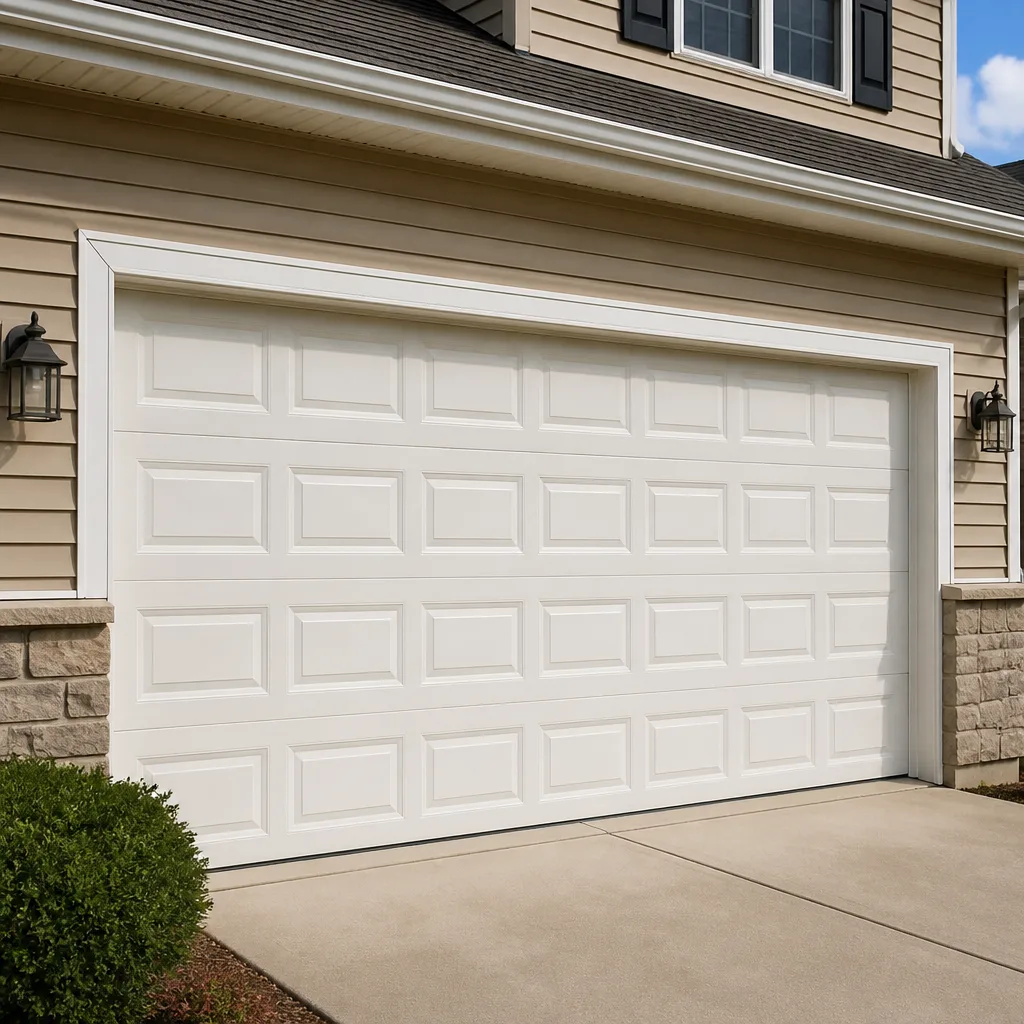 Raised-panel steel
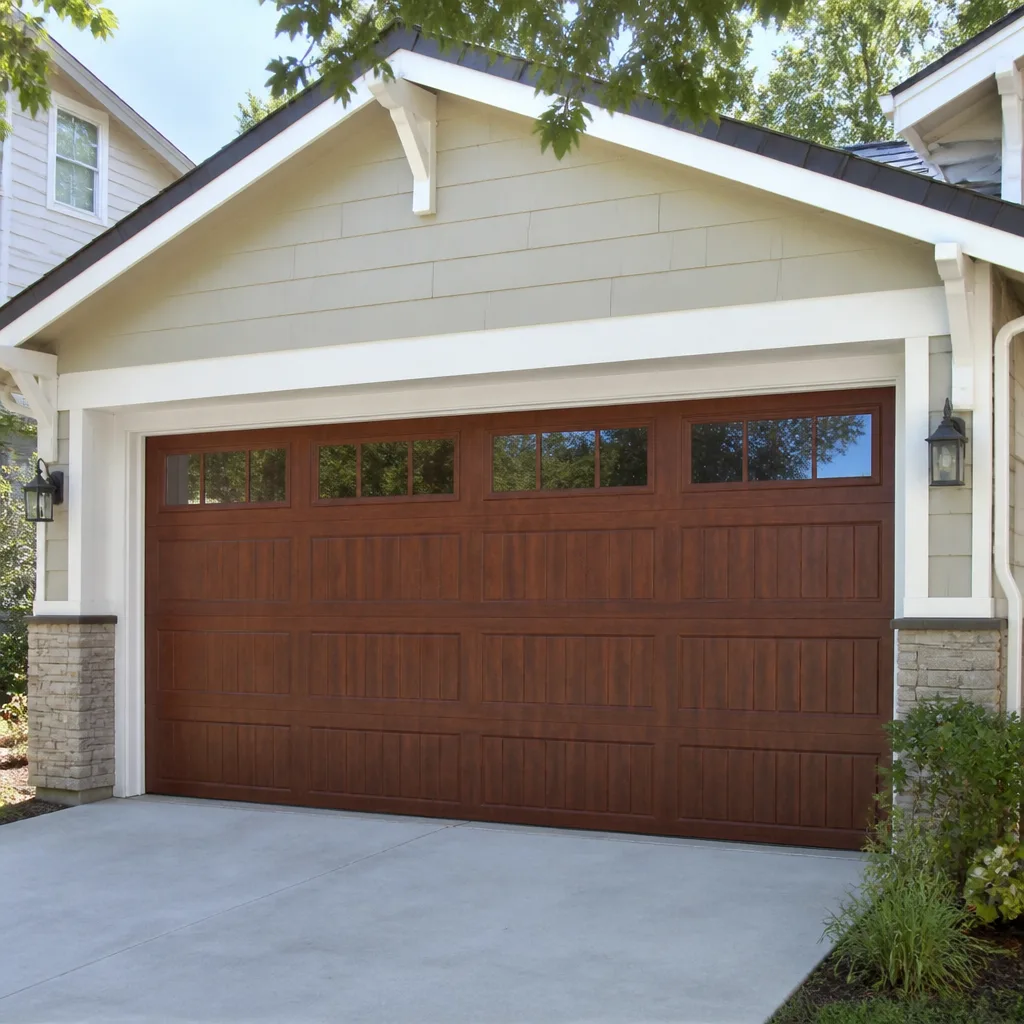
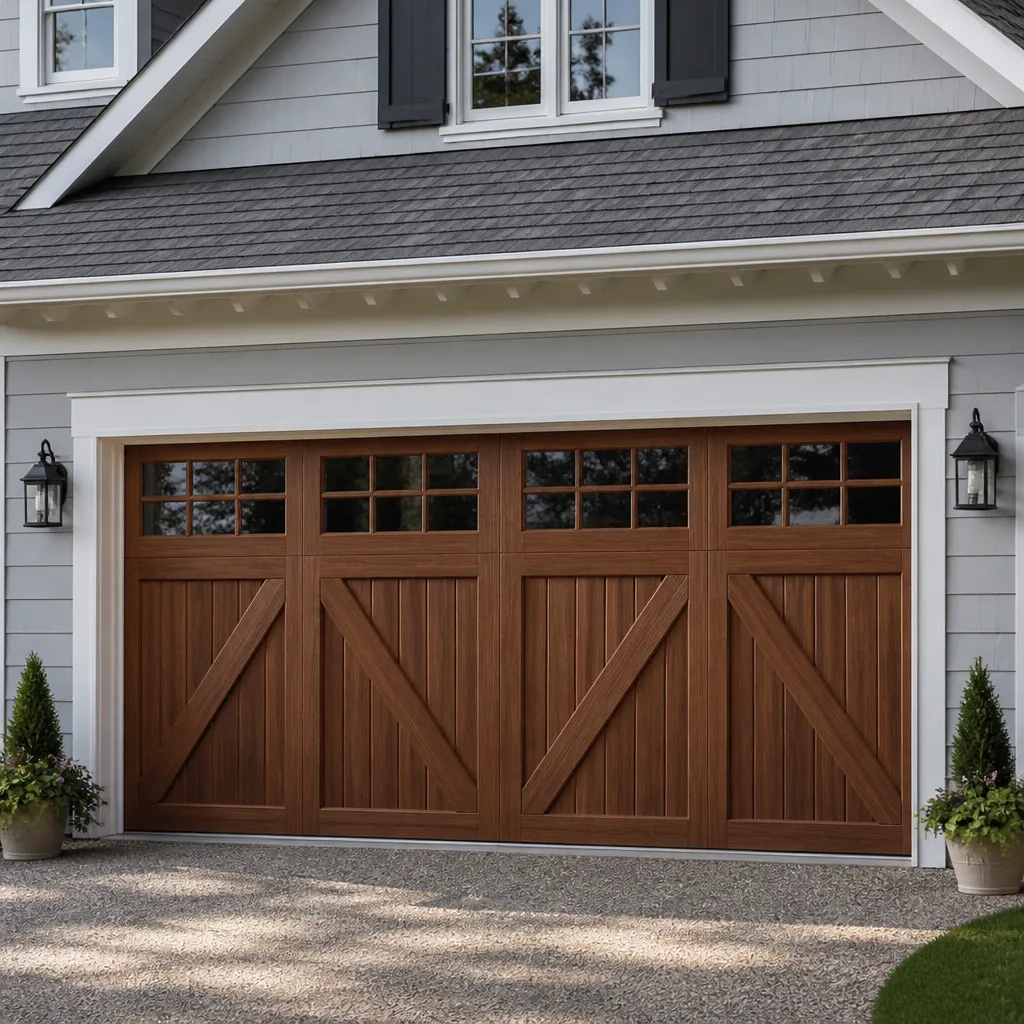 Carriage house
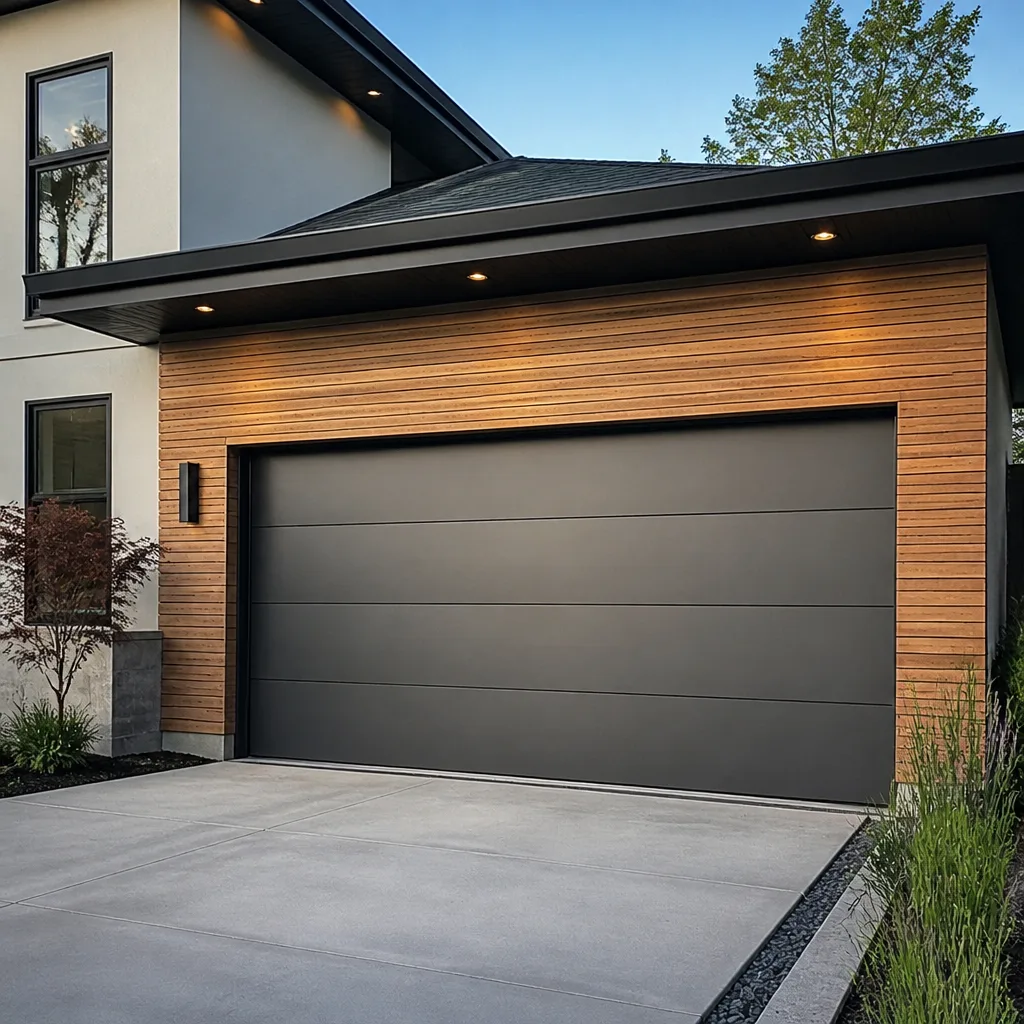 Modern flush
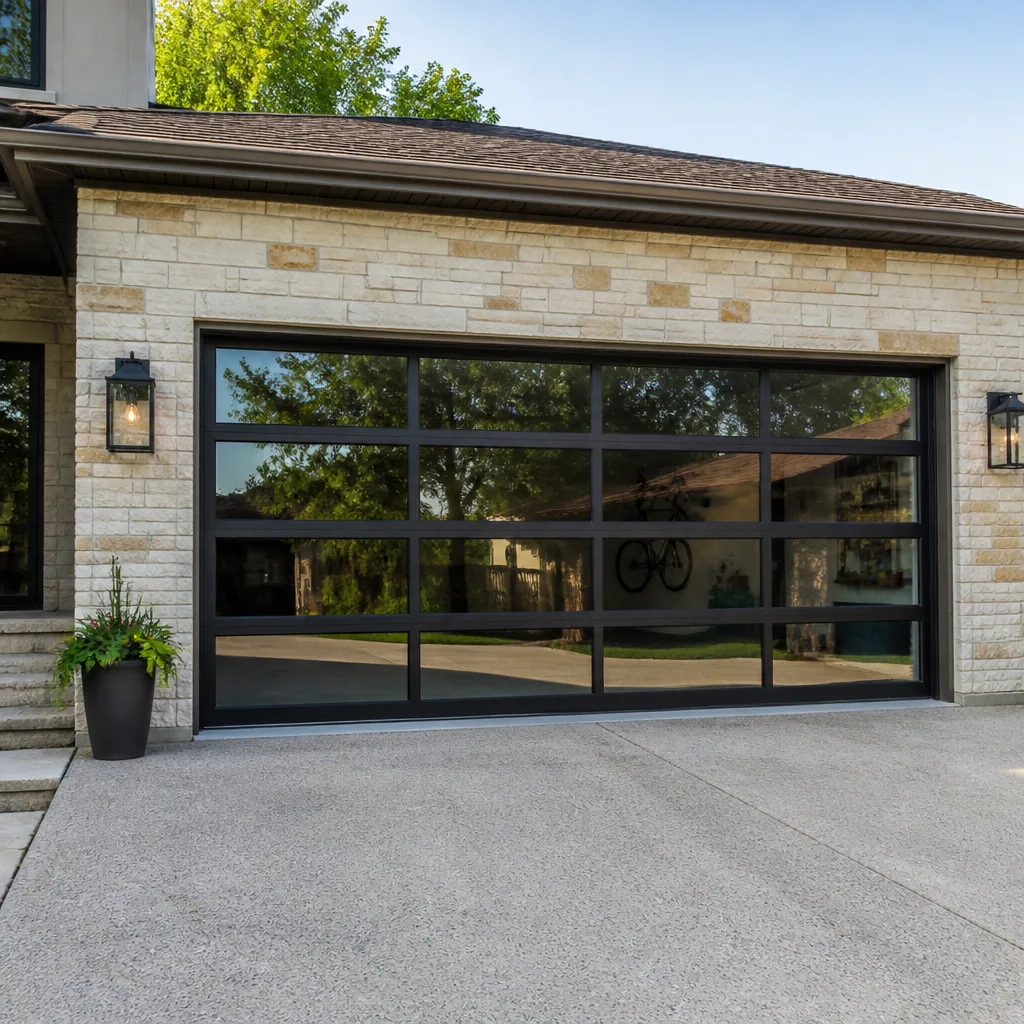 Full-view glass
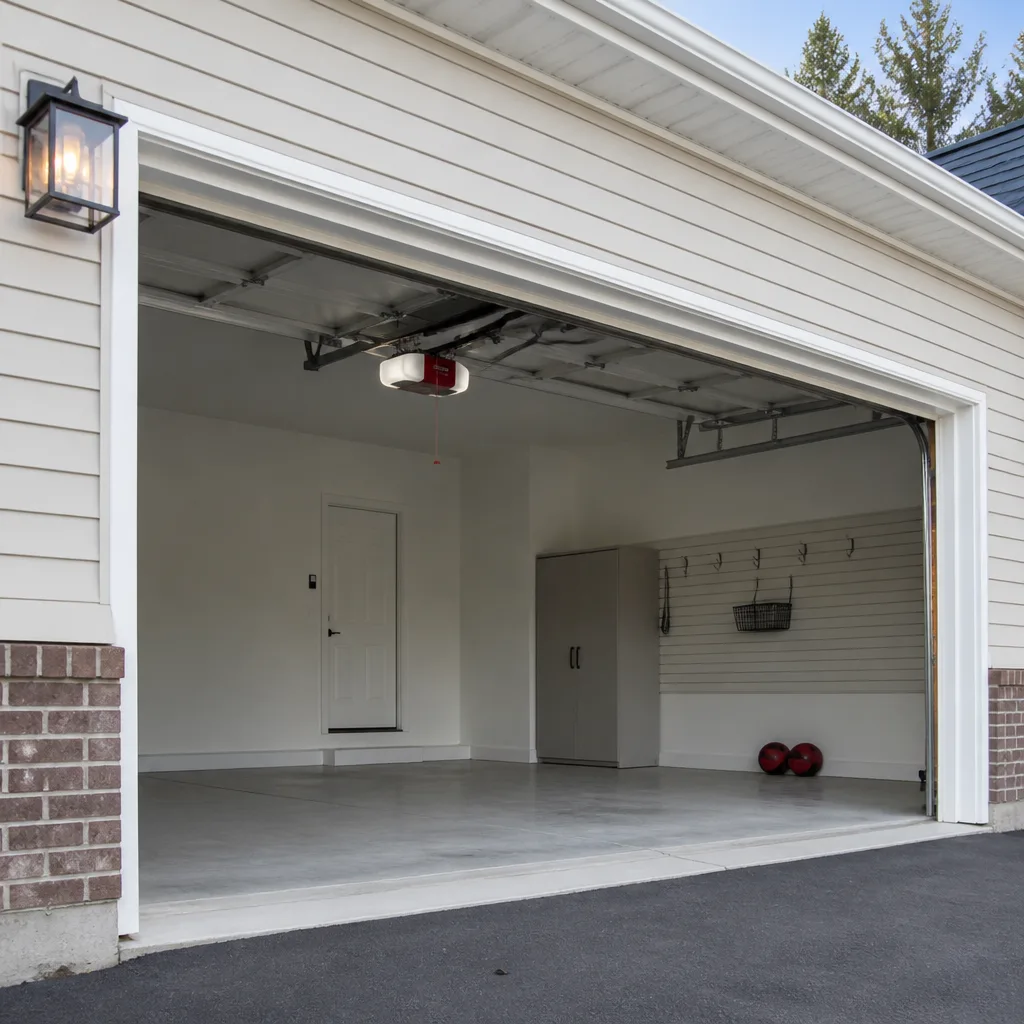 LiftMaster openers
 Chamberlain openers
Full 25-point door and opener safety check with every visit - springs, cables, rollers, tracks, and your LiftMaster or Chamberlain opener included
You get a price before we start. It does not change when the pro arrives.
Get your free estimateGarage Door Repair Maintenance Checklist for Old Northeast Homeowners
Most garage door maintenance advice you’ll find online was written for a dry climate. “Lubricate once a year and you’re fine” is the standard line, and in Phoenix or Denver it mostly holds up. Old Northeast is a different story. The same humidity and salt air that make the neighborhood feel lush and leafy are quietly working on the steel inside your garage, and a torsion spring that would last years inland can corrode far sooner here. This guide walks you through a maintenance checklist built for that reality, from what to check every month to the one safety test most homeowners never run.
Quick Answer
A garage door maintenance checklist for Old Northeast homeowners should combine monthly visual checks (seals, springs, hardware), quarterly lubrication and balance tests on a schedule weighted for humidity, and an annual safety and opener inspection. In this climate, rust and seal degradation show up faster than manufacturer replacement intervals assume, so the safe-autoreverse test and a monthly visual spring inspection matter more than the generic yearly-lube routine.
Styles & brands we work with
- Raised-panel steel
- Carriage house
- Modern flush
- Full-view glass
- LiftMaster openers
- Chamberlain openers
Table of Contents
- Why Old Northeast Doors Age Differently
- The Monthly Checklist
- The Quarterly Checklist
- The Annual Checklist
- How to Inspect Torsion Springs Without Touching Them
- Weather Seal Degradation: Florida Heat vs. What Manufacturers Assume
- Opener Sensitivity and the 2×4 Test Most Homeowners Skip
- Which Tasks Extend Lifespan (and Which Are Busywork)
- Common Mistakes to Avoid
- When to Call a Professional
- Frequently Asked Questions
Why Old Northeast Doors Age Differently
Walk any of the shaded streets around Coffee Pot Bayou and you’ll pass garage doors that look fine from the curb but are quietly corroding on the inside. That’s the pattern we’ve learned to expect in Old Northeast. The coastal humidity here rarely gets a break, and moisture hangs in the air long enough to attack bare steel. A torsion spring, which is under constant tension and constantly working, doesn’t get the dry-out periods it would in a northern state where cold winters and dry summers interrupt the corrosion cycle.
The result is a failure sequence that’s roughly reversed from what generic maintenance guides assume. Inland and northern doors usually wear out mechanically first: the opener gets tired, rollers flatten, tracks drift. In Old Northeast, corrosion often gets there ahead of mechanical wear, especially on the springs, hinges, and any exposed fasteners. A door that opens smoothly can still be a door whose spring is pitting.
That shift matters because it changes what “maintenance” should focus on. Instead of just lubricating moving parts, an Old Northeast checklist has to lean harder into inspecting and slowing corrosion. We’ve worked with Clopay and Amarr systems here long enough to see the difference between a door that’s been maintained for humidity and one that’s been maintained for a dry climate. The hardware tells the story.
The Monthly Checklist
Once a month, spend five minutes on a visual pass. You’re not fixing anything yet. You’re looking for changes. Do this with the door closed first, then a second look with it open.
- Look at the springs. Stand back and scan both torsion springs (the horizontal coil above the door) for reddish-brown or white chalky patches. Don’t touch them. More on the specific markers below.
- Check the weather seal along the floor. Look for flattening, gaps, or a brittle, cracked surface. If light shows under the closed door, the seal needs attention.
- Scan the hinges and rollers. Look for rust bloom on the metal, especially on doors facing the stronger afternoon sun.
- Listen on the way up and down. A healthy door is quiet. Squeals, pops, or grinding means something has changed since last month.
- Check the balance one time. Lift the door partway by hand (door in manual mode, opener disengaged) and let go. It should hold roughly where you left it. A door that falls or rises on its own has a spring or tension issue.
- Look at the tracks. Glance for dents, dirt buildup, or anything that looks like it’s drifted out of alignment.
Monthly checks are short, but they’re how you catch a problem while it’s still small. In Old Northeast’s humidity, a spot of rust on a hinge today is a seized hinge in a few months if nothing’s done about it. For opener-specific quirks like delayed response or reversing for no reason, a dedicated garage door opener repair check is worth scheduling sooner rather than later.
The Quarterly Checklist
Every three months, add lubrication, a fuller balance test, and a closer look at the door’s surfaces. This is where Old Northeast’s climate changes the standard advice. Most manufacturer guides suggest a once-a-year lube. In our experience, humidity here pushes that to roughly once a quarter for the parts that see the most moisture.
- Lubricate hinges, rollers, and the torsion spring end bearings with a dedicated garage door lubricant, not WD-40 or cooking oil. Spray the hinge joints and roller stems, then wipe off excess so dust doesn’t collect.
- Test the balance more thoroughly. Raise and lower the door by hand through the full range. It should feel smooth with roughly even effort. Any spot that feels heavier or catches means the tracks or springs need a look.
- Wipe down the springs and wipe down any exposed hardware with a dry cloth to remove dust and salt film. Don’t introduce moisture. Just remove what’s sitting on the surface.
- Inspect the seal more carefully for the early signs of Florida heat degradation (detailed below).
- Check the opener’s chain or belt for slack and look at the travel limits. If the door stops short of the floor or creeps too far, the limits need adjusting.
Quarterly maintenance is where the biggest gains come from in Old Northeast. A door serviced on this rhythm spends far less time sitting with moisture on its moving parts, and the hardware stays quieter and lasts longer. If you’d rather have a professional handle the deep checks and the tension adjustment in one visit, that’s a natural fit for a routine garage door repair call.
The Annual Checklist
Once a year, plan a deeper inspection. Some of it you can do yourself, and some of it is better left to a trained technician. Be honest with yourself about which is which.
- Full opener service. This covers gear wear, the logic board, safety sensors, and the auto-reverse test below.
- Spring inspection by a technician. Springs are the most hazardous part of a garage door. Get them looked at on a real schedule.
- Panel and finish inspection. Look closely at any wood or metal panels for bubbling paint, peeling edges, or soft spots. In humidity, finish failure is the first sign of deeper corrosion.
- Hardware fastener check. Loose bolts allow a door to rack, which stresses everything else. A technician will tighten and re-align as needed.
- Track alignment check. Confirm the tracks are square and true.
- Update the opener’s force settings only if a technician has confirmed the door is balanced. Changing force on an unbalanced door masks a problem.
An annual professional service in Old Northeast catches the things that a monthly visual pass can’t, like a spring that’s corroding from the inside or a roller that’s grinding down its shaft. For a door that’s older and may be ready for replacement, an annual visit is a good chance to talk about whether garage door installation makes more sense than continued repairs.
How to Inspect Torsion Springs Without Touching Them
Torsion springs hold enormous stored energy. Even a technician treats them with respect. The safe way for a homeowner to inspect a spring is purely visual, from a reasonable distance, with nothing in your hands. Here’s what to look for.
- Rust patches or “bloom.” Small reddish-brown or orange areas on the coil. These are the earliest sign of corrosion.
- White or grey powdery spots. This chalky surface is another corrosion marker, especially after humid summer weather.
- A gap or visible separation. If the coil looks like it’s broken anywhere, or you can see daylight through the spring, don’t use the door. That’s a broken spring.
- Sagging or drooping. A healthy torsion spring sits straight above the door. If it dips or the ends look misaligned, get it looked at.
- Screeching on operation. Noise is often a symptom of a dry, straining spring. Stop using it and have it checked.
What you should not do is touch, twist, or manually adjust a torsion spring. That’s true for any homeowner anywhere, and it’s especially true in Old Northeast, where the springs are already under extra stress from climate. If you spot any of the markers above, call us. Spring repair is a named service here for a reason: it’s one of the most dangerous repairs in the trade, and it’s one we do often. Please don’t try to fix it yourself.
Weather Seal Degradation: Florida Heat vs. What Manufacturers Assume
A manufacturer’s replacement interval for a weather seal usually assumes a temperate climate with regular cold and moderate summers. Old Northeast gets the opposite: long stretches of hot, humid weather with intense UV on any door facing afternoon sun. That heat-and-sun combination breaks down the rubber around the bottom of the door faster than the manufacturer’s interval suggests. Expect to look at the seal more often than the brand packaging implies.
Signs the seal is past its prime:
- The rubber feels brittle or crumbly instead of flexible.
- You see cracks, flakes, or chunks missing.
- The door doesn’t seal flush along the floor, letting light or insects in.
- The bottom of the door has water damage from moisture pushing up.
Replacing a seal is one of the cheaper, higher-payoff maintenance jobs in this climate. A worn seal lets humid air and rain under the door, so the inside of your garage and the bottom edge of the door pay the price. We’ve seen doors here where a failed seal over a season set off corrosion across the whole bottom section. Replacing it on the right cycle is far cheaper than repairing the aftermath.
Opener Sensitivity and the 2×4 Test Most Homeowners Skip
This is the one test that matters most for safety and gets done least. The auto-reverse feature is supposed to be set so the door reverses when it meets resistance. Many homeowners assume it works because the light blinks when they set it. It’s worth actually testing.
- Place a piece of 2×4 lumber on the floor directly under the middle of the closing door.
- Close the door using the wall button. Watch carefully.
- The door should contact the block and reverse direction almost immediately.
- If the door keeps pushing down on the block, or doesn’t reverse at all, the sensitivity setting is out of adjustment, and it needs fixing before anyone uses that door.
- Do the same test with the safety sensors by passing a hand across them while the door is closing. It should reverse.
Do this test once a quarter. In our experience it’s the single most effective maintenance step a homeowner can run, and it takes under a minute. If your opener fails it, or if it’s a Genie unit behaving unpredictably, get a technician to look at it. We work on the brand you have, not just the brand we’d prefer to sell.
Which Tasks Extend Lifespan (and Which Are Busywork)
Not every task on a garage door checklist actually helps. Some are excellent, and some are filler that pros skip.
Tasks that genuinely extend lifespan:
- Quarterly lubrication of hinges, rollers, and spring bearings. This directly reduces wear and slows corrosion.
- The 2×4 auto-reverse test every quarter. It’s safety-critical, and it catches opener problems early.
- Replacing a worn weather seal on the right cycle. Cheap and prevents real damage.
- Annual professional spring and hardware inspection. Catches failures before they happen.
- Regular clearing of the tracks. A clogged track grinds the rollers down fast.
Tasks that are mostly busywork:
- Painting or coating springs. It sounds sensible, but an amateur coating can trap moisture underneath and make corrosion worse. Leave the coating to a technician.
- Lubricating the spring coil itself. The coil doesn’t need oil, and overspray attracts dust. The moving parts around it do.
- Adjusting the opener’s force setting because the door “seems slow.” Force is a symptom-fix, not a maintenance step. If the door is dragging, balance and rollers are the real issue.
- Replacing working rollers just because they’re old. Replace them when they’re worn, not on a calendar.
The pattern is simple. Focus on wear and corrosion and safety. Skip the cosmetic and the guesswork.
Common Mistakes to Avoid
- Following dry-climate advice in a humid climate. The once-a-year lubrication routine was written for inland areas. In Old Northeast, plan for quarterly.
- Touching the torsion spring. It’s dangerous on any door and especially on a corroded one. Don’t dig at rust or try to adjust tension. Look, don’t touch.
- Skipping the auto-reverse test. A door that fails to reverse is a safety problem, not a quirk. Test it quarterly.
- Using the wrong lubricant. Cooking oil, WD-40, and grease attract dust and gum up the tracks. Use a proper garage door lubricant.
- Ignoring a failing seal during the hot months. Heat speeds up seal breakdown here, so waiting “one more season” tends to cost more.
- Assuming a smooth-running door is a healthy door. Corrosion on the springs can progress while the door still opens normally. Look, don’t wait for it to fail.
- Letting the opener’s safety sensors get dusty or misaligned. In a humid climate, sediment builds up on the lenses. Wipe them off as part of the monthly check.
When to Call a Professional
Call in a technician when you spot corrosion on the springs, when a door won’t balance, when the opener fails the 2×4 test, or when you hear new loud noises coming from the door. Any of those tells us something is working outside its safe range and needs hands-on attention. Spring work, in particular, is not a homeowner job. If you’re in Old Northeast, we connect you with a licensed local pro who is insured as the state requires. Garage Door Repair Old Northeast offers free estimates in Old Northeast – call (877) 492-1990, and we’ll set up a visit that ends with a written price. Technician experience runs up to 9 years, and they’re familiar with the systems most homes here actually have, including Clopay, Amarr, Wayne Dalton, and Genie equipment.
Frequently Asked Questions
About once a quarter rather than once a year. The humidity here means moving parts get less dry-out time than in a dry climate, so a quarterly lube of hinges, rollers, and spring bearings keeps things quieter and slows corrosion. The opener’s moving parts need the same attention. Call (877) 492-1990 for a free estimate if you’d prefer a technician to handle the full service.
Look for reddish-brown rust patches, white or grey chalky spots, or a spring that sags or looks uneven. Inspect from a distance and never touch the spring. If you see any of those signs, stop using the door and have it looked at right away. That’s a call to a professional, not a DIY fix. Estimates are free.
Yes, and you should test it every quarter. Place a piece of 2×4 under the door, close it, and confirm it reverses when it contacts the block. If it doesn’t, the sensitivity setting needs adjusting. Get it fixed before anyone uses the door. Call (877) 492-1990 for a free estimate.
Check it quarterly and replace it whenever it feels brittle, cracks, or stops sealing. Here the sun and heat break seals down faster than manufacturer intervals assume. A worn seal lets moisture under the door and starts corrosion at the bottom edge. Replacing it on schedule is cheap compared to the damage it prevents.
Skip painting or coating the springs yourself, oiling the spring coil, and adjusting the opener’s force setting just because the door feels slow. Focus on lubrication, the auto-reverse test, and visual spring inspection instead. Those are the tasks that actually extend the life of your door. Everything else is a professional’s call.
Yes. Torsion springs hold enormous stored energy, and a corroded spring can release it without warning. This is one of the most hazardous repairs in the trade, and it’s a named service here because we do it often. Please don’t take it on yourself. Call (877) 492-1990 for a free estimate, and we’ll handle it safely.
The Bottom Line
A maintenance checklist for Old Northeast should look different from one for a dry climate, because the failure sequence here is driven by humidity and salt air. Focus on quarterly lubrication, a monthly visual spring inspection, the 2×4 auto-reverse test every quarter, and a proactive seal replacement. Skip the busywork like painting springs or chasing the opener’s force setting. If you keep those priorities straight, your door will last longer and fail less often. When something’s outside what you can safely check, call for a professional and let the technician put it on a schedule.
Ready to get your door on a proper maintenance schedule? Garage Door Repair Old Northeast covers repair, opener service, spring replacement, and installation for the brands you already own. Call (877) 492-1990 for a free estimate and a written price before any work starts.
Written by the team at Garage Door Repair Old Northeast.
See the difference
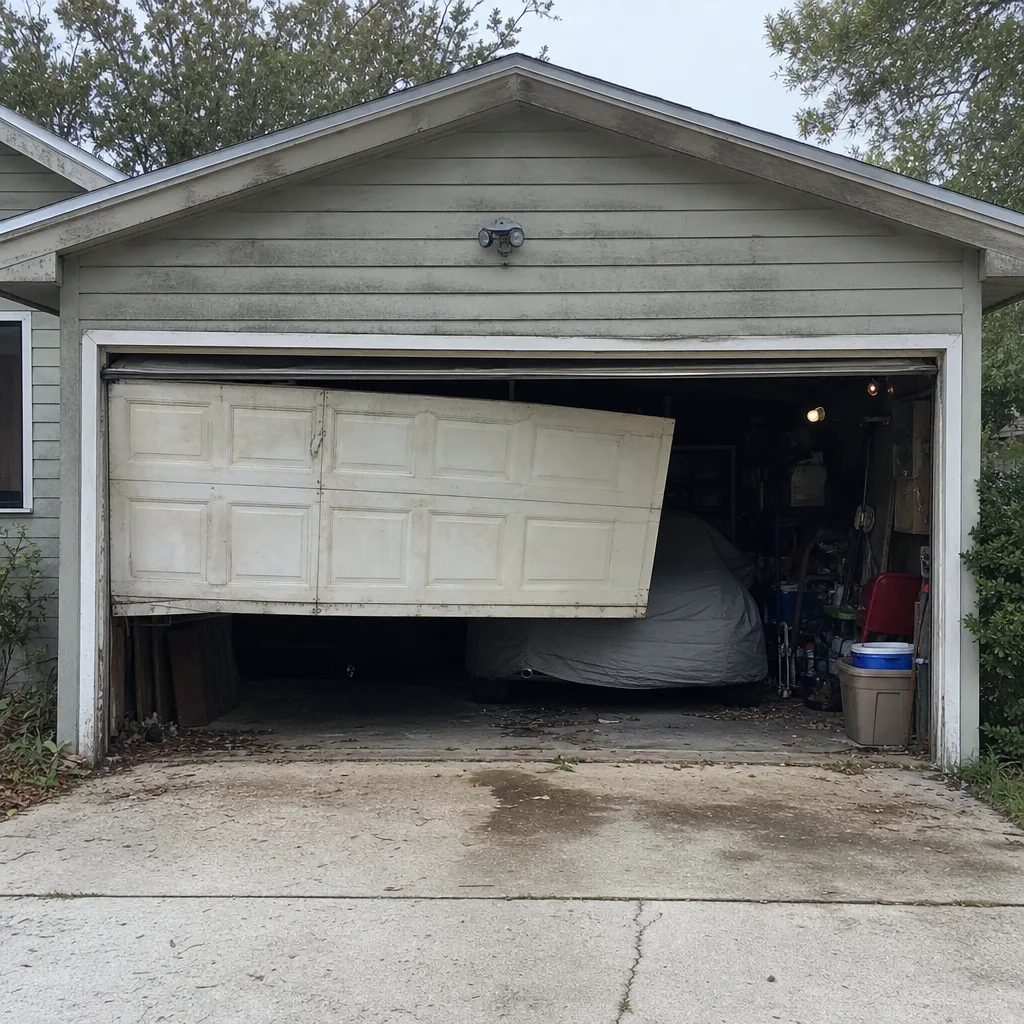 Before
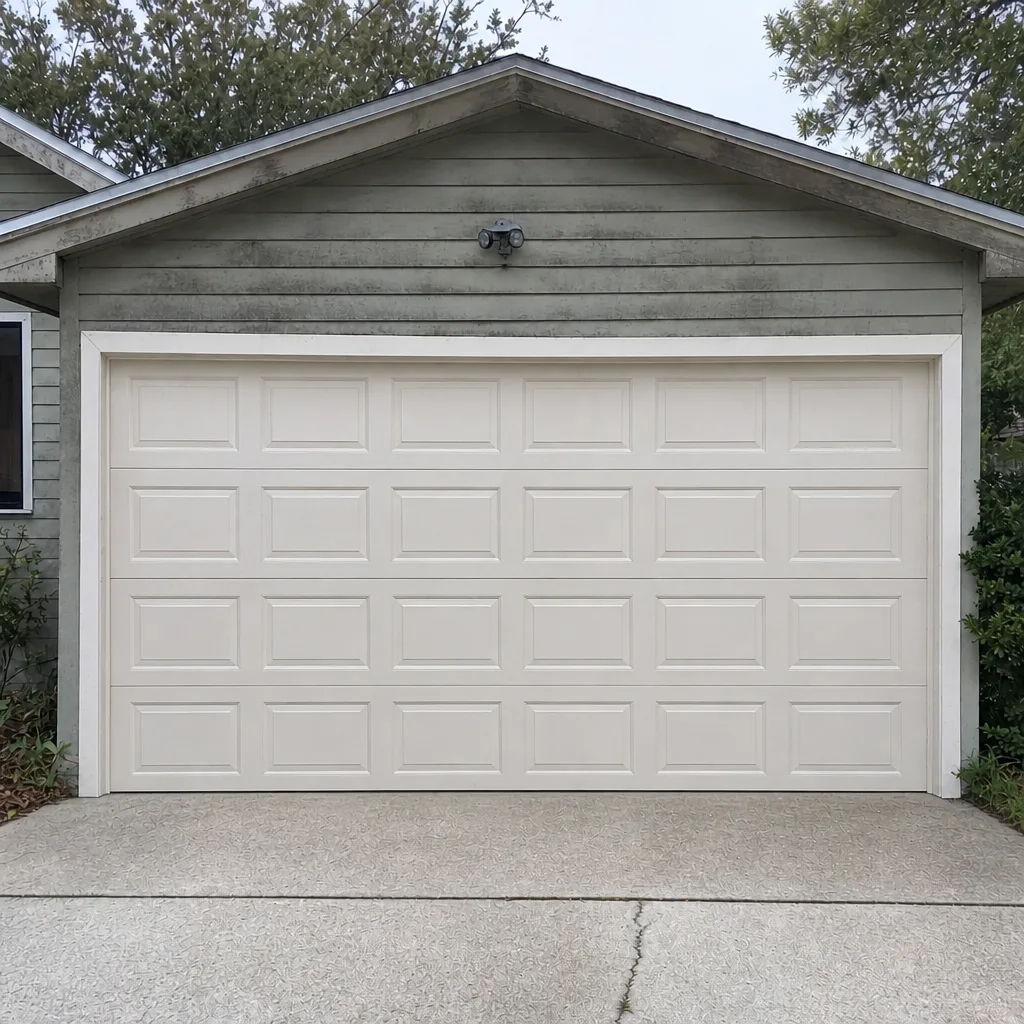 After
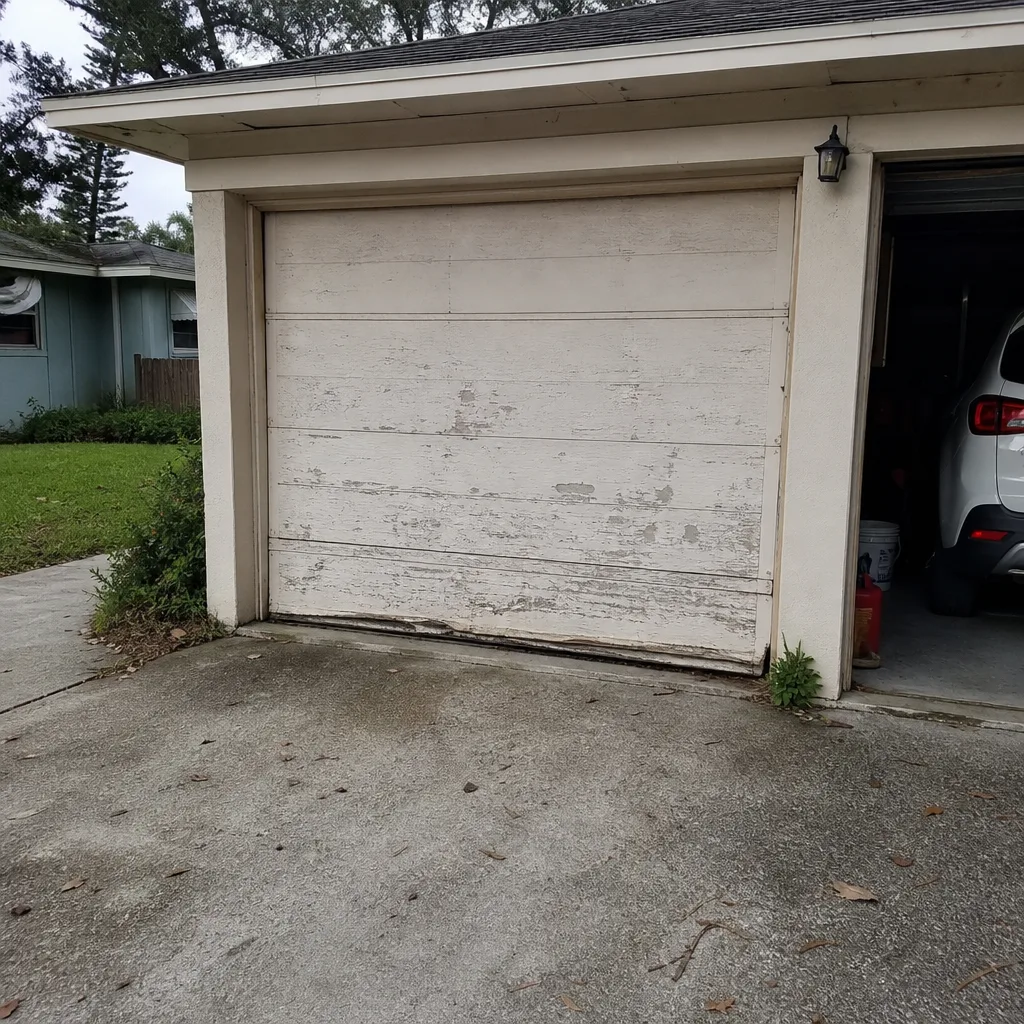 Before
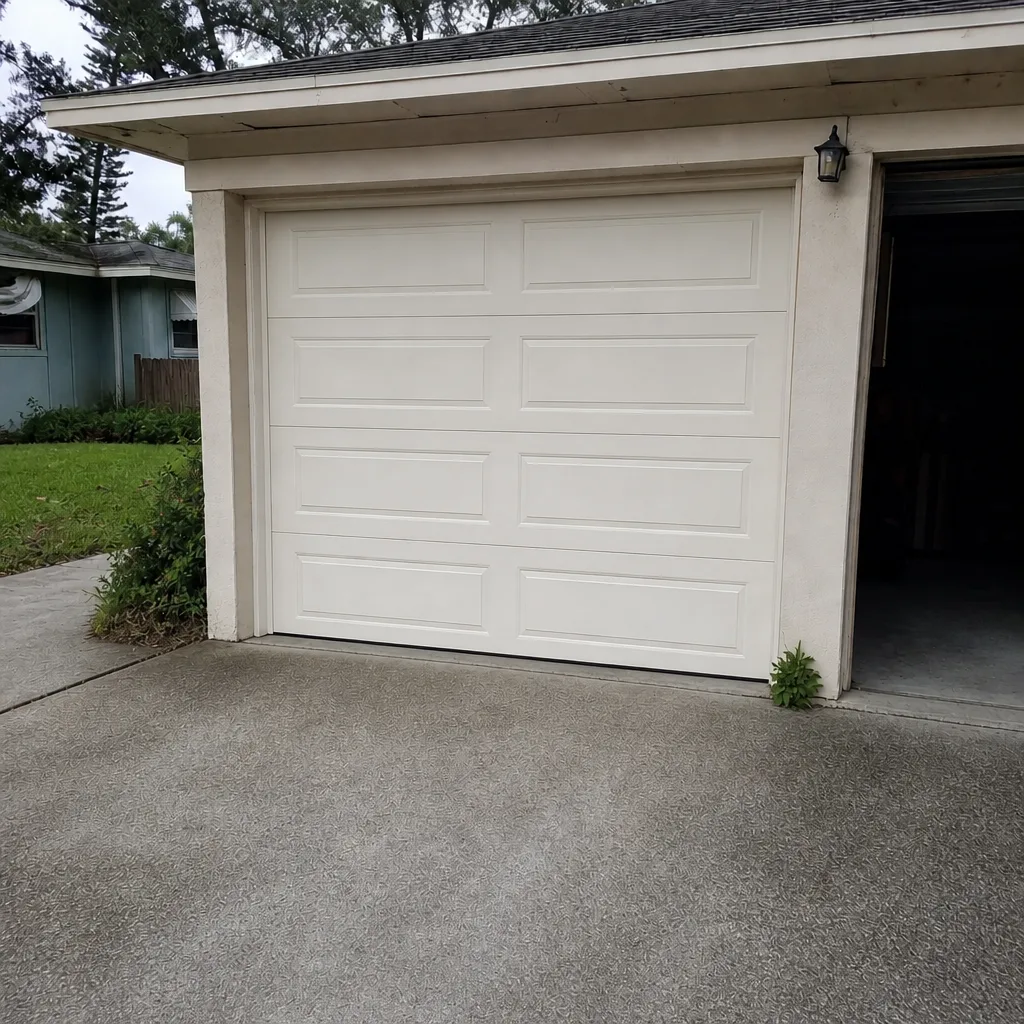 After
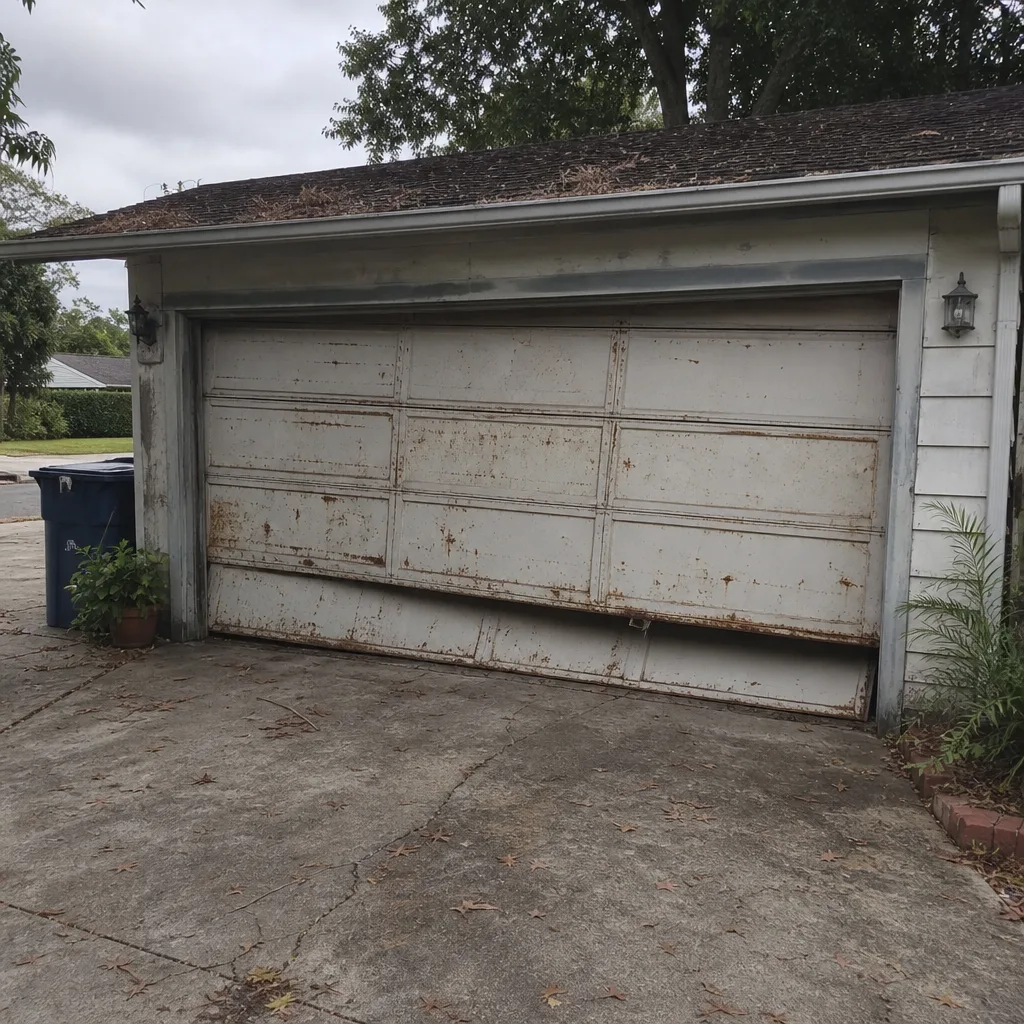 Before
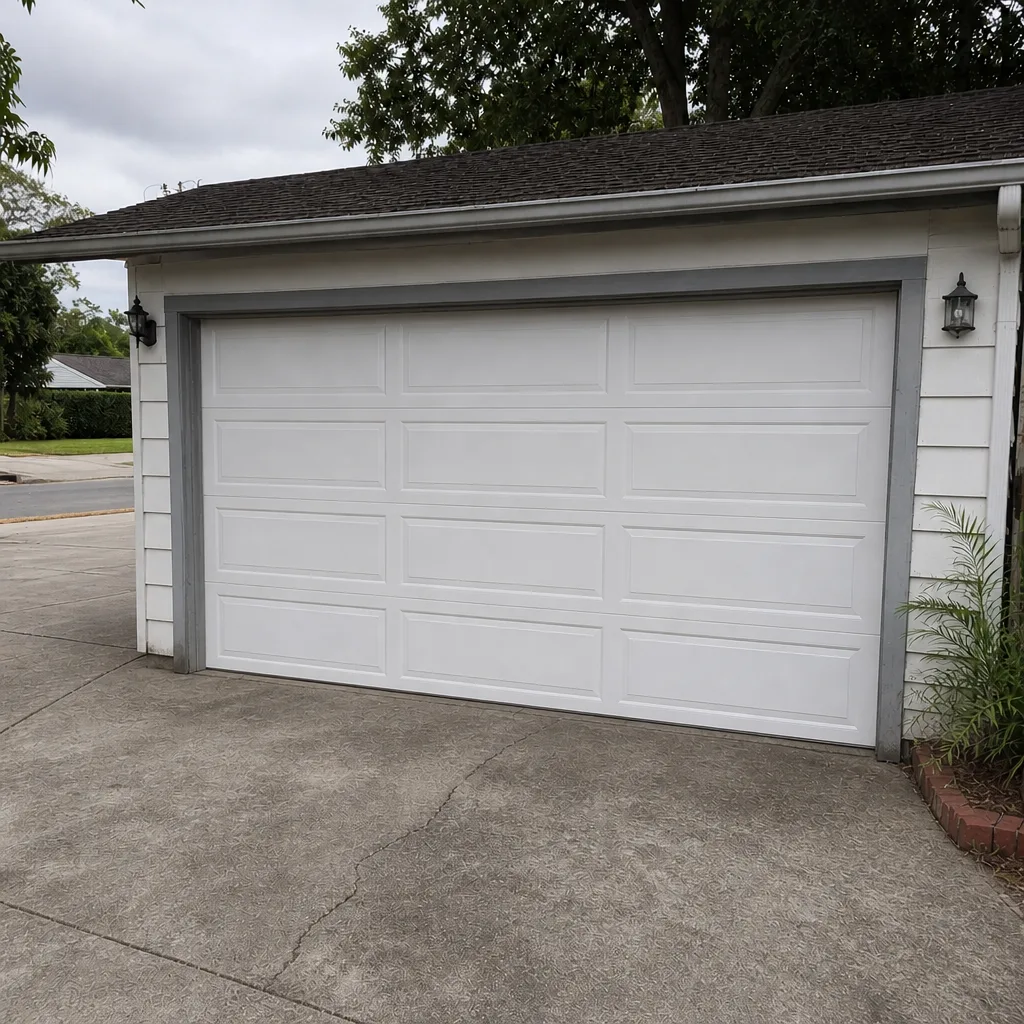 After