Last updated November 22, 2026
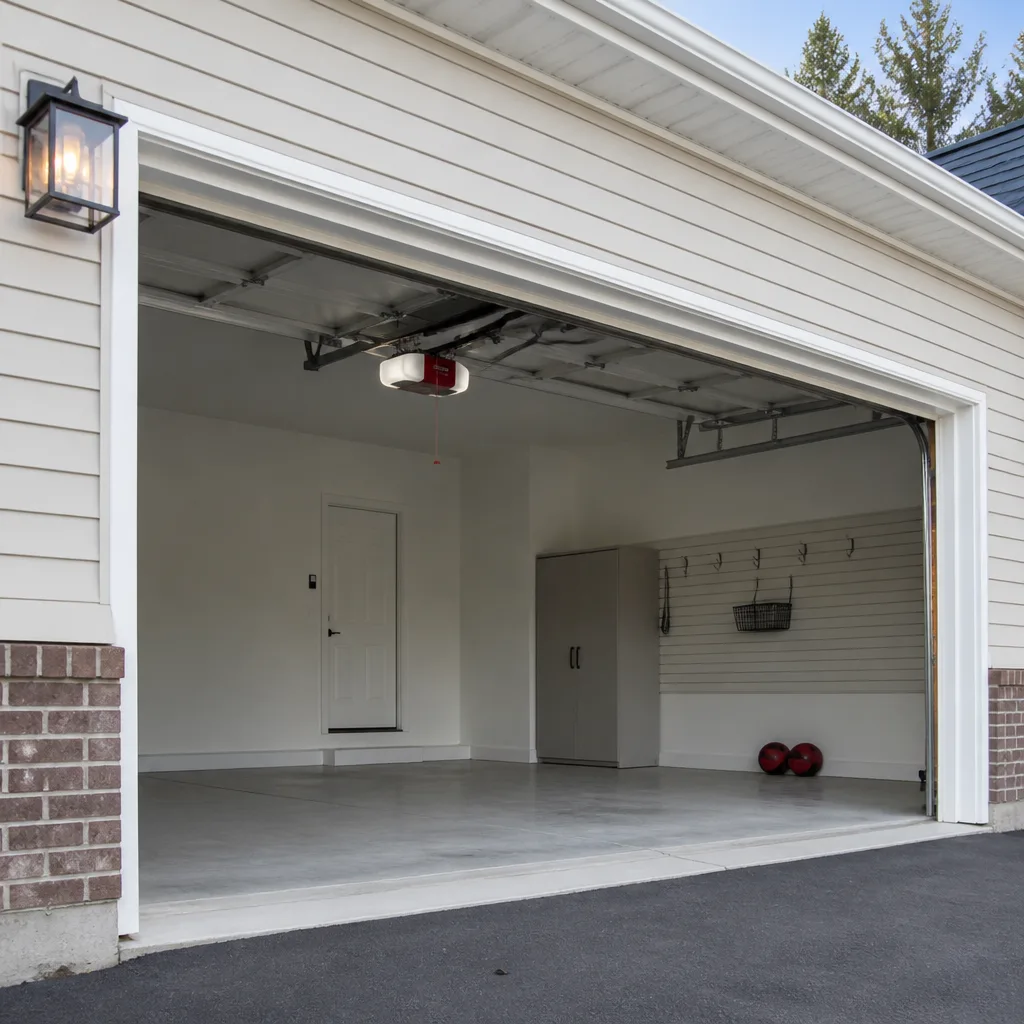
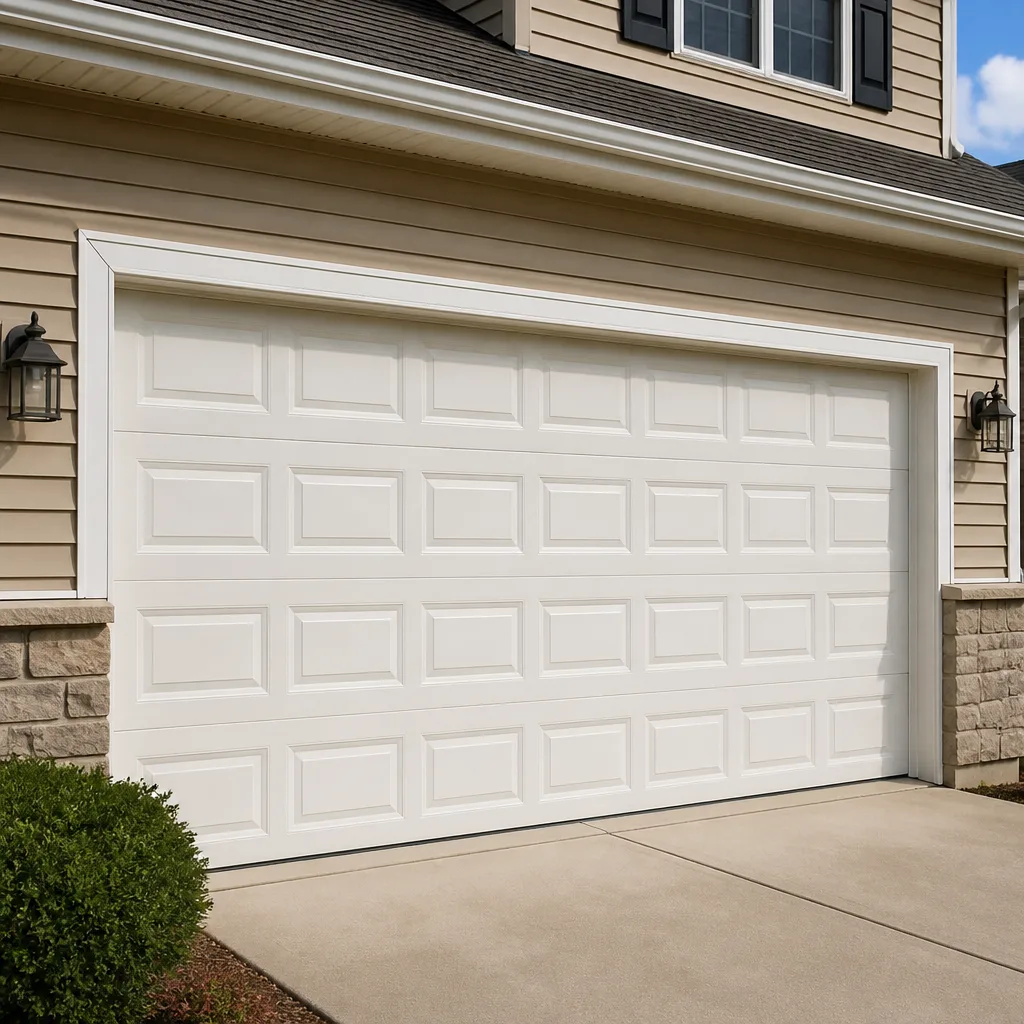 Raised-panel steel
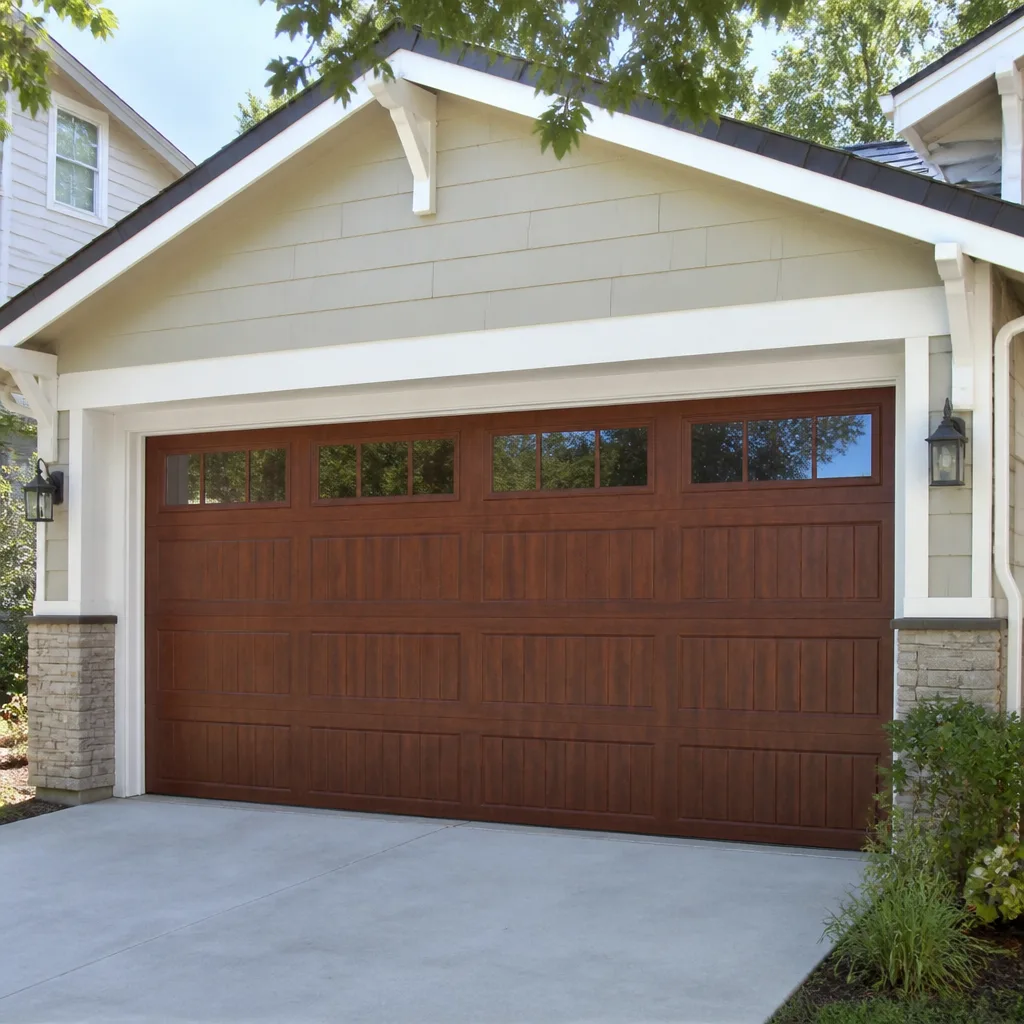
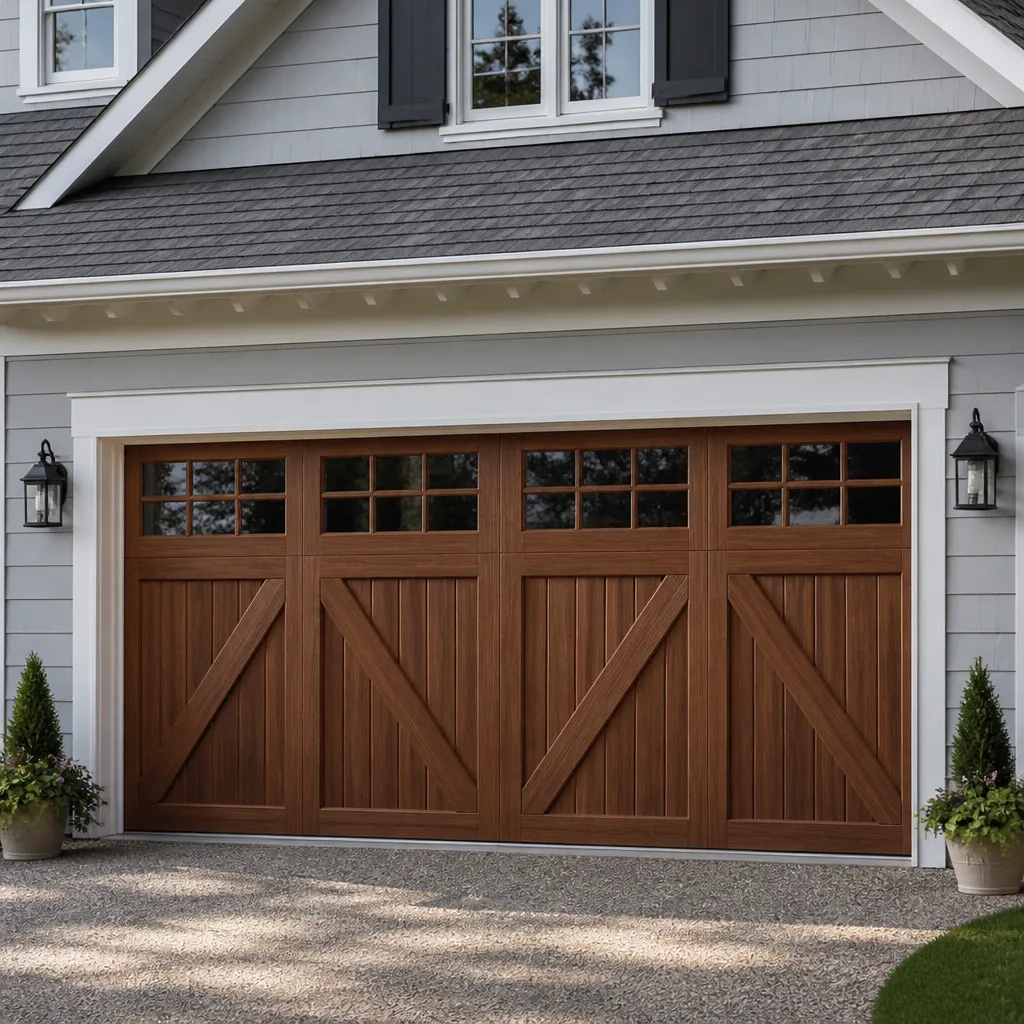 Carriage house
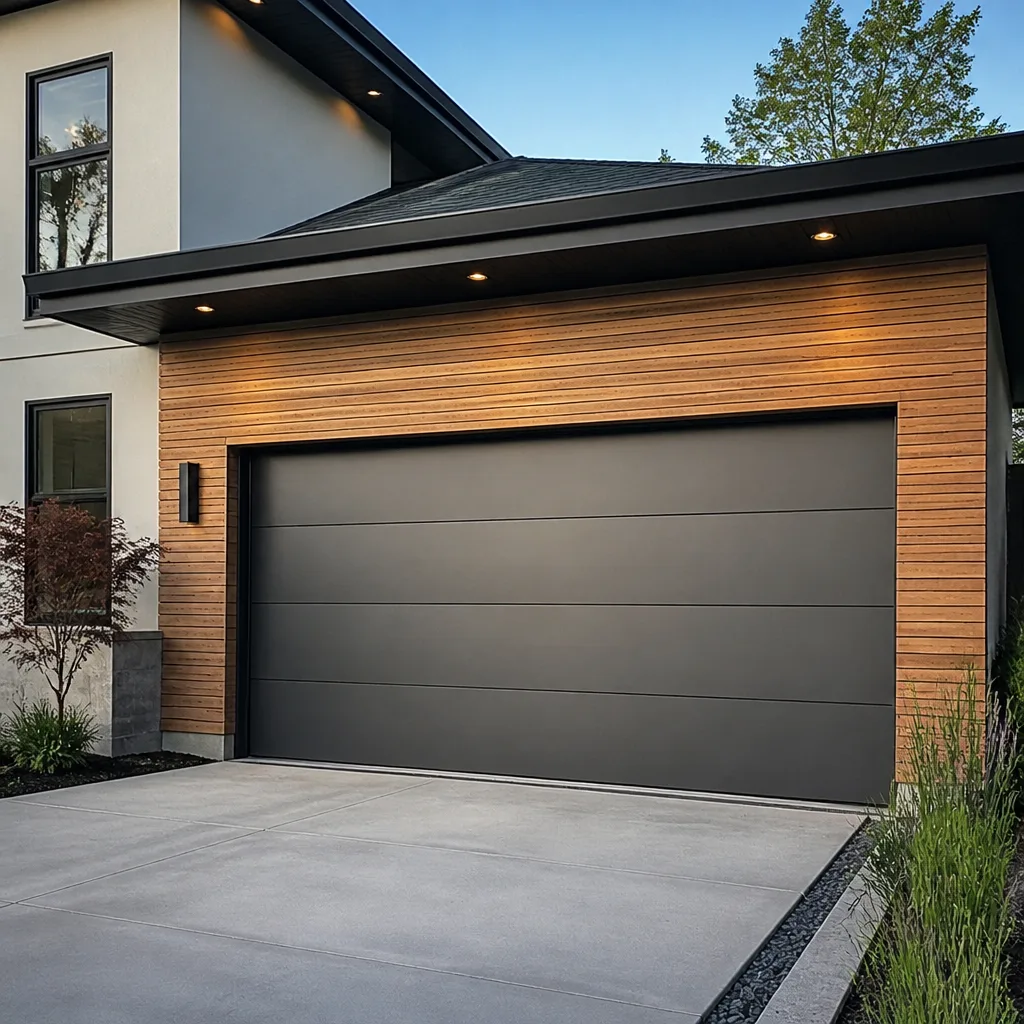 Modern flush
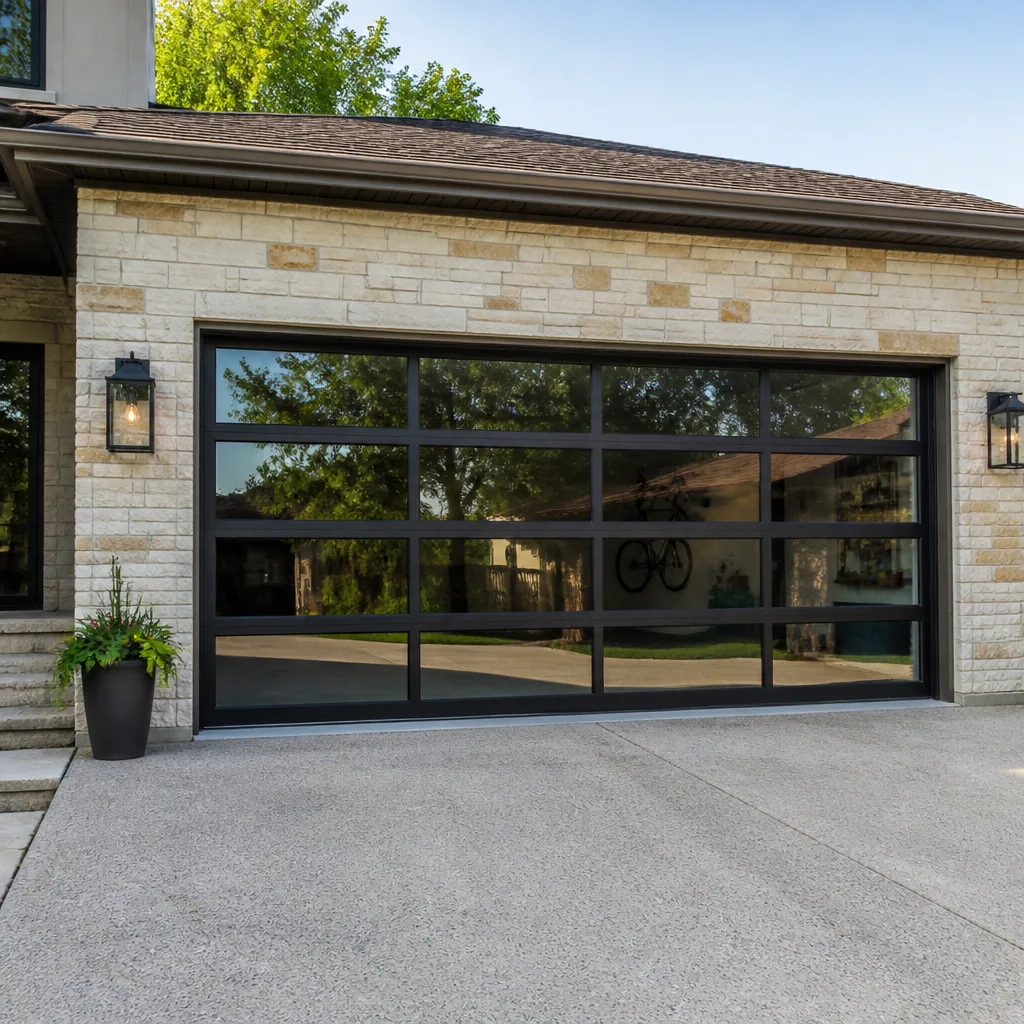 Full-view glass
 LiftMaster openers
 Chamberlain openers
Full 25-point door and opener safety check with every visit - springs, cables, rollers, tracks, and your LiftMaster or Chamberlain opener included
You get a price before we start. It does not change when the pro arrives.
Get your free estimateGarage Door Repair Troubleshooting in Old Northeast: Common Problems and How to Fix Them
Most garage door injuries don’t come from broken springs. They come from a homeowner who guessed wrong about what was broken and put a wrench on the wrong part. The symptom you’re hearing, seeing, or fighting is the first clue, and it points to one of six failure categories. Get the category right and half the fixes are ten minutes of adjustment. Get it wrong and you’re pulling against 200-plus pounds of stored torsion energy with your fingers in the wrong place. This guide is a symptom-first diagnostic walk-through built for the hardware we actually see in Old Northeast homes: humidity-weathered wood frames, aluminum track that’s seen too many summer thunderstorms, and openers from Craftsman, LiftMaster and the rest that just need a limit switch reset.
Quick Answer
Most garage door problems in Old Northeast fall into six categories: unusual noise, slow or sluggish movement, partial opening, a door that won’t close, remote or opener failure, and coming off track. You can safely diagnose most of them yourself by pulling the manual release and testing the door by hand. Any symptom that involves a snapped spring, a sagging door, a frayed cable, or a door hanging off its track is a stop-and-call situation, not a DIY repair. Our technicians have up to 9 years of experience and can walk you through the diagnosis over the phone.
Styles & brands we work with
- Raised-panel steel
- Carriage house
- Modern flush
- Full-view glass
- LiftMaster openers
- Chamberlain openers
Table of Contents
- The Six Failure Categories in Old Northeast Doors
- The Manual Override Test: Opener Fault vs. Mechanical Fault
- Stop-Here Thresholds: When DIY Becomes Dangerous
- Florida Humidity: Track Corrosion and Swollen Wood Frames
- Storm-Mode Locks and Power-Surge Recovery
- The Decision Tree: What to Do Right Now
- Common Mistakes to Avoid
- When to Call a Professional
The Six Failure Categories in Old Northeast Doors
Every garage door symptom we’ve been called out to in Old Northeast maps to one of six categories. Knowing which one you’re in narrows the whole diagnosis down to a handful of parts.
- Noise. Grinding, squealing, popping or rattling. Usually rollers, hinges, or dry torsion hardware. Occasionally a bearing plate on its way out.
- Slow movement. The door opens or closes but takes forever or drags. Often a tired opener motor, a failing capacitor, or a spring that’s lost some tension.
- Partial open. The door reverses partway up or stalls at the same height every time. Almost always a travel-limit setting, a binding track, or a spring balance problem.
- Won’t close. The door opens fine but reverses immediately on the way down. Sensor misalignment, obstruction in the eye beam, or a mis-set close limit.
- Remote or opener failure. The wall button works but the remote doesn’t, or neither works. Battery, rolling-code pairing, logic board, or a dead outlet.
- Off-track. The door is crooked, jammed, or one side has jumped the roller. Bent track, broken roller, or a cable off its drum.
In Old Northeast specifically, the category split skews toward number four and number six. The humidity here keeps wood door frames expanding and contracting through the year, which nudges sensor brackets out of alignment and lets aluminum track loosen at the fasteners. We also see a steady stream of Craftsman and Chamberlain openers from the last decade that have simply aged out of reliable limit-switch behavior. Both of those are diagnosed with the door closed, no tools, and five minutes of observation. Both are also the ones most often misidentified by a confident first attempt. If you’re not sure which category you’re in, we’re happy to narrow it down by phone before you touch anything.
The Manual Override Test: Opener Fault vs. Mechanical Fault
Before you call anyone, you need to know whether the problem is in the opener or in the door. There’s a clean, tool-free test that answers that question in under a minute, and it’s the single most useful piece of diagnostic knowledge in this guide.
Here’s how it works:
- Pull the manual release cord (usually red, hanging from the trolley). You should hear a click and feel the trolley disconnect.
- With the door fully closed, lift it by hand to about waist height. Note how much effort it takes.
- Let go at waist height. A properly balanced door should sit still or drift very slowly. If it slams down, the spring has failed.
- Lift it to chest height and let go again. Same rule: it should hold roughly in place.
- Close it by hand and feel for binding, scraping or a catch point at a specific height.
If the door lifts easily by hand and holds its position, but the opener struggles to do the same thing, the opener is the problem. That points to the motor, capacitor, travel limits, or logic board, and it’s a completely different repair than a mechanical fault. If the door is heavy, drifts down, or binds partway, you’ve got a mechanical problem and the opener is only the messenger.
This test is also the reason we ask homeowners to do it before we schedule a call. It saves everyone time, and it lets us quote the right repair over the phone instead of guessing. In Old Northeast homes with older craftsman-style wood doors, the balance test is even more telling because the wood itself absorbs moisture and shifts weight through the year. What feels balanced in summer may feel heavy in a wetter stretch.
Stop-Here Thresholds: When DIY Becomes Dangerous
The torsion spring above your door stores enough energy to break a bone or worse. That’s not a scare tactic – it’s basic physics. Two specific symptoms mean you should put the tools down immediately and call a specialist.
Stop here for any of these:
- A visible gap in the torsion spring, or a spring that looks stretched and separated.
- The door is heavy to lift and drops quickly when you let go at waist height.
- A frayed, kinked, or snapped cable on either side of the door.
- The door hangs crooked, or a roller has left the track.
- You hear a loud pop from above the door and the door stops operating.
- The door falls partway down on its own during operation.
Torsion springs, extension springs, and cables are genuinely hazardous components. The springs are under tension at all times, and the correct repair requires specific winding bars, the right replacement part matched to the door weight, and a controlled process for releasing and re-tensioning. That’s a job for a trained technician, and it’s why we offer spring repair as a standalone service rather than bundling it into general repair work. Cables are equally unforgiving – a snapped cable that’s still under partial tension can whip when touched.
What you can safely do while waiting for a technician is keep the door closed, disconnect the opener, and keep cars and children away from the door. Don’t prop the door open with anything you’d mind replacing. Don’t try to cut a cable or unwind a spring to “make it safe.” The safest state for any door with a broken spring is fully closed, untouched, and locked.
Florida Humidity: Track Corrosion and Swollen Wood Frames
The climate in Old Northeast creates two garage door problems you won’t find described in most generic troubleshooting content, and understanding them makes the difference between a two-minute fix and a wasted weekend.
Aluminum track corrosion and loosening
Aluminum track doesn’t rust the way steel does, but it oxidizes, pits, and loosens at the fasteners when humidity cycles high year-round. What that means in practice: rollers that roll quietly in spring start to bind in late summer as the track surface roughens, and the lag bolts that hold the track to the door frame work themselves loose as the wood around them swells. A daily spray of silicone-based lubricant on the rollers and hinges is the inexpensive habit that prevents most of this. If you’re hearing intermittent grinding, walk the length of both vertical tracks with a flashlight and check every fastener for movement.
Humidity-swollen wood frames and sensor misalignment
Many Old Northeast homes have original wood frame construction around the garage opening, and wood swells and shrinks with the humidity. The result is that the safety sensors at the bottom of the track – which were perfectly aligned last October – are now off by a half inch and the door reverses on close for no visible reason. This is by far the most common “won’t close” call we get. Before you assume the opener has failed, look at the two sensor LEDs. Most brands use a steady green or amber light when aligned and a blinking light when they’re not. If one is blinking, a gentle adjustment of the bracket – not the sensor lens – solves it.
Humidity also affects door balance as wood doors gain and lose weight. A door that worked fine on a dry week can bind partway open on a wet one. And if you have a wood door with an aluminum or steel frame, watch for the two materials expanding at different rates and creating a rub point.
Storm-Mode Locks and Power-Surge Recovery
Summer thunderstorms in Old Northeast produce lightning and, more often, brief power flickers that trip the opener’s logic board without warning. If your door stopped working after a storm, walk through these steps before calling for service:
- Check that the opener is plugged in. Sounds obvious, but a bumped plug is the most common culprit.
- Check the circuit breaker. If the breaker is tripped, reset it once. If it trips again, stop and call an electrician.
- Unplug the opener for thirty seconds, then plug it back in. That hard reset clears most post-surge lockouts.
- Press the wall control button. If the door moves, the opener survived and the issue is the remote or keypad.
- If the wall button doesn’t work, check the safety sensor LEDs. A power surge often resets sensor pairing.
Some openers have a “vacation lock” or “lock” mode that gets engaged accidentally during a power cycle. If the wall button shows an indicator that won’t respond to anything, check the lock button on the wall control and disengage it. On older Craftsman units the lock is a small slider switch on the wall panel. On newer LiftMaster and Chamberlain models it’s a dedicated button.
What about storm-mode lock engagement?
Certain mid-to-high-end openers have a storm-mode or automatic-lock feature that engages a physical bolt when the door closes. After a surge, that bolt can stick in the locked position, and the door won’t open even with power restored. If your door has a physical deadbolt-style lock on the inside track, disengage it manually before trying the opener. If the lock is motorized and the door still won’t move, that’s an opener logic fault and it needs a technician.
Power-surge-related opener failure is common here, and it’s a repair we handle across all the major brands. For anything more involved than a reset, you’ll want garage door opener repair rather than a reset attempt.
The Decision Tree: What to Do Right Now
If you’re standing in front of a door that just did something wrong, follow this decision tree. It’s designed to walk you through the diagnosis in real time and tell you the exact moment to stop and call.
- Is anyone hurt or is the door physically hanging? If yes, keep everyone clear and call for service. Do not touch the door.
- Did you hear a loud pop from above the door? If yes, assume the spring has broken. The door is now unsafe to operate. See the stop-here section above.
- Does the door open and close at all?
- No – jump to the manual override test. If the door is heavy by hand, call. If it’s light, the opener is the issue.
- Yes, but something is wrong – continue to step four.
- What is the symptom?
- Noise – lubricate rollers and hinges. If the noise persists, check for a loose track fastener.
- Slow movement – check door balance with the manual release. If unbalanced, call. If balanced, check the opener’s force settings.
- Partial open – look for a bind point. If the door catches at the same height every time, that’s mechanical.
- Won’t close – check sensor LEDs first, then look for an obstruction.
- Remote failure – replace the battery, then re-pair the remote to the opener.
- Off-track – the door is crooked or a roller is out. Stop and call.
- Did the fix work? If yes, do a full cycle test with the door opening and closing twice. If it works cleanly, you’re done. If not, move to the next step down.
- Is this the second attempt? If you’ve tried the obvious fix and it didn’t stick, don’t keep trying. Call.
This decision tree is the exact logic our technicians use, and it’s the fastest way to get from “my door is doing a thing” to “here’s what’s broken.” We keep it practical for DIY on the low-risk categories and firm on the stop-here ones. If you’re hovering between two categories, calling us costs nothing and a phone diagnosis often saves the trip.
Common Mistakes to Avoid
- Trying to wind a torsion spring without the right tools. Winding bars exist for a reason. A crescent wrench and a pair of vice grips are how people end up in the emergency room. If the spring is broken, call garage door repair and leave the spring to a technician.
- Assuming the opener has failed when the door has. In Old Northeast, we see this constantly – a homeowner replaces an opener that was working fine, when the real problem was a swollen wood frame pushing the door off balance. Run the manual override test first.
- Painting or sealing the track. Track needs to stay bare metal so the rollers can roll. Paint, overspray, or a coat of “protective” sealant causes sticking and increases wear on the rollers.
- Ignoring a half-inch sensor misalignment. The safety sensors aren’t a “sort of working” component. If one is flickering, adjust it now rather than waiting for the door to reverse on a busy morning.
- Adjusting the opener’s force setting to compensate for a binding door. The force setting exists to protect fingers and pets, not to overpower mechanical friction. Raising it to force a binding door closed is how the door eventually comes off track.
- Using WD-40 on the rollers and track. It’s a light solvent that attracts dust and grime. Use a silicone-based lubricant intended for garage doors, or a white lithium grease on the hinges.
- Leaving a broken spring door in the open position. A door with a snapped spring and no support is a door that wants to come down. Close it, lock it, and call.
See the difference
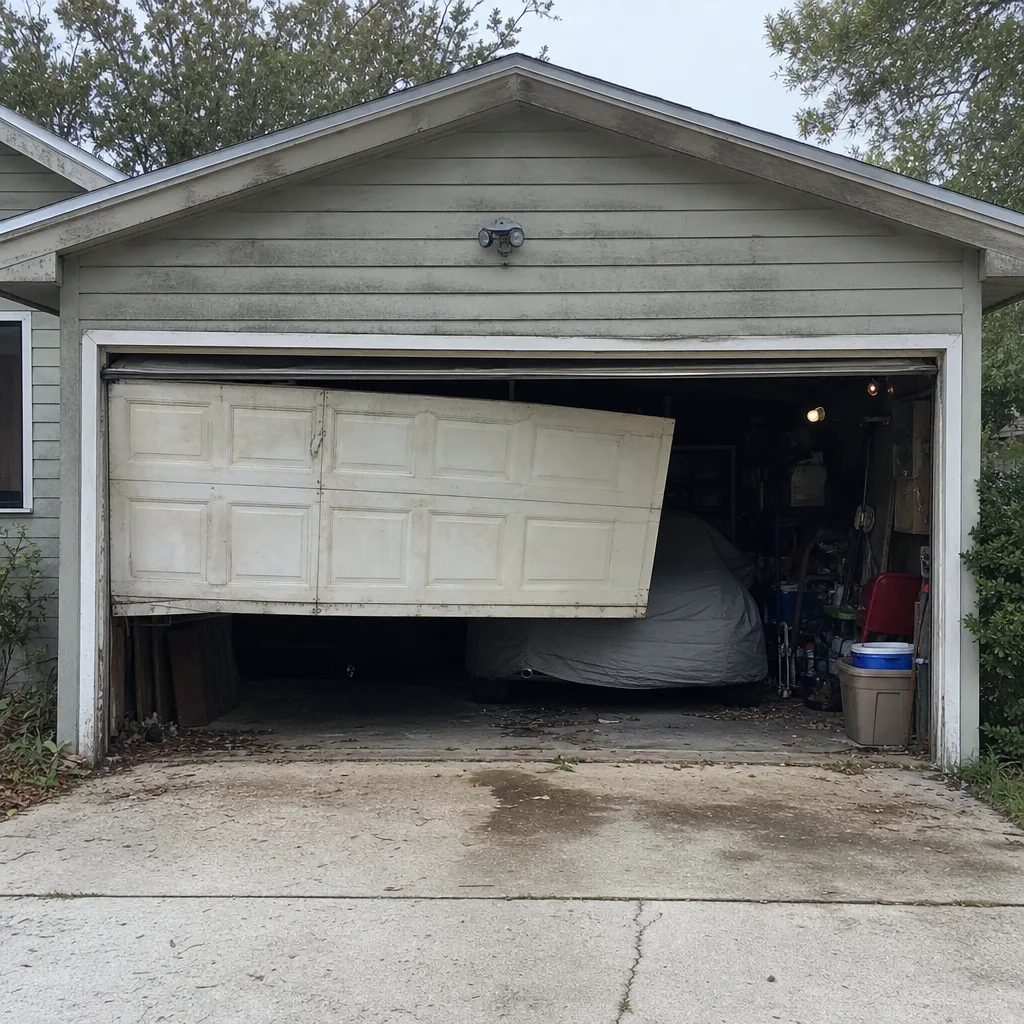 Before
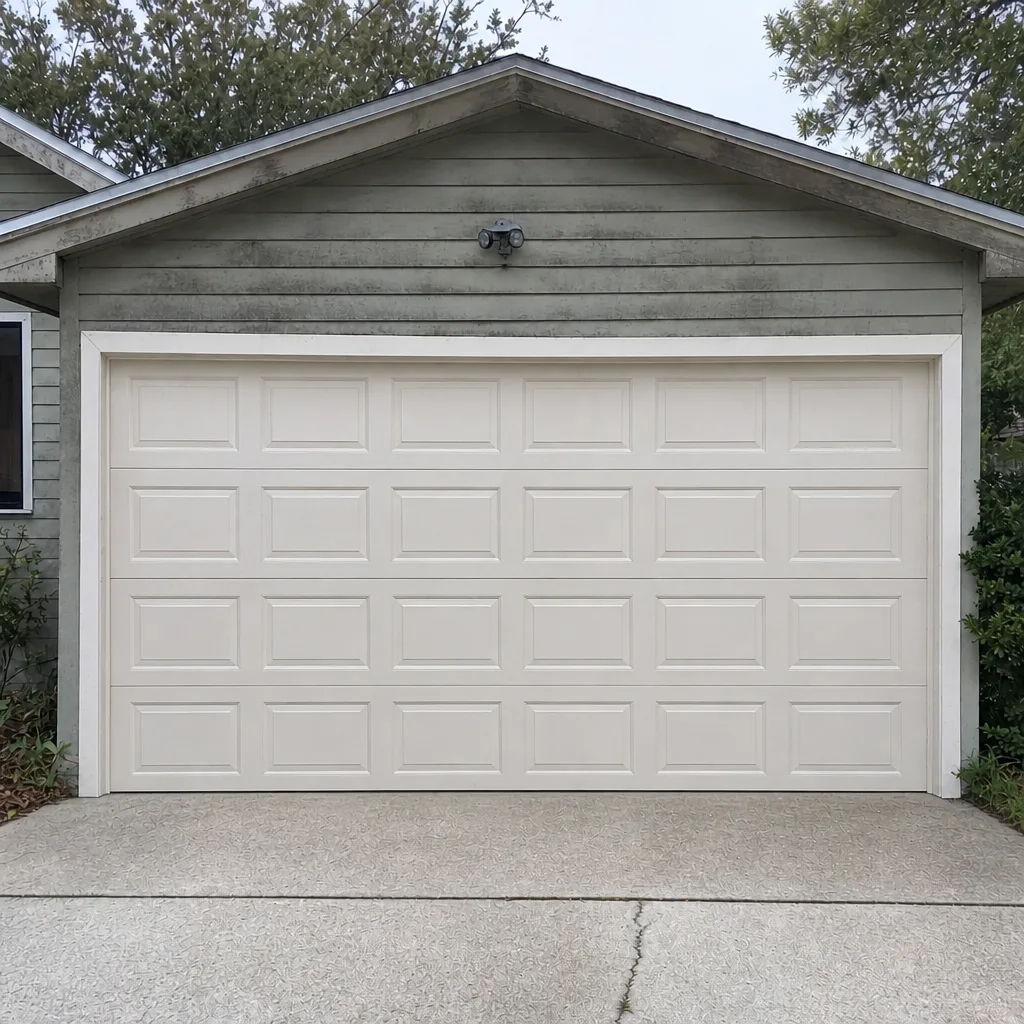 After
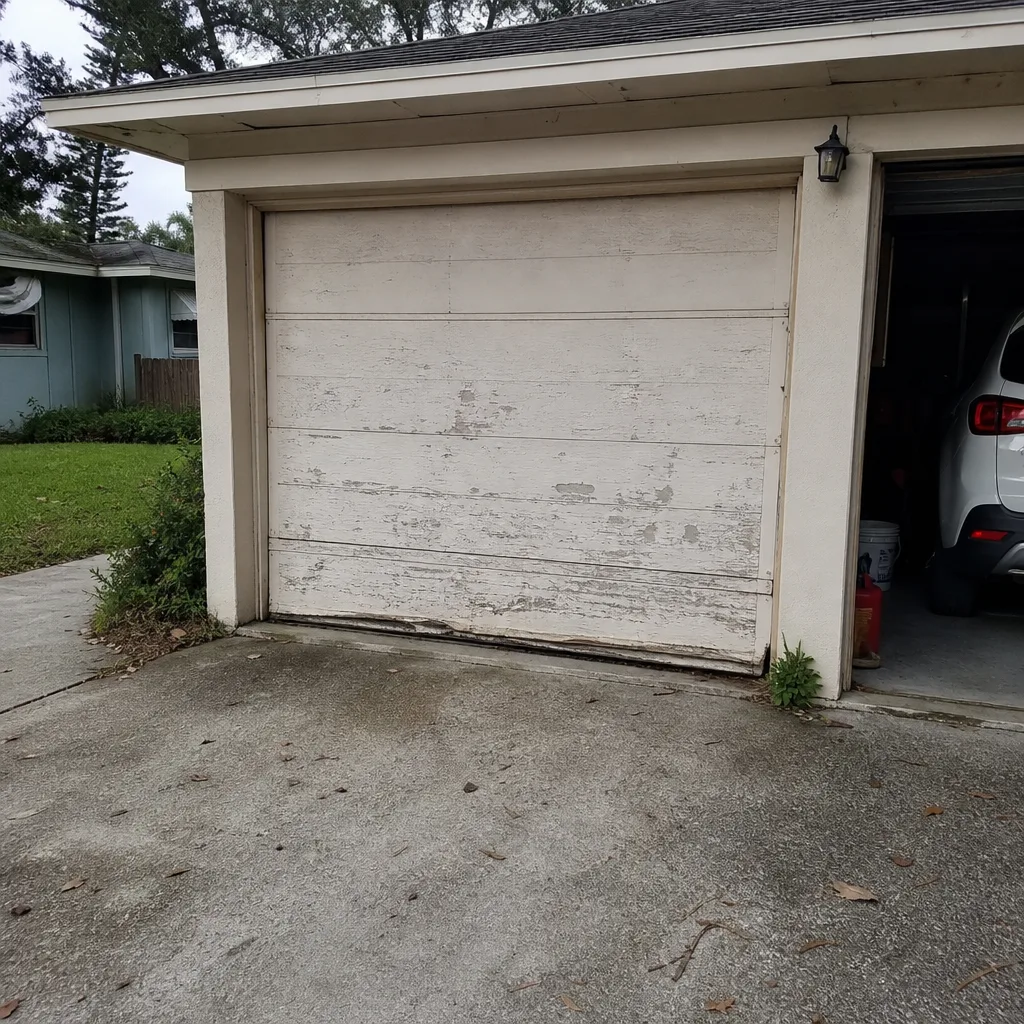 Before
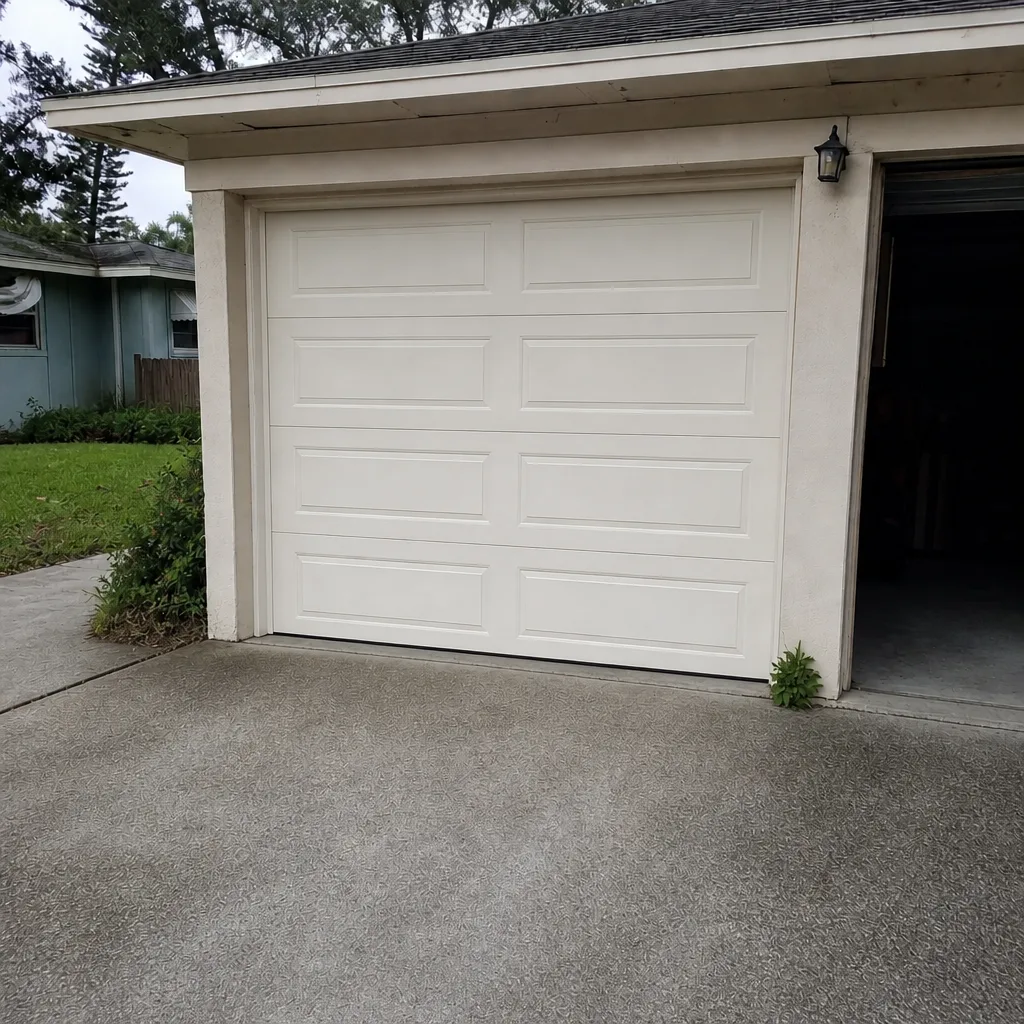 After
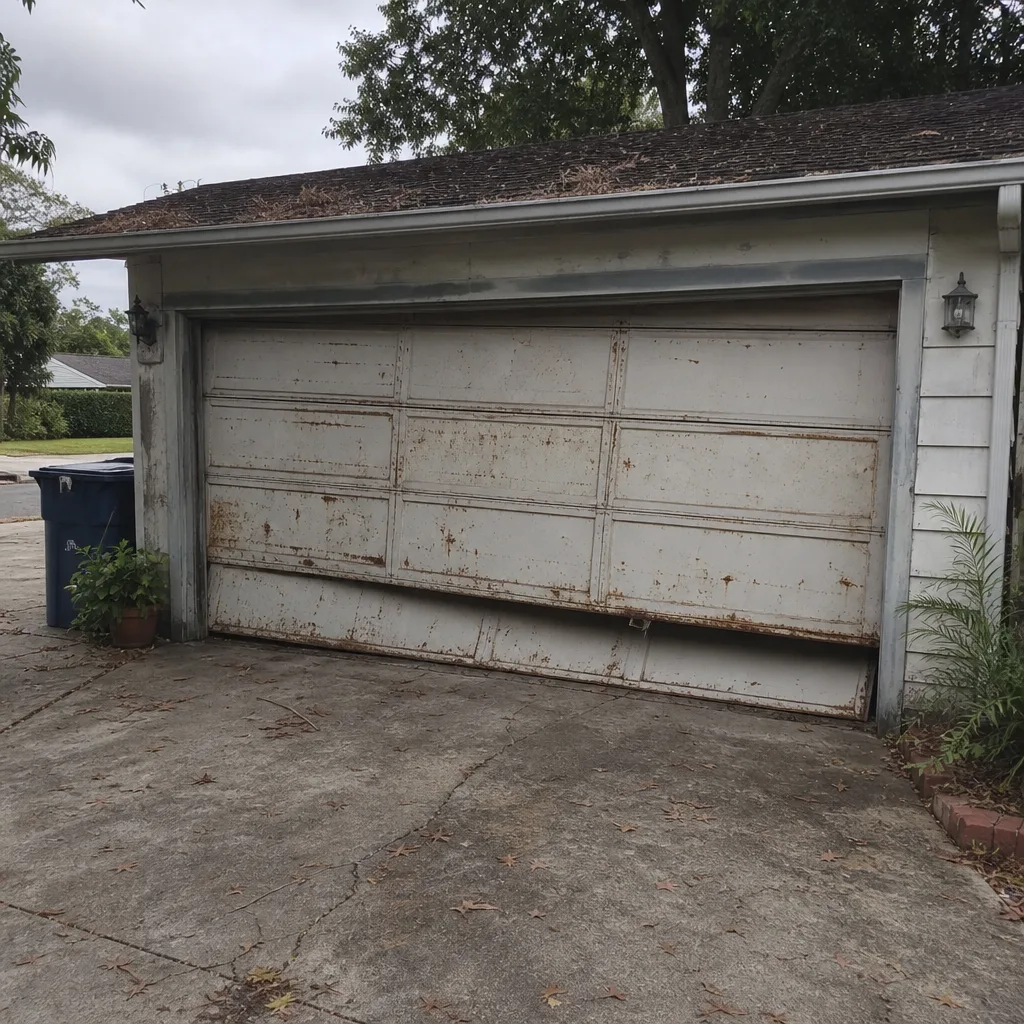 Before
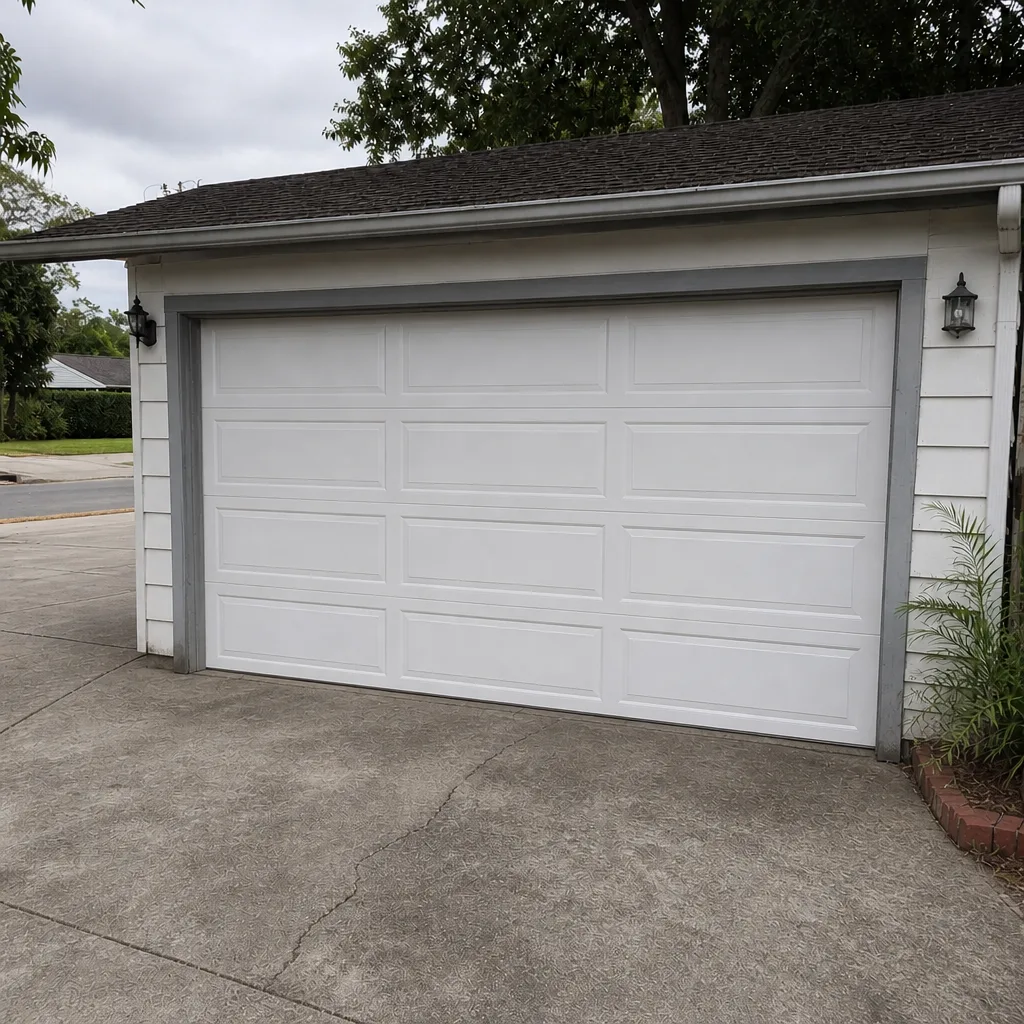 After
When to Call a Professional
Some problems are genuinely DIY-able: a swapped remote battery, a sensor adjustment, a lubricated roller. Others aren’t. Call us when the symptom involves a spring, a cable, an off-track door, a door that’s heavy to lift by hand, a door that won’t stay closed after the sensors are confirmed aligned, or any opener fault that survives a hard reset. Also call if you’ve tried your top guess twice and the door is still misbehaving – it means you’re looking at the wrong category. Garage Door Repair Old Northeast offers free estimates in Old Northeast, and our technicians have up to 9 years of experience diagnosing exactly these problems. Call (877) 492-1990 and we’ll walk you through the manual override test on the phone. If you’re upgrading an aging opener rather than repairing one, garage door installation is the more sensible call. When your door won’t move, we will.
Frequently Asked Questions
Pull the manual release cord and test the door by hand. If it lifts easily and holds its position at waist height, the door is balanced and the opener is the problem. If the door is heavy, drifts down, or binds partway, the door is the problem and the opener is just reporting it. This one test answers the question in under a minute with no tools. Call (877) 492-1990 if you’re not sure which result you got – we’re happy to narrow it down.
Almost always a misaligned safety sensor. The two small lenses at the bottom of each track send an infrared beam across the opening, and if the beam is broken or misaligned the door reverses by design. Look for a blinking LED on either sensor. In Old Northeast, humidity-swollen wood frames push those brackets out of alignment often, so sensor drift is the number one “won’t close” call we get. Call (877) 492-1990 if adjusting the bracket doesn’t hold.
No. Torsion springs store enough energy to cause serious injury, and installing one requires winding bars, the correct spring matched to your door weight, and a controlled tensioning process. The safest state for a door with a broken spring is fully closed, disconnected from the opener, and locked. Our technicians have up to 9 years of experience with this repair, and it’s one we handle as a standalone service. Call (877) 492-1990 for a free estimate.
Check the outlet and the breaker, then unplug the opener for thirty seconds and plug it back in to clear a post-surge lockout. If the wall button works after the reset but the remote doesn’t, the opener is fine and the remote needs re-pairing. If nothing works, check for a storm-mode or vacation lock engaged on the wall control. If the door still won’t respond, that’s an opener logic fault and you’ll want Garage Door Repair Old Northeast on it rather than more resets. Call (877) 492-1990.
Humidity-driven roller and hinge friction is the usual cause. Old Northeast summers swell wood frames slightly, tighten track clearances, and dry out lubricant faster than in cooler climates. A silicone-based lubricant on the rollers, hinges and spring coils quiets most noise in ten minutes. If the noise is a rhythmic pop or clunk at the same point in the cycle, that’s a worn roller or hinge and it needs replacing. Call (877) 492-1990 if lubrication doesn’t silence it.
Not as a fix. The force setting is a safety limit, not a workaround for mechanical friction. Raising it to overpower a binding door masks the real problem and increases the risk of injury or the door coming off track. Find and fix the bind, or call (877) 492-1990 and let a technician diagnose it – our free estimates include the mechanical check. Our technicians are factory-familiar with Craftsman, LiftMaster, Chamberlain and Raynor openers, so we’re working on the unit you already own.
The Bottom Line
Troubleshooting a garage door is mostly about identifying the category of failure fast, and then knowing which categories are safe to touch. Six symptom groups cover nearly every call we get in Old Northeast: noise, slow movement, partial open, won’t close, remote failure, and off-track. The manual override test tells you in a minute whether the door or the opener is at fault. Anything involving a spring, a cable, or an off-track door is a stop-here. Anything humidity-related – sensors drifting, track loosening, wood frames swelling – is fixable if you diagnose it early. If you’ve tried the obvious fix twice and it hasn’t held, the next call should be to us at (877) 492-1990.
Written by the team at Garage Door Repair Old Northeast.