Last updated November 22, 2026
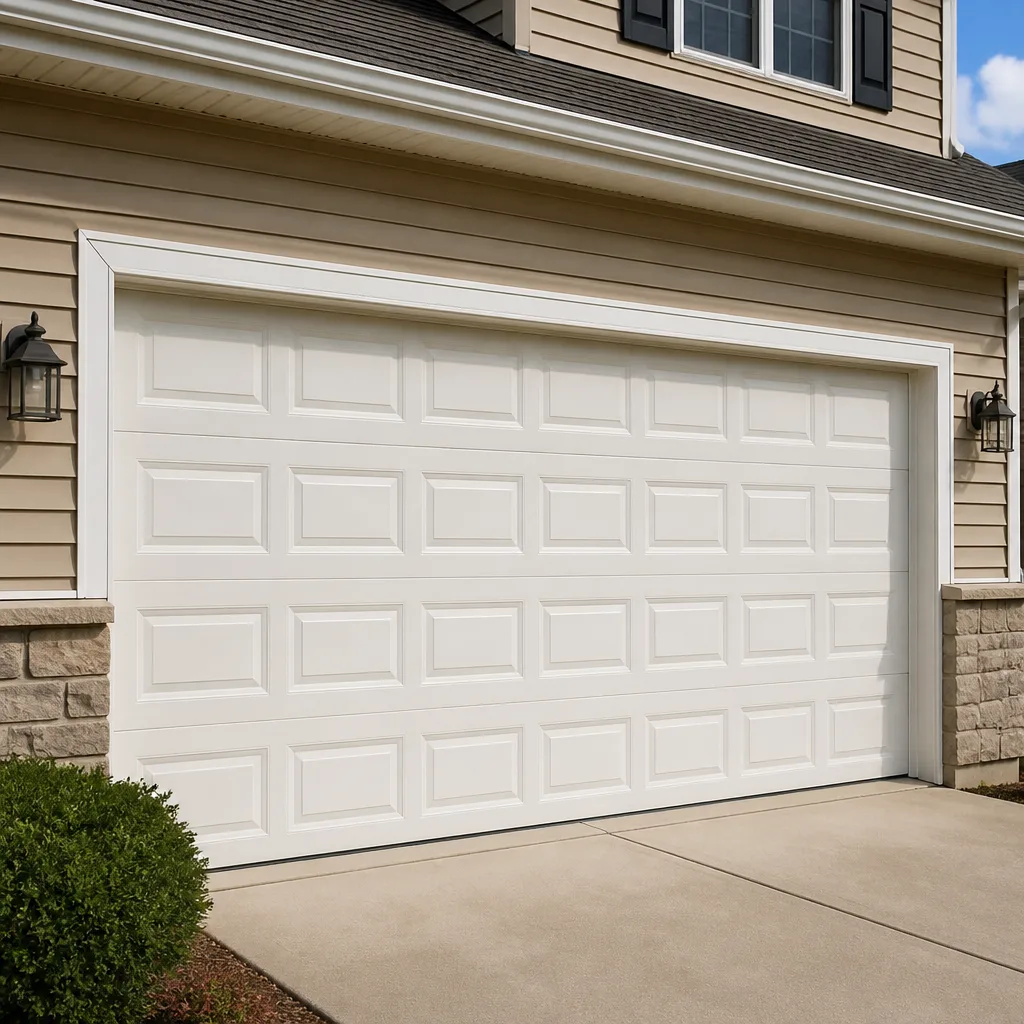 Raised-panel steel
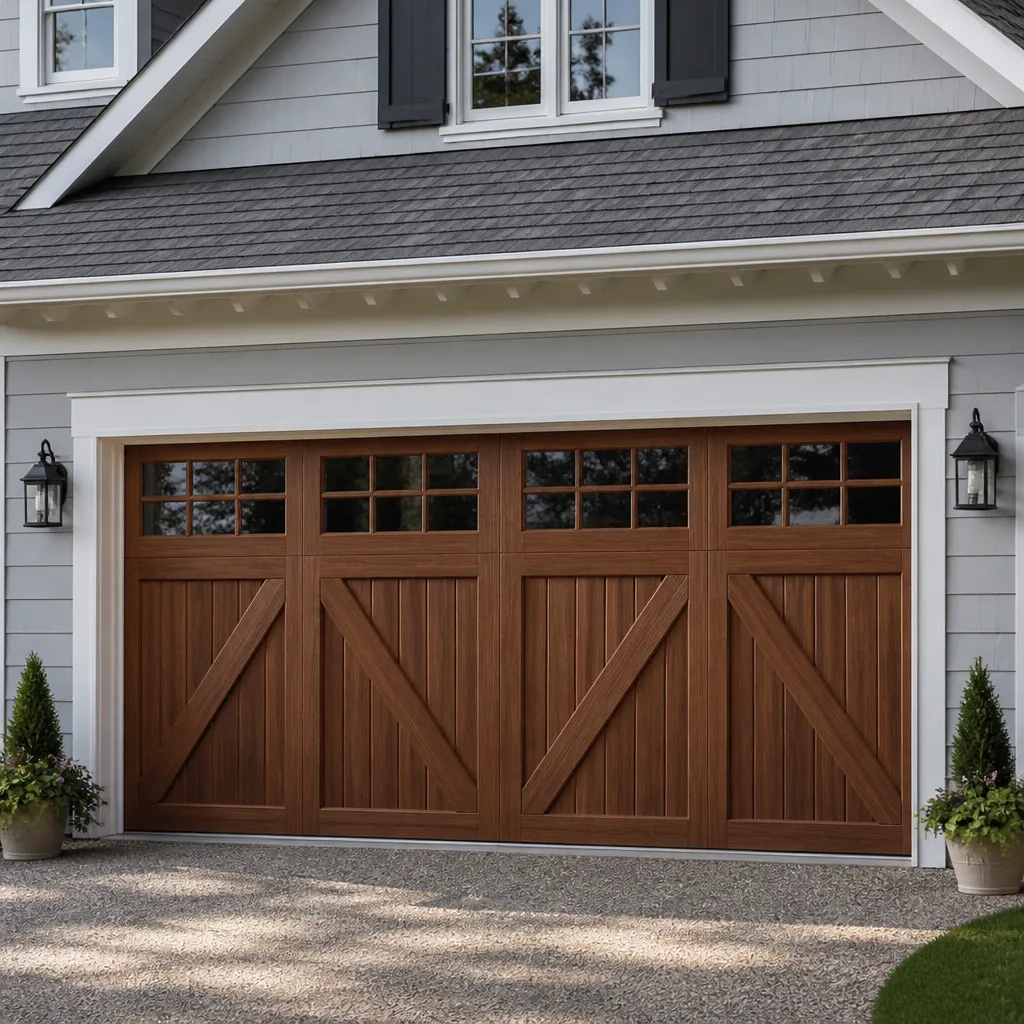 Carriage house
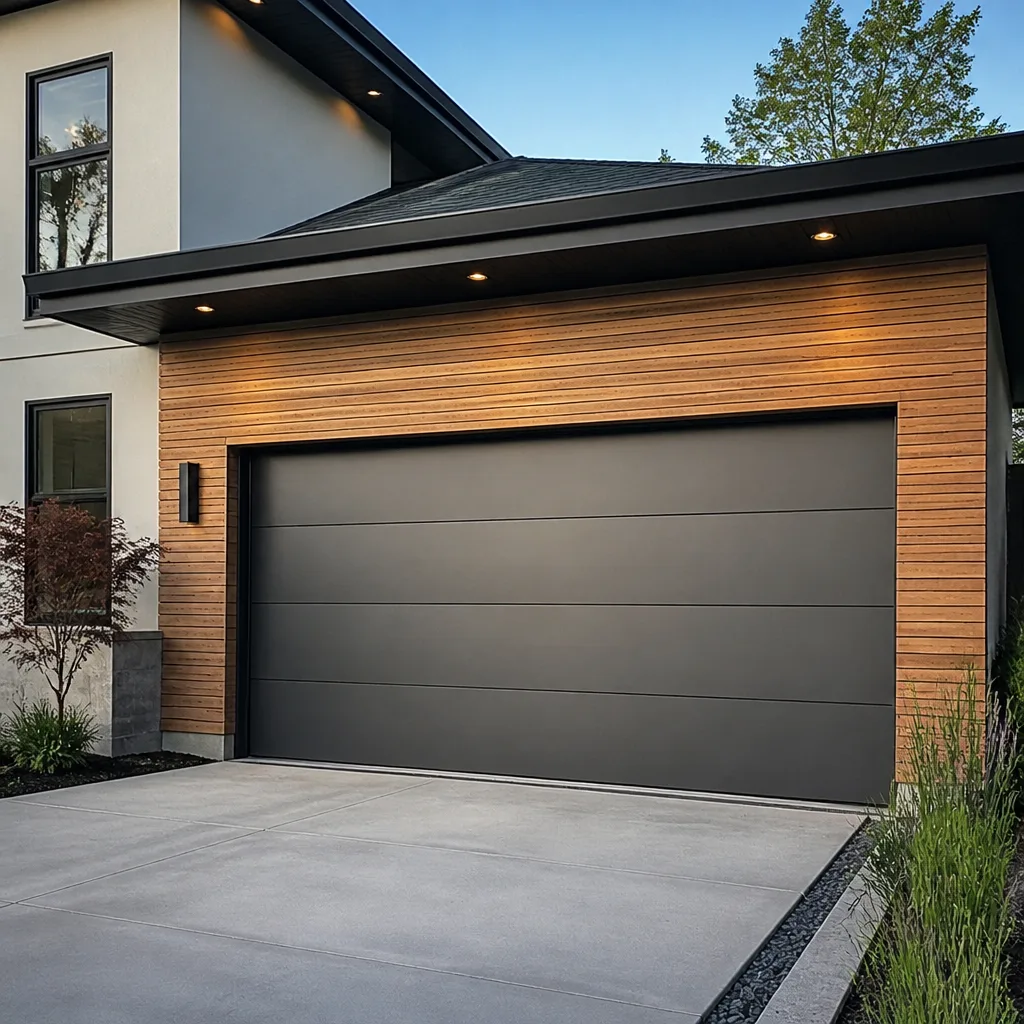 Modern flush
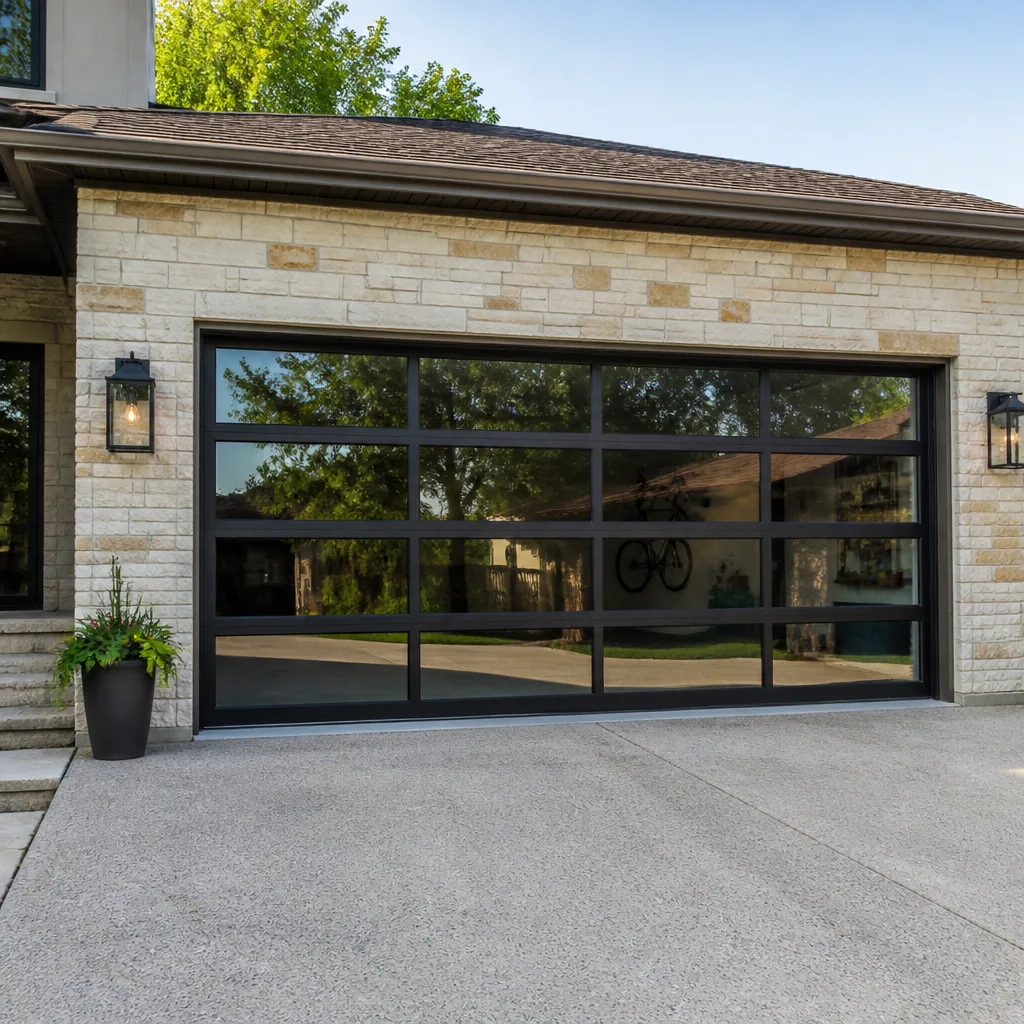 Full-view glass
 LiftMaster openers
 Chamberlain openers
Full 25-point door and opener safety check with every visit - springs, cables, rollers, tracks, and your LiftMaster or Chamberlain opener included
You get a price before we start. It does not change when the pro arrives.
Get your free estimateGarage Door Warning Signs: An Old Northeast Homeowner’s Reference Guide
A door that’s “just a little slow” and a door that’s about to drop its spring are two completely different problems, but they can look identical to someone who hasn’t seen both fail. That’s the gap this guide closes. Most garage door failures here in Old Northeast don’t arrive without warning: they arrive after weeks of warnings nobody recognized. A torsion spring under stress sounds different from a tired opener. A cable going slack looks different from a door that’s simply old. By the end of this guide you’ll know which symptoms mean “watch it” and which mean “stop using the door today,” how to describe what you’re hearing so a technician can tell you what’s wrong before anyone drives out, and how to keep a small problem from turning into a Monday-morning emergency.
Quick Answer
Most garage door failures announce themselves first through sound, sight, and a change in how the opener behaves, and the warnings fall into two groups. Signs that are safe to monitor include a slightly noisier door, minor vibration, and small opener hesitations. Signs that mean stop using the door until a technician sees it include a snapped spring, a visibly loose or slack cable on one side, a door that hangs crooked, and a door that reverses or drifts back down on its own.
Styles & brands we work with
- Raised-panel steel
- Carriage house
- Modern flush
- Full-view glass
- LiftMaster openers
- Chamberlain openers
Table of Contents
- What Your Door’s Sound Is Telling You
- Spring Warning Signs: When One Spring Is Carrying Too Much
- Cable Slack and Drum Alignment: The Silent Warnings
- Opener Behavior Changes and What They Actually Mean
- Safe to Monitor vs. Stop Using the Door Now
- How to Document Symptoms Before You Call
- Old Northeast Climate and Why Doors Age the Way They Do
- When to Call a Professional
What Your Door’s Sound Is Telling You
A healthy garage door is not silent, and that’s the first thing to understand. It makes noise every time it moves: the opener motor hums, the chain or belt travels, the rollers roll through the tracks, and the panels shift as they articulate through the curve at the top. In our experience, homeowners here in Old Northeast judge a door as “loud” based on memory rather than a baseline. The better approach is to know what normal sounds like so you can spot the moment it changes.
Here’s how to build that baseline. Pick a time when you’re not rushing out, open and close the door, and listen for each layer of sound separately. Ask yourself:
- Can I hear the rollers? A gentle rumble is normal. A high-pitched squeal or a rhythmic scraping points to worn rollers or dry tracks.
- Can I hear the springs? You shouldn’t be able to single them out. A torsion spring under tension is mostly silent during normal operation. If you start hearing a rhythmic tick, a metallic groan, or a chattering that repeats every rotation, that’s a spring asking for attention.
- Can I hear the opener separately from the door? You should. A motor that grinds, whines, or hesitates is telling you something the door itself isn’t.
The sound profile of a torsion spring under stress
This is the sound homeowners miss most often. A healthy torsion spring doesn’t announce itself. A torsion spring under stress makes a low, metallic groan that you feel more than hear, especially when the door finishes closing and the tension resets. Listen for it in the last foot of travel. If the groan is audible from a room or two away, the spring is loaded beyond design tolerance. Some springs also develop a rhythmic click, once per rotation, that sounds like tapping against the housing. That’s the coil catching or chattering, and it usually means the spring is on borrowed time. And a sharper, high-pitched ping means a coil has fractured but hasn’t released yet, which is the most dangerous state a spring can be in.
The key point: don’t wait for a snap before acting. A spring that’s audible is a spring that’s telling you it’s coming.
Spring Warning Signs: When One Spring Is Carrying Too Much
Torsion springs are the heart of a garage door system, and the warning signs are visual once you know where to look. On a two-spring system, both springs are designed to carry the door’s weight together, so each one is doing roughly half the load. When one spring breaks or loses tension, the surviving spring is suddenly doing all the work. That unbalanced state is what causes the dramatic failures people describe when they call us.
Look at the springs along the header above the door (torsion springs) or along the sides (extension springs). Check for:
- A visible gap in the coil. A broken spring shows an obvious separation, a coil sitting out of line, or a section that’s unspooled. If the door still opens, this is a one-spring-carrying-the-load situation, and it needs to be addressed before anyone uses the door again.
- Sagging or misalignment along the shaft. Springs should sit square on the torsion shaft. A spring that’s sliding sideways is a spring that’s losing its grip.
- Paint cracks or rust on the coils. Springs are painted. Cracking paint or rust lines across the coil are early fracture signals, especially in a warm, humid climate where metal spends its life under tension.
- An uneven door. When one spring is doing more work than the other, the door hangs at a slight angle. Look at the bottom edge from the front; if the left and right sides aren’t level, the spring pair is out of balance.
One more rule: never try to break glass or force a door with a suspected spring problem. If the spring is broken, the door may be carrying its full weight with no counterbalance, and using the opener on it can bend panels or drop the door. Shut it down and call.
This is one of the two repairs where we tell homeowners to stop and step away from the door. garage door repair covers most of the guide’s topics, but springs are in a category of their own.
Cable Slack and Drum Alignment: The Silent Warnings
Cables are the second most important component on the door after springs, and they fail even more quietly. Cables run from the bottom corners of the door up to cable drums at the top of the torsion shaft. When the door opens, the cables wind onto the drums. When it closes, they unwind. If anything goes wrong with the spring tension, the drum winding, or the track geometry, the cables usually show it first.
Here’s what to look for during a visual check, with the door closed and the opener left alone:
- Check the cables along both sides. They should be taut and straight, running from the bottom bracket up to the drum. A cable that sags, droops, or rests partially off the drum is slack, and slack means it’s not holding its share of the load.
- Look at the drums at the top corners. Each drum should have the cable wound neatly in its groove. A cable that’s crossed over itself, spilling off the flange, or bunched at one end is a miswound drum, and it will eventually let the cable slip.
- Check the bottom brackets. The cable attaches to the door at a bracket on each bottom corner. Look for fraying at the swage, a bent bracket, or loose fasteners.
- Watch the door’s travel edge. If the door closes with one side descending a fraction of an inch ahead of the other, the cables aren’t carrying equal load.
A frayed cable can snap under tension and whip with real force, so never touch, pull, or try to rewind a cable yourself. The safe verdict is a phone call, not a repair. What you can do is note which side, how much slack, and whether the door is currently hanging level, since that detail saves time when we talk through the situation.
Opener Behavior Changes and What They Actually Mean
The opener is the most visible part of the system, and its symptoms are the easiest to misread. A hesitation, a reversal, or a grinding sound can come from the opener itself, the door’s balance, the safety sensors, or the track, and guessing wrong wastes money. Here’s how opener behavior maps to actual mechanical causes.
- Hesitation or a pause before moving. This usually points to a worn gear or a sprocket that’s slipping, sometimes inside a chain-drive unit like a LiftMaster. It can also mean the door is heavier than the opener expects because a spring is losing tension.
- Reversal before the door reaches the floor. The safety sensors are the most common cause, followed by a misaligned sensor lens, a dirty lens, or a track that’s triggering the limit setting early. On older units, a failing logic board produces the same symptom.
- Grinding or growling from the motor housing. That’s usually a worn drive gear or a stretched chain, and it’s the classic warning that a Chamberlain or Genie unit is nearing the end of its service life.
- The door climbs partway and stops. The opener’s force limit is tripping. The cause is almost always the door, not the motor, which is why we check balance and spring tension before recommending any opener work.
- The remote works intermittently. Usually a battery, sometimes a logic board or interference from the radio band. Not dangerous, easy to diagnose.
One thing worth knowing: an opener that behaves badly after you replace a battery or reset a remote isn’t broken. But an opener that hesitates, reverses, or grinds without any recent change is telling you the door itself has changed underneath it. That’s the link between symptoms most homeowners miss, and it’s why our garage door opener repair always includes a balance and tension check before we touch the motor.
Safe to Monitor vs. Stop Using the Door Now
The question every homeowner actually asks is: can I wait, or do I need to call someone today? Here’s the line we draw, based on what we see on Old Northeast service calls.
Safe to monitor (with a plan to call)
- Squeaks, scrapes, or minor rumbling that’s louder than it used to be, but the door moves evenly and stays level.
- An opener that hesitates slightly on the first cycle of the day, then runs cleanly after.
- Small cosmetic issues: a rattling panel, a loose handle, a weather seal that’s curling.
- A remote that needs a new battery, or a sensor that’s been bumped and needs realignment.
Even for these, we recommend getting on the schedule rather than waiting for the noise to get worse. Small issues almost always get worse, and the repair price rarely goes down when you wait.
Stop using the door now
- A snapped or visibly broken torsion spring, or a door sitting crooked with the opener disengaged. The door may be carrying full weight.
- A slack, frayed, or off-drum cable on either side.
- A door that reverses, drifts back down, or drops after opening.
- A door that’s making a sharp, repeated ping or a metallic groan you can hear from another room.
- A grinding sound from the opener housing that repeats every cycle.
If you’re in the second group, close the door if you can do so safely, unplug the opener, and call. Emergency garage door service exists for exactly this, because a door stuck open is an open house to anyone walking past. Garage Door Repair Old Northeast handles those out-of-hours failures as a core part of what we do.
How to Document Symptoms Before You Call
The single most useful thing you can do before calling is describe what you’re seeing and hearing in a way a technician can diagnose. Here’s a numbered process that takes about five minutes and saves real time on the call.
- Record a short video of one full open and one full close cycle. Thirty seconds of footage captures the sound, the travel, and whether the door is level, and it’s worth more than ten minutes of description.
- Note when the symptom appears. Does it happen on the first cycle of the day, every cycle, only on opening, or only on closing? Timing narrows the cause more than any other detail.
- Note what changed recently. A new remote, a power outage, a recent thunderstorm, a door that got bumped by a bicycle, or a sudden drop in temperature all matter.
- Look at the springs and cables and describe them exactly. “Broken coil in the left torsion spring” or “cable sagging about a half inch on the right side” tells us more than “it sounds bad.”
- Test the balance (with the door closed and the opener disengaged). Pull the emergency release, lift the door by hand about halfway, and let go. A properly balanced door should stay in place. A door that drifts down is a door whose springs are losing tension, and a door that drops is a door to leave alone.
- Write down the brand and any model number you can read. We work with the brand you have, whether that’s a Raynor or a Genie, so knowing the model helps us bring the right parts knowledge to the call.
Send that summary along when you reach out. In our experience, a clear description leads to a better first visit, and often avoids a second trip.
Old Northeast Climate and Why Doors Age the Way They Do
Old Northeast winters are mild. That’s good news for the door overall, but it changes how these problems show up compared with colder climates. There’s no freeze-thaw cycling to battle, which removes a whole category of seasonal damage, but the warm, humid months do their own work. Metal parts spend more of the year cycling through heat expansion, humidity exposure, and the kind of airborne moisture that finds its way into every hinge and roller. Springs, cables, and fasteners simply age differently here.
What that means practically:
- Listen for spring noise during the warmest weeks. Heat can make small fractures more audible before they widen.
- Watch for rust and paint cracking on the spring coils. It’s the earliest fracture signal in this climate.
- Lubricate rollers and hinges, and check that weather seals still sit flat. Humidity works on seals as much as on metal.
- Use the seasonal change as your annual reminder. Every time you clean the garage out, run the sound test and the visual check in one pass.
Doors in the older housing stock around Old Northeast also carry some history in their hardware. Original overhead doors from decades past are frequently still in service with modern openers bolted onto them, and the mismatch between a vintage door and a newer LiftMaster or Chamberlain unit is a common source of “the opener is acting strange” complaints. The door and opener have to be balanced together, which is why we check both on a single visit.
Common Mistakes to Avoid
- Ignoring a spring groan because the door still works. It works now. A spring under stress can fail without warning, and the failure takes the door with it. Treat the sound as a countdown, not a background hum.
- Calling a general handyman for a spring or cable problem. Garage doors are all we do, and the reason is simple: springs and cables carry enormous stored force, and a mistake there is a serious injury risk. A generalist who “also does doors” is not the right call here.
- Greasing the tracks to quiet a noise. Tracks should stay clean and dry. Grease attracts grit, and grit grinds rollers.
- Replacing the opener before diagnosing the door. A new opener on an unbalanced door will fail faster than the old one. Diagnose the door first.
- Running the opener on a broken spring. The opener is lifting the full weight of the door when the spring is gone, and the motor is not designed for that. Stop the door and call before the opener fails too.
- Assuming the climate makes seasonal maintenance unnecessary. Mild winters don’t make a door maintenance-free. The humid months still do their work on springs, rollers, cables and seals.
- Waiting for a full failure before calling. Emergency garage door service is there for actual emergencies. A planned repair on a warning sign is cheaper, faster, and safer than a late-night breakdown.
See the difference
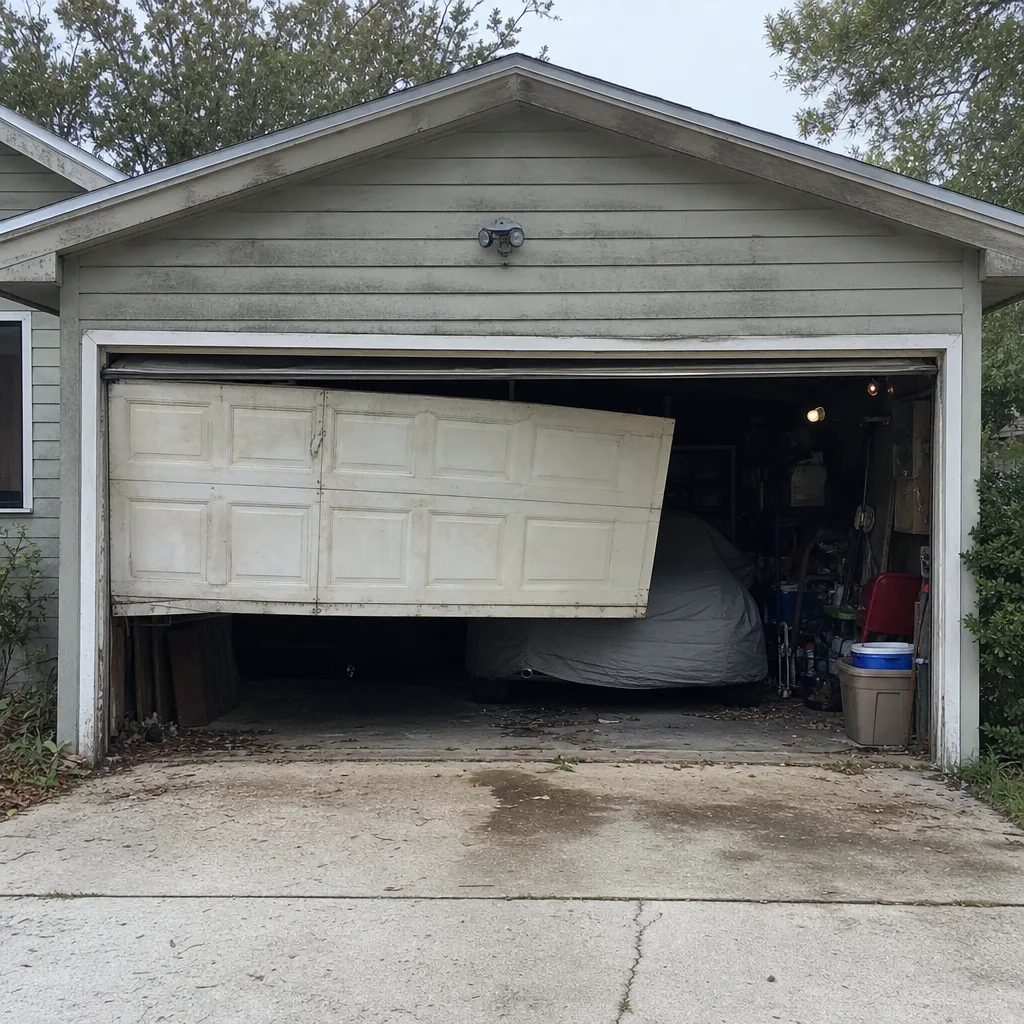 Before
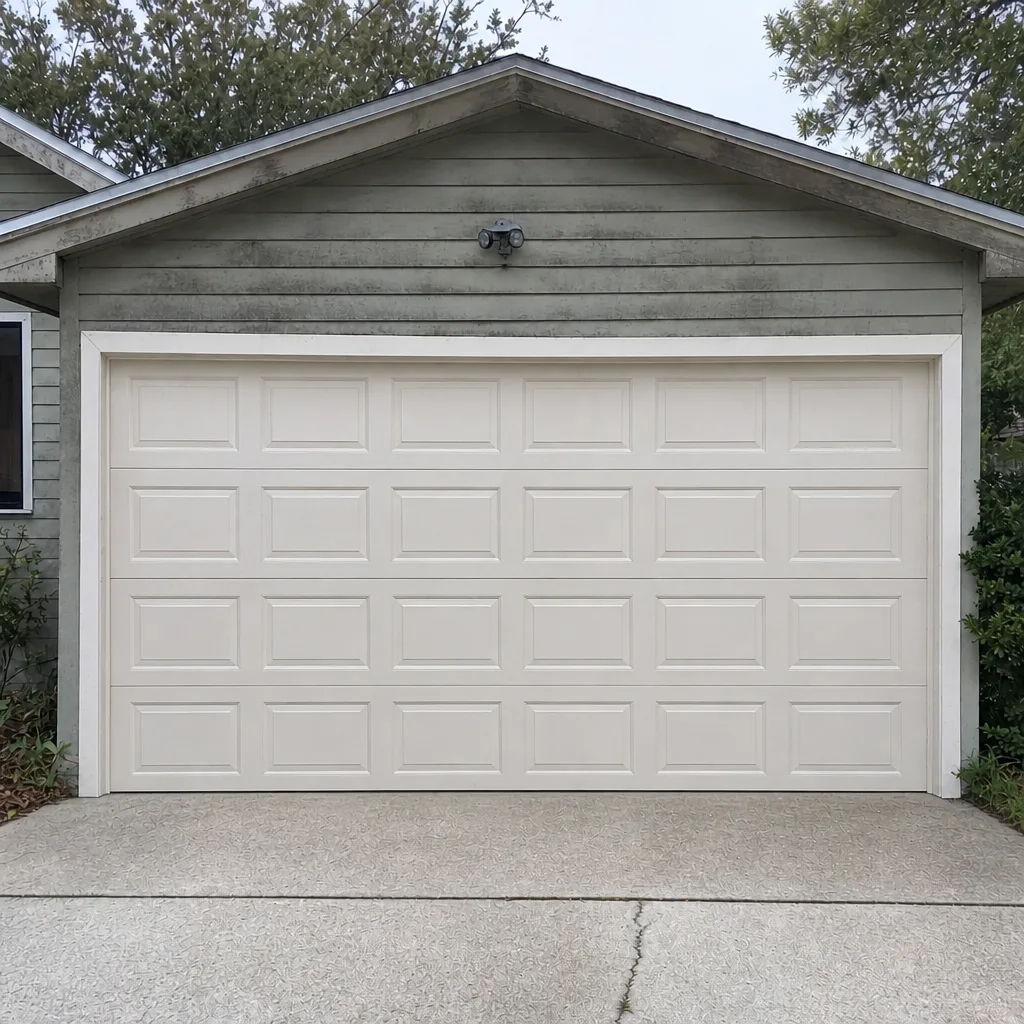 After
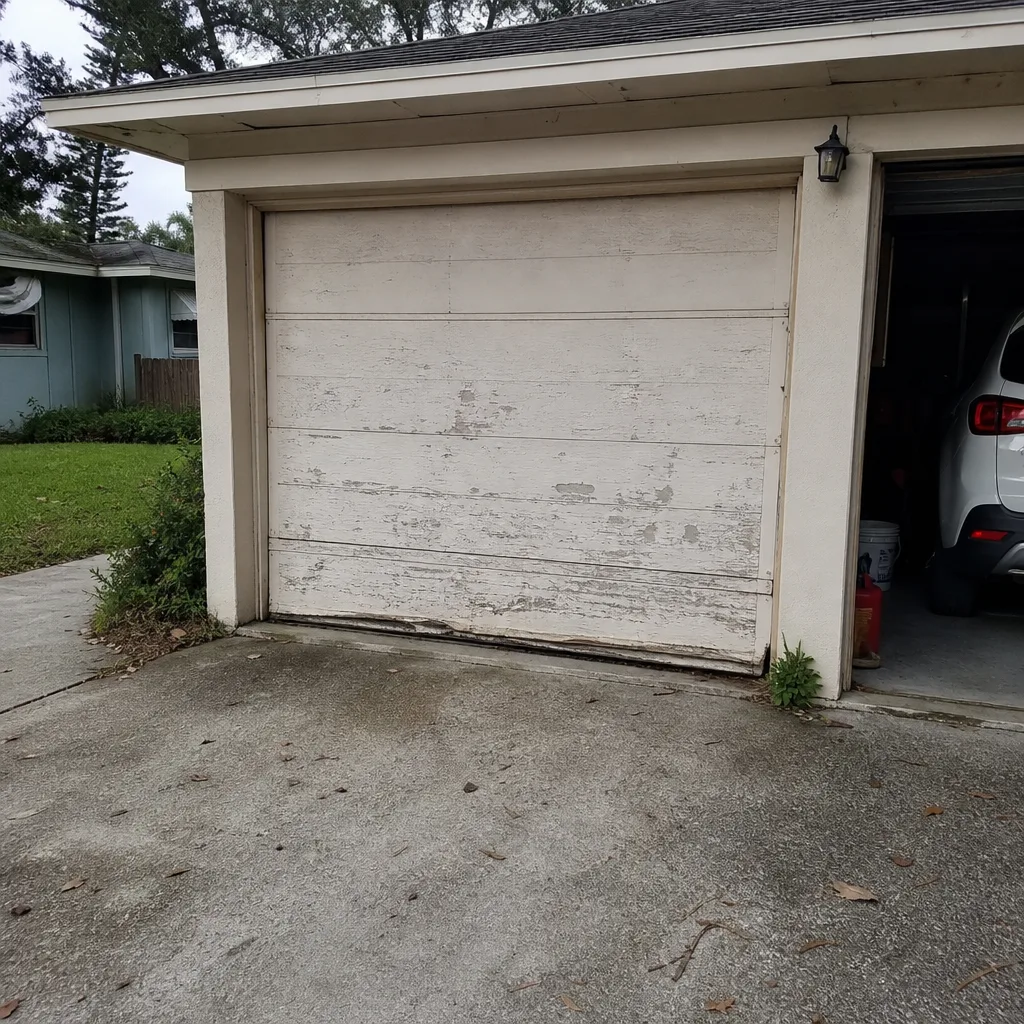 Before
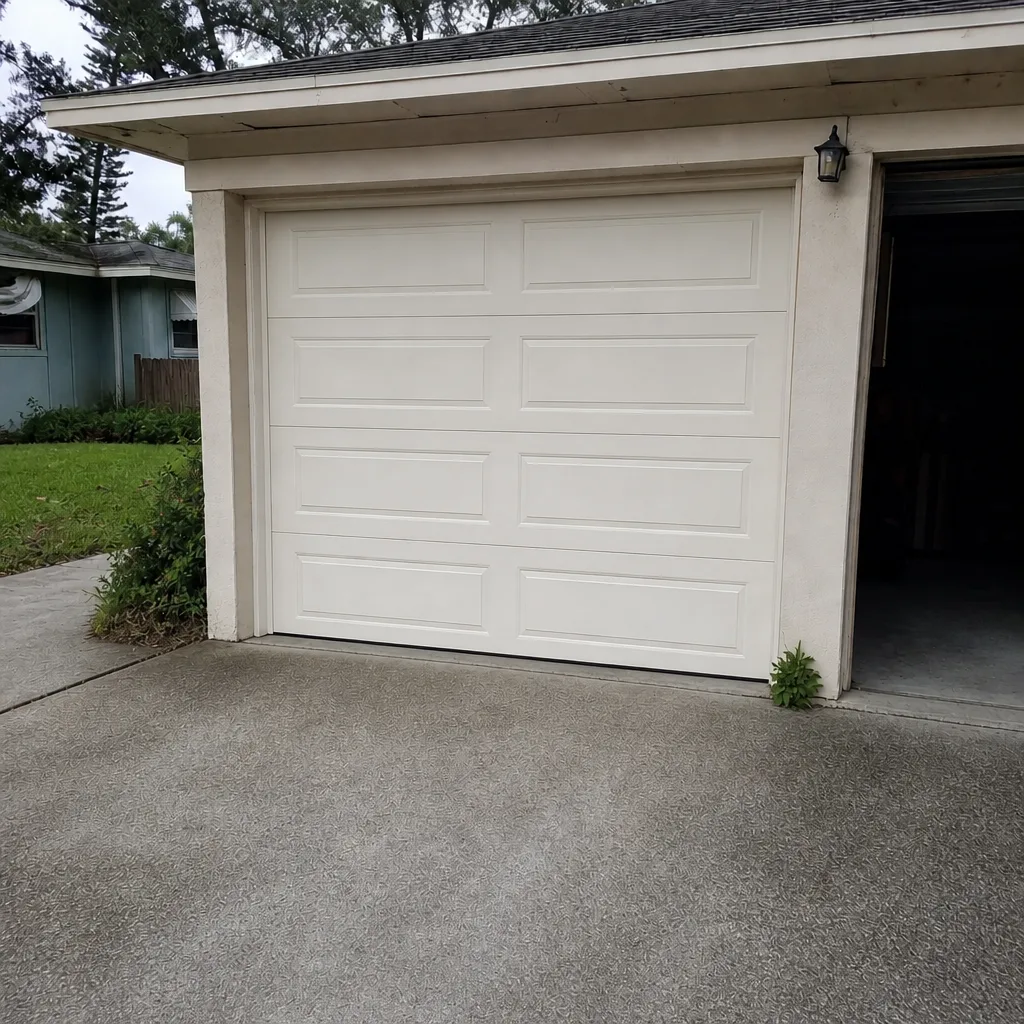 After
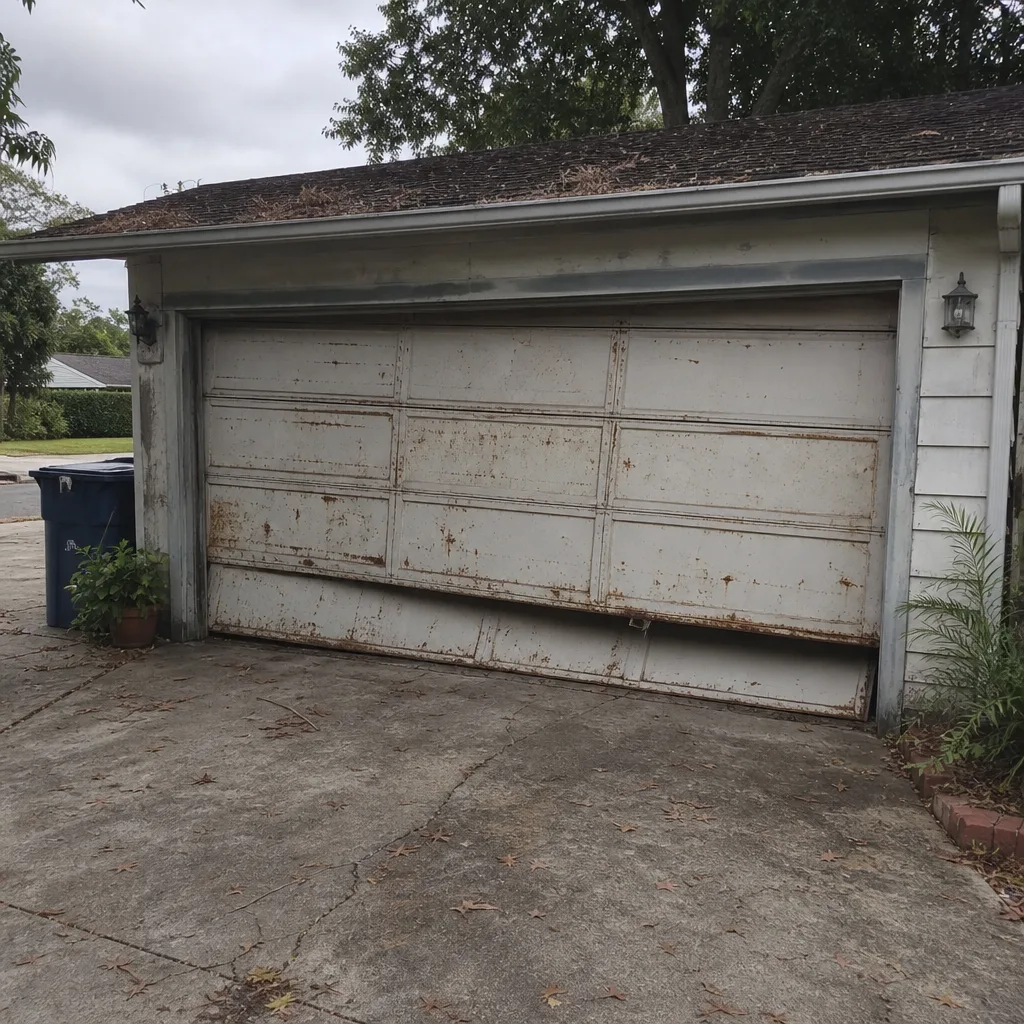 Before
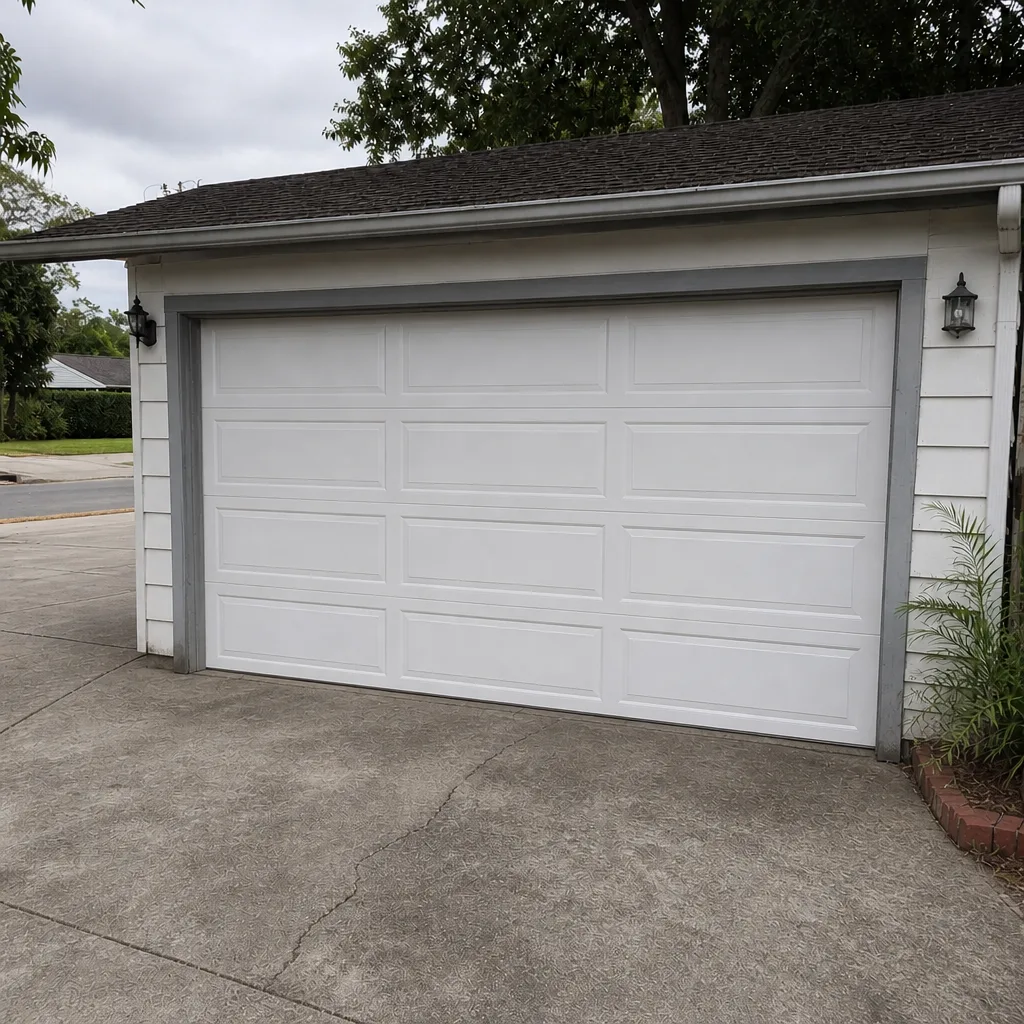 After
When to Call a Professional
Call us when the warning sign involves a spring, a cable, or a door that isn’t hanging level. Call us when the opener grinds, reverses, or hesitates in a way that repeats every cycle. Call us when the sound test surfaces a groan you can hear from another room, or when the balance test shows the door drifting down by hand. Those are the situations where a technician needs to be on site, not five minutes later on the phone.
The rest of the list can wait for a scheduled appointment, but we recommend booking it rather than sitting on it. Our technicians have up to 9 years of experience across the major brands, and a first visit that starts with a clear description of the symptom often leads to a repair completed in one trip. And when you’re weighing a repair against a replacement, we can walk through both on the same visit, which is what makes garage door installation a conversation rather than a surprise.
Garage Door Repair Old Northeast offers free estimates in Old Northeast. Call (877) 492-1990 and tell us what you’re hearing and seeing. We’ll tell you what we think it is, and whether the door needs to stay shut until we arrive.
Frequently Asked Questions
The most common warning signs are unusual sounds during operation, a visibly broken or sagging spring, slack or frayed cables, a door that hangs unevenly, and an opener that hesitates, reverses, or grinds. Any one of these is worth a look. A combination of two or more is worth a call.
A spring that’s about to fail usually shows a visible gap or a paint crack on the coil, and often gives a low metallic groan or a rhythmic tick during the last foot of travel. If you can hear the groan from another room, stop using the door and call. Don’t wait for the snap.
No. A slack cable isn’t carrying its share of the load, which means the other cable and the springs are doing more work than they’re designed for. Stop using the door and call. A cable under tension can snap and whip with enough force to cause serious injury, so don’t touch it yourself.
Not until the door itself is checked. Grinding from the opener housing is often a worn drive gear, but the same symptom appears when the door is too heavy for the motor because the springs have lost tension. Replacing the opener without fixing the balance is money spent on a problem that will come back. Diagnose the door first.
Usually maintenance. Old Northeast’s mild winters mean you’re not fighting cold-related contraction, but the humid months are harder on rollers, hinges and seals than most homeowners expect. A roller and hinge lubrication pass a few times a year quiets most of the noise. If the noise is rhythmic or comes from the springs, it’s not a maintenance issue and needs a technician.
Have the door’s brand and model if you can read it, a description of when the symptom appears, what’s changed recently, and a short video of one open and close cycle. If you can tell us whether the door hangs level and whether it holds position when lifted by hand, that’s most of the diagnosis done before we arrive.
Yes. We work on the brand you have, including Raynor, LiftMaster, Chamberlain, Genie, Clopay, Amarr, Wayne Dalton and Craftsman systems, and our technicians have up to 9 years of experience diagnosing the systems most commonly installed in Old Northeast homes.
The Bottom Line
Garage doors rarely fail without warning. They groan, they sag, they hesitate, they drift, and they make sounds that don’t match their normal pattern. The job of this guide is to give you the vocabulary to recognize those warnings before they become emergencies. Springs should be silent. Cables should be taut. The door should hang level. The opener should run the same way every time. When one of those stops being true, it’s telling you something specific, and a clear description of what you’re hearing and seeing is worth more than any amount of guessing. If you’re unsure, the free estimate call is the shortest path to an answer.
Written by the team at Garage Door Repair Old Northeast.