Last updated November 22, 2026
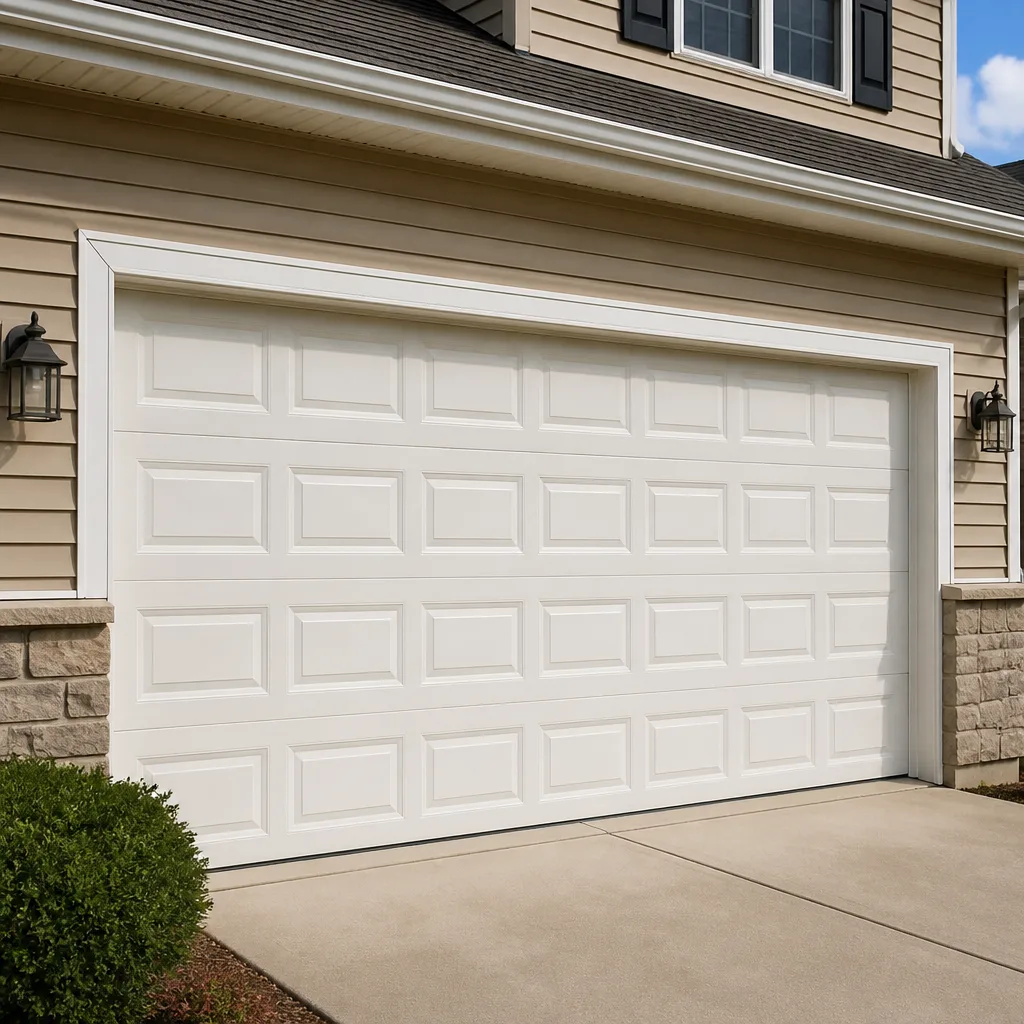 Raised-panel steel
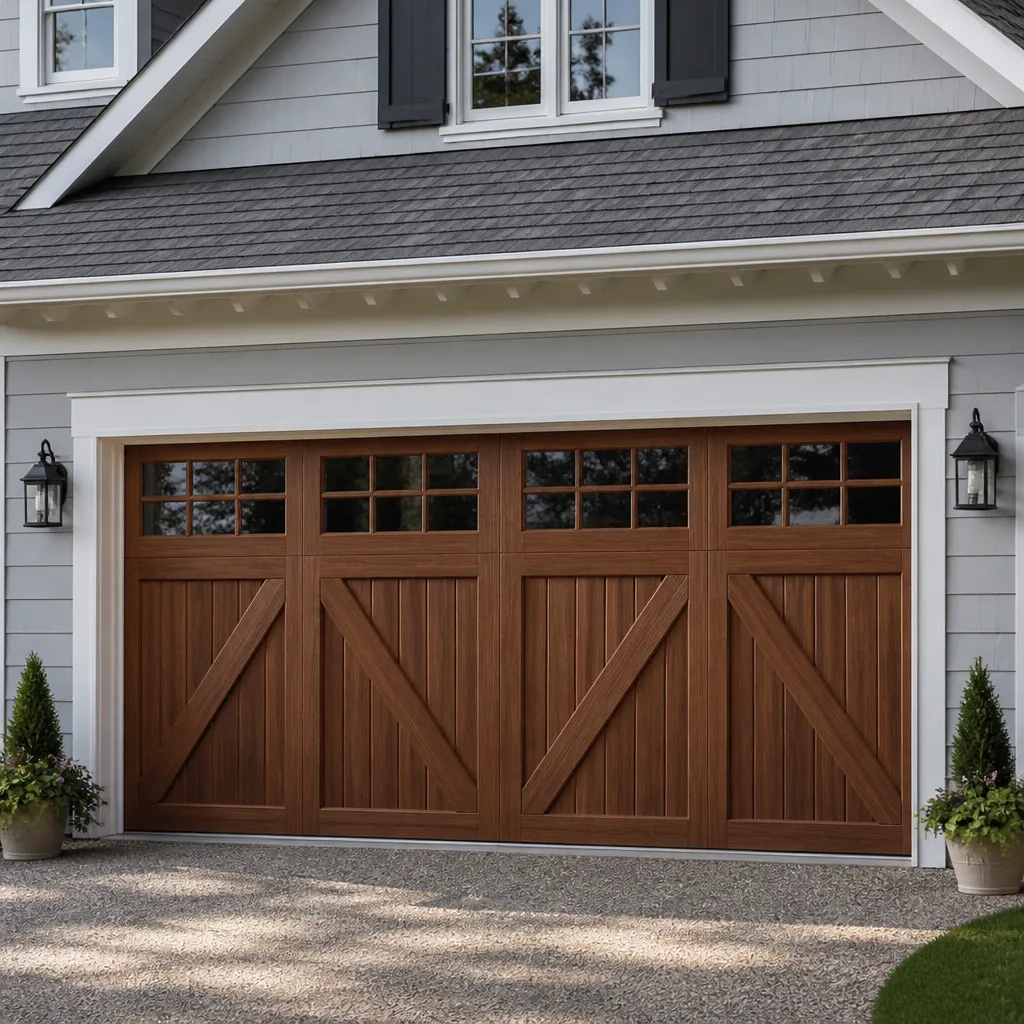 Carriage house
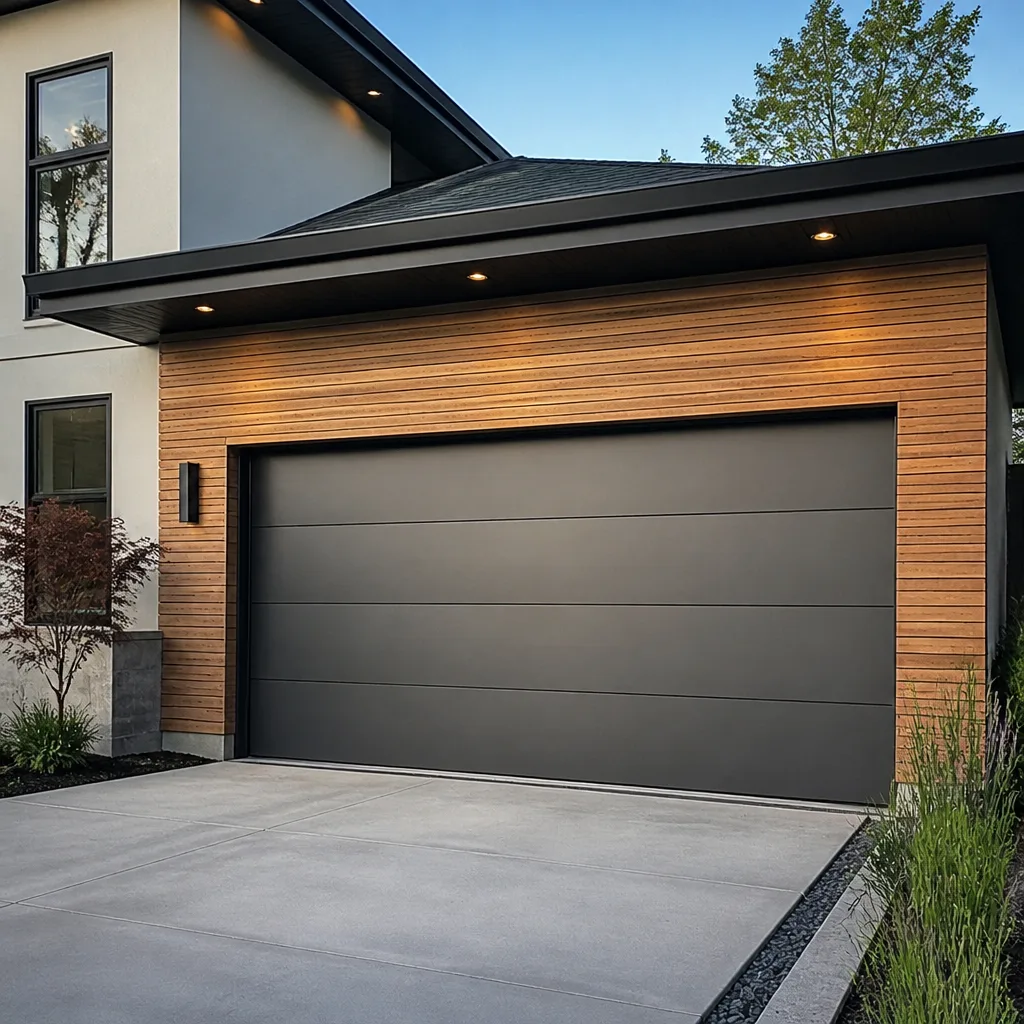 Modern flush
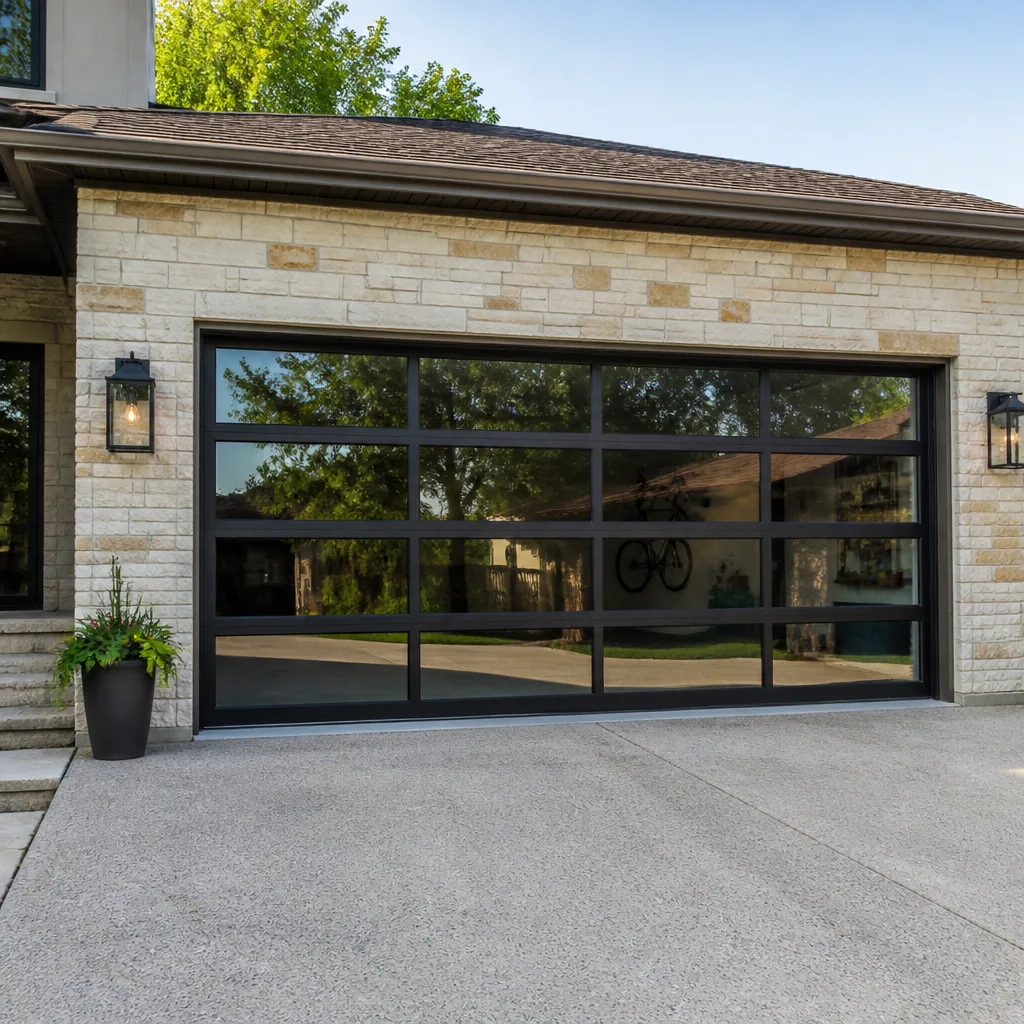 Full-view glass
 LiftMaster openers
 Chamberlain openers
Full 25-point door and opener safety check with every visit - springs, cables, rollers, tracks, and your LiftMaster or Chamberlain opener included
You get a price before we start. It does not change when the pro arrives.
Get your free estimateGarage Door Emergency Preparedness Guide for Old Northeast Homes
Most garage door advice you’ll find online is written as if the only emergency is a snapped spring on a quiet Tuesday afternoon. In Old Northeast, that isn’t the whole picture. Here, a garage door emergency usually means one of two things: the door has failed and you’re stuck, or a tropical storm or hurricane is in the forecast and the door needs to be secured before landfall. The second scenario is the one most homeowners never prepare for, and it’s the one that causes the most damage when it catches people off guard. This guide walks through both, with the specific steps, brand details, and safety calls that matter. By the end, you’ll know exactly what to do when your door quits, and how to get ahead of a storm instead of reacting to one.
Quick Answer
Garage door emergency preparedness in Old Northeast comes down to knowing three things before you need them: where your opener’s manual release cord is and how it works on your specific brand, what to do if a spring breaks while the door is down versus up, and how to brace a door ahead of a tropical storm when replacement can’t happen before landfall. Have a plan for a sudden failure and a plan for a forecasted one. Both start with the same first move: pull the manual release only when the door is fully closed, or the door can come down hard.
Styles & brands we work with
- Raised-panel steel
- Carriage house
- Modern flush
- Full-view glass
- LiftMaster openers
- Chamberlain openers
Table of Contents
- How do you use the manual release on common Old Northeast openers?
- What do you do if a spring breaks while the door is down versus up?
- How do you brace a garage door before a tropical storm?
- How do you get to your car when the door fails closed?
- What information should you have ready before calling for emergency service?
- What happens to your garage door in a power outage?
- What belongs in an Old Northeast garage door emergency kit?
- Why brand matters when your door fails
How do you use the manual release on common Old Northeast openers?
The manual release is a cord that hangs from the opener trolley, and pulling it disconnects the door from the motor so you can lift it by hand. In Old Northeast homes, the opener is most often a LiftMaster, a Chamberlain, or a Craftsman – the three most common units we see behind the doors here. All three use the same basic release design, but the cord and handle vary, and that difference is exactly what trips people up at 10 PM. Knowing yours before you need it turns a two-hour scramble into a two-minute fix.
Here’s how the release works across the common brands:
- Find the cord. It hangs from the trolley carriage on the rail. On LiftMaster and Chamberlain units, look for a red or black handle with a tag. On Craftsman, it’s often a plain T-handle on a short cord.
- Close the door first. Pull the release only when the door is fully down. If you pull it with the door open, the door has nothing holding it and can drop.
- Pull straight down. A firm, steady pull disengages the trolley. Don’t yank sideways.
- Lift by hand. A balanced door lifts with modest effort. If it feels extremely heavy or won’t budge, a spring is likely broken – stop and call.
- Re-engage before powering the opener. Push the door back along the rail until the trolley clicks back into the carriage. Never run the opener with the door disconnected.
One caveat specific to homes here: many Old Northeast garages are detached or set back from the house, and the opener may be a LiftMaster or Chamberlain unit with a battery backup. If the opener has a battery, the door may still move during an outage, which changes your plan. Check whether yours has one before storm season, not during it. When your door won’t move, we will – but knowing your release first is the real preparation. For the full range of what a stuck door can mean, our garage door repair page covers the common failure points.
What do you do if a spring breaks while the door is down versus up?
These are two genuinely different problems, and Old Northeast homeowners tend to treat them as one. A spring that breaks with the door fully closed leaves the door resting on the floor, which is the safer of the two situations. A spring that breaks with the door up leaves the door hanging, held only by the opener or the cables, and that is the dangerous one.
If the spring breaks with the door down
The door is sitting on the floor and the torsion or extension spring has snapped. Don’t try to open it – lift the door by hand gently a few inches to confirm it feels extremely heavy (it will), then lower it back down. The door stays secured. This is a repair you can schedule, not an emergency you have to solve at midnight. Do not attempt to replace the spring yourself. The springs under load store enormous energy, and the cables that run with them can whip if released. This is one of the most hazardous repairs in the trade, which is why we treat spring repair as its own dedicated service rather than a side task. Our team can walk you through what to expect on a garage door repair visit and confirm whether both springs should be replaced together, since matched pairs usually fail close in time to each other.
If the spring breaks with the door up
This is the urgent one. With the door in the air and the spring gone, the door is being held by the opener’s carriage and the cables, and it may drop without warning. Keep people and pets clear of the doorway. Do not stand under the door, do not try to pull it down by hand, and do not run the opener. Call for emergency help. A trained technician can lower the door under control and make it safe. The manual release does not help here – pulling it will drop the door. This is exactly the scenario where emergency service exists for a reason, and where trying to solve it yourself is how a repair turns into an injury.
How do you brace a garage door before a tropical storm?
When a tropical storm or hurricane warning is up and you can’t get a replacement door installed before landfall, bracing is about keeping the door in its tracks and preventing it from being pushed inward or blown out. A residential garage door is the largest opening in most Old Northeast homes, and wind pressure against a weak or aging door is where a lot of damage starts. Bracing won’t make a failing door storm-proof, but it can buy you the difference between a door that holds and one that doesn’t.
Here’s a practical sequence to follow, in order:
- Close and lock the door. A door that’s down and locked is far stronger against wind than one that’s open or partially open. Never leave a garage door open during a storm.
- Engage the manual lock if you have one. Many older Old Northeast doors have slide bolts or a lock bar. Use them. The opener alone isn’t a wind lock.
- Add vertical bracing if the door is older or shows flex. A 2×4 cut to the height of the door, wedged between the floor and the header above the door, adds a vertical spine. Place braces at the door’s vertical stiles, not in the middle of a panel.
- Reinforce horizontally if you have time. A horizontal brace across the middle of the door spreads the load. Keep it above the bottom panel so it doesn’t block the door’s seal.
- Check the tracks and hinges. Loose hinges, bent tracks, or a door that already rubs are the weak points wind will find. If you spot damage, get it repaired before the storm if you can.
- Clear the area. Move anything in the garage that could become a projectile – loose tools, boxes, a trash can – away from the door.
Bracing is a temporary measure. If your door is already showing sag, cracked panels, or a spring that’s struggling, the right preparation is a proper inspection well before storm season. Our garage door installation page explains when a door is a replacement candidate versus a repair, and a free measure and written price is the right place to start – not the day before landfall.
How do you get to your car when the door fails closed?
This is the part of the problem nobody plans for. Your car is inside, the door won’t open, and you need to leave. The safe answer is almost always the manual release, done correctly, followed by lifting the door by hand. The unsafe answer is forcing the door, prying panels, or driving through – all of which turn a repair job into a much more expensive one, and can injure you.
Safe approaches, in order of preference:
- Use the manual release if the door is down. Pull the cord, disengage the trolley, and lift by hand. Only do this if the door feels balanced and not unusually heavy.
- Enter through the house door. If your garage connects to the house and the door is stuck open or partly open, walk through rather than climbing over or under a hanging door.
- Call for emergency service if the door is stuck open or the spring is gone. A door that’s hanging in the air is not safe to move yourself. Get a technician.
Approaches that make the repair more expensive and put you at risk:
- Forcing the door up or down with a pry bar or by hand when a spring is broken – this bends panels, twists the tracks, and can send the door crashing.
- Driving through or bumping the door with a vehicle to “nudge” it open – the door and track almost always lose, and so does the car.
- Disconnecting the opener and leaving it disconnected after you get out – the next person to use the door may not know, and the door can drop.
- Pulling the manual release with the door up to “reset” it – this drops the door.
If you’re locked out of the garage and can’t reach the manual release, the door has an opener that won’t respond, or the door is stuck partway, call us. We treat emergency service as a core offering, not a callback. When your door won’t move, we will.
What information should you have ready before calling for emergency service?
Having five facts ready before you dial shortens the call and gets a technician moving faster. In our experience, the calls that go smoothest are the ones where the homeowner already knows their brand, the door’s position, and whether a spring is broken. Here’s what to have on hand:
- Your door’s position. Is it fully down, fully up, or stuck partway? This is the first thing a technician needs to know because down and up are different jobs.
- Your opener brand and model. LiftMaster, Chamberlain, Genie, Craftsman, Raynor – the brand name is on the opener housing, and it tells us which manual release and which parts are involved. We’re factory-familiar with all of the major brands, so the brand you have is the brand we work on.
- What you hear and see. A loud bang from the spring area, a grinding opener, a door that moves a few inches and stops, or a door that runs but won’t lift – each points to a different cause.
- Whether anyone is trapped or the car is blocked. Tell us if someone is inside the garage or your car is stuck. That changes how fast we prioritize the call.
- Your address and gate or access details. Old Northeast has alleys, shared driveways, and detached garages. Let us know how to reach the door so there’s no delay finding it.
With those five facts, we can often tell you over the phone whether it’s safe to leave the door as-is or whether you should keep everyone clear of it until a technician arrives. The full range of what we handle on a call is on our garage door opener repair page. If you’re not sure which problem you have, describe what you’re seeing and we’ll point you to the right service.
What happens to your garage door in a power outage?
A power outage doesn’t disable your garage door – it just changes how you open it. The opener is dead, but the door is still a balanced mechanical system, so the manual release lets you operate it by hand. The key is knowing whether your opener has a battery backup, because that changes whether you even need the release.
- Opener with battery backup: LiftMaster and Chamberlain models with a battery will still cycle the door during an outage, usually for a limited number of cycles. Test it before storm season so you know how yours behaves.
- Opener without battery backup: Use the manual release cord with the door down, then lift by hand. Re-engage before the power comes back.
- Safety sensors: A power outage resets the safety sensors, and a misaligned sensor after power returns is a common reason a door won’t close. Check that the sensor lights are on and aligned before assuming the opener has failed.
In Old Northeast, outages during storm season are the part of preparedness people forget. If your door won’t respond after the power comes back, it’s usually a sensor or a tripped breaker on the opener, not a dead opener. Either way, don’t force it – a quick call can sort it out.
What belongs in an Old Northeast garage door emergency kit?
A small kit kept near the garage door covers both the sudden-failure scenario and the storm-prep scenario. None of it is expensive, and all of it saves time when you need it.
- A flashlight that stays in the garage, not in the house – outages and nighttime failures are the most common.
- A printed card with your opener brand and model and the location of the manual release cord.
- Two 2x4s cut to the height of your door for storm bracing, stored flat against a wall.
- A marker for labeling the release cord so it’s obvious which one to pull.
- A note with the safety sensor location and a reminder to check it after any outage.
- Our number, written down: (877) 492-1990.
Keep the kit where you can reach it without moving the car. In detached Old Northeast garages, that often means a shelf near the house door, not the wall behind the vehicle.
Why brand matters when your door fails
When your door fails, the brand on the opener and the door is what tells a technician which release, which springs, which opener logic board, and which parts are involved. A generalist handyman can often open the opener housing, but a brand-specific failure – a LiftMaster logic board, a Chamberlain travel module, a Raynor door’s proprietary hardware – is where multi-brand fluency matters. We’re certified to work on the most widely installed brands, including LiftMaster, Chamberlain, Genie, Clopay, Amarr, Wayne Dalton, Craftsman, and Raynor. That means we work on the brand you have, not just the brand a company prefers to sell.
Craftsman openers, common in older Old Northeast homes, use their own release and rail design. Raynor and Clopay doors show up on newer installations around the neighborhood, and their spring and hardware setups differ from the major opener brands. Knowing these differences is what turns a diagnostic visit into a repair instead of a second visit. Our technicians have up to 9 years of experience, and every one of them works on garage doors specifically – not doors as a side job. That single-trade focus is why we can diagnose right and fix fast. If you’re weighing repair versus replacement, our garage door installation page lays out how a specialist makes that call.
Common Mistakes to Avoid
- Pulling the manual release with the door up. This drops a hanging door under its own weight and is the most common way a simple failure becomes a dangerous one. Always pull with the door fully down.
- Trying to replace a spring yourself. Springs under load store enormous energy, and the cables can whip if released. This is one of the most hazardous repairs in the trade. Leave it to a specialist.
- Bracing a door that’s already damaged. Bracing helps a sound door hold against wind. It doesn’t fix a cracked panel, a bent track, or a sagging door, and in Old Northeast storm season that difference matters.
- Forcing the door open to get the car out. Prying panels or bumping the door with a vehicle bends tracks and twists panels, turning a repair into a replacement. Use the release or call us.
- Assuming the opener is dead after an outage. A misaligned safety sensor resets on power-up and is the most common reason a door won’t close. Check the sensor lights first.
- Waiting until a storm warning to get a door inspected. A door that’s already flexing, sagging, or slow to close is the one that fails under wind load. Inspect it in the off-season.
- Calling a generalist for a brand-specific failure. A handyman can open the housing, but knowing which logic board, which spring, and which release a given brand uses is a specialist’s job. It’s the difference between fixed once and fixed twice.
See the difference
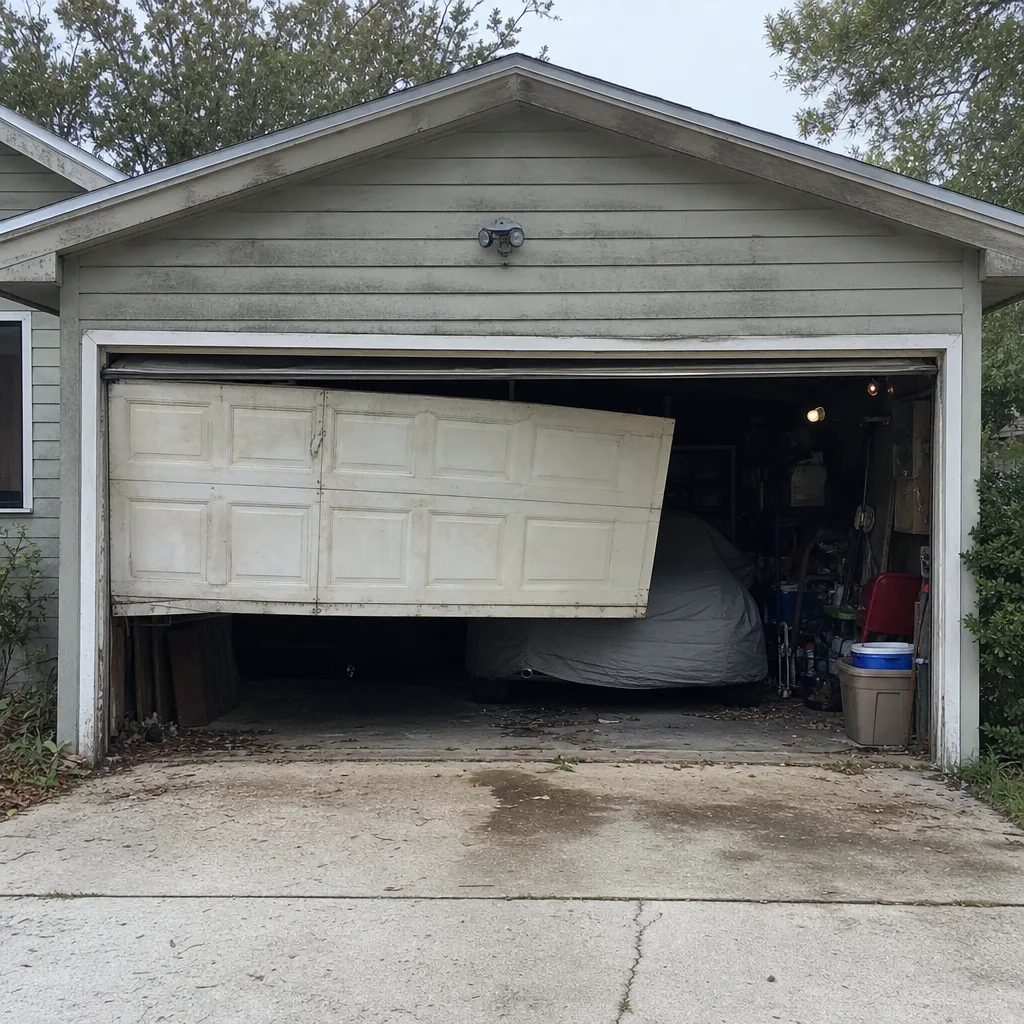 Before
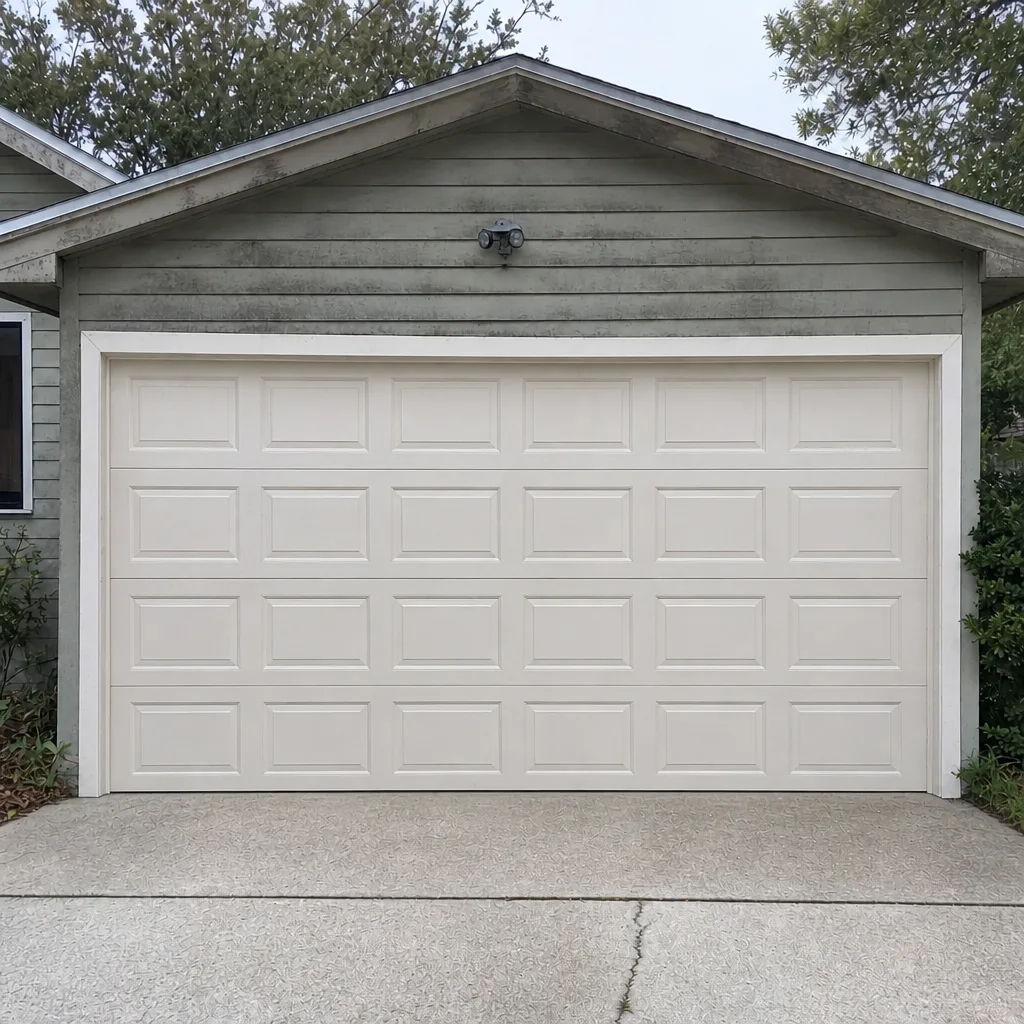 After
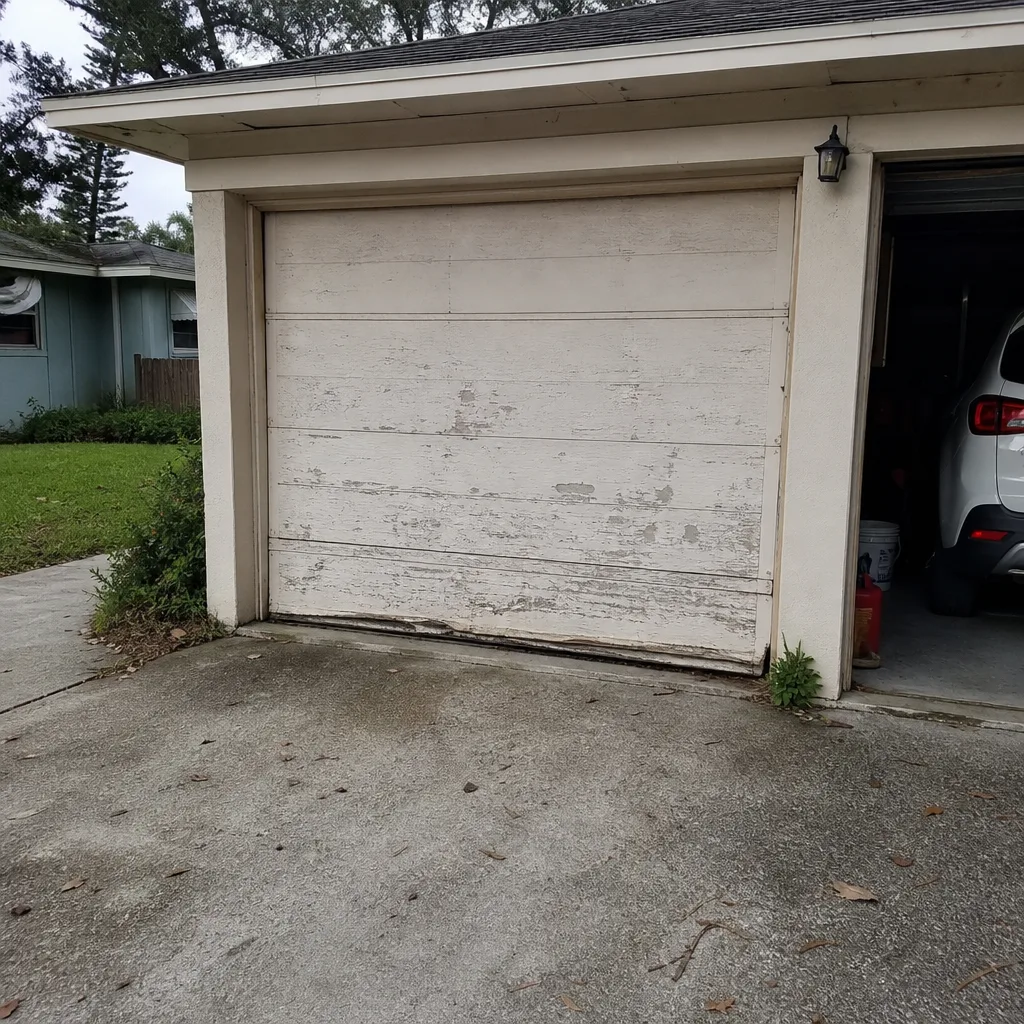 Before
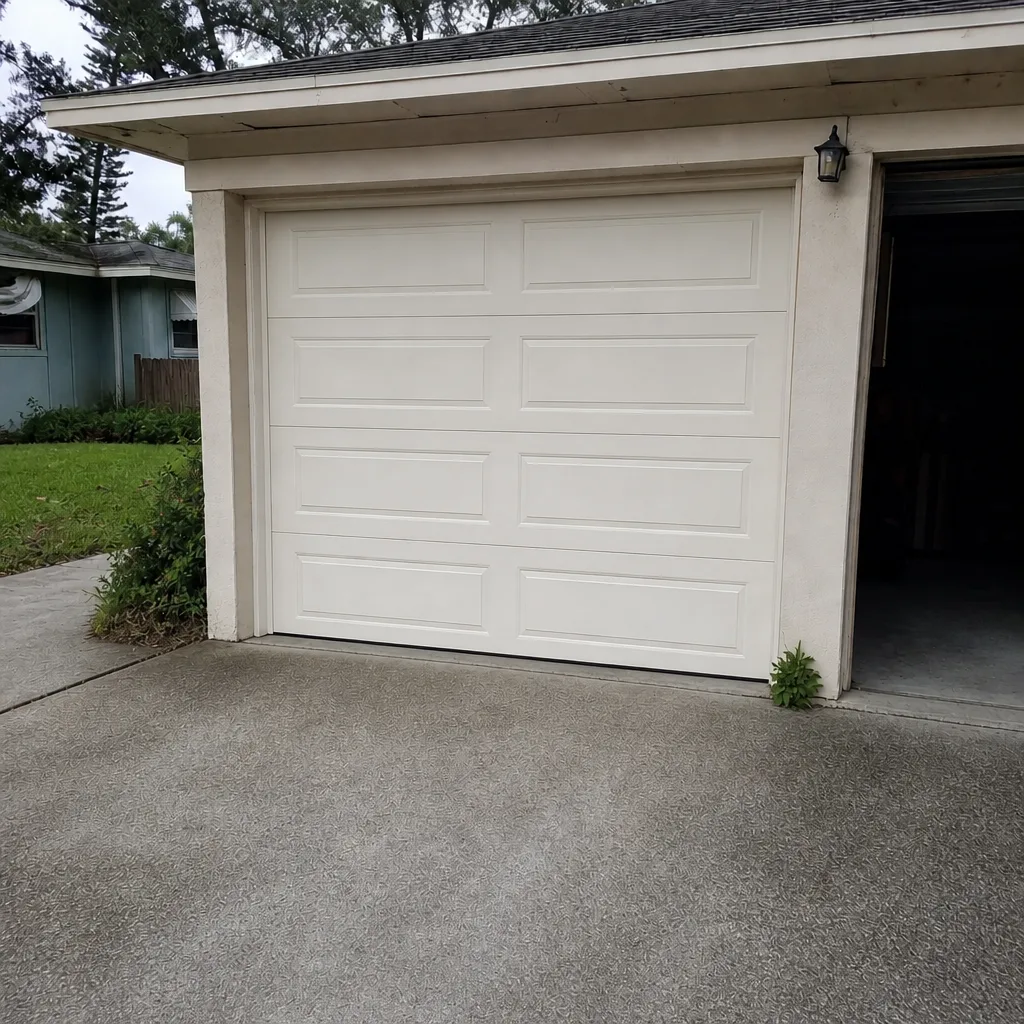 After
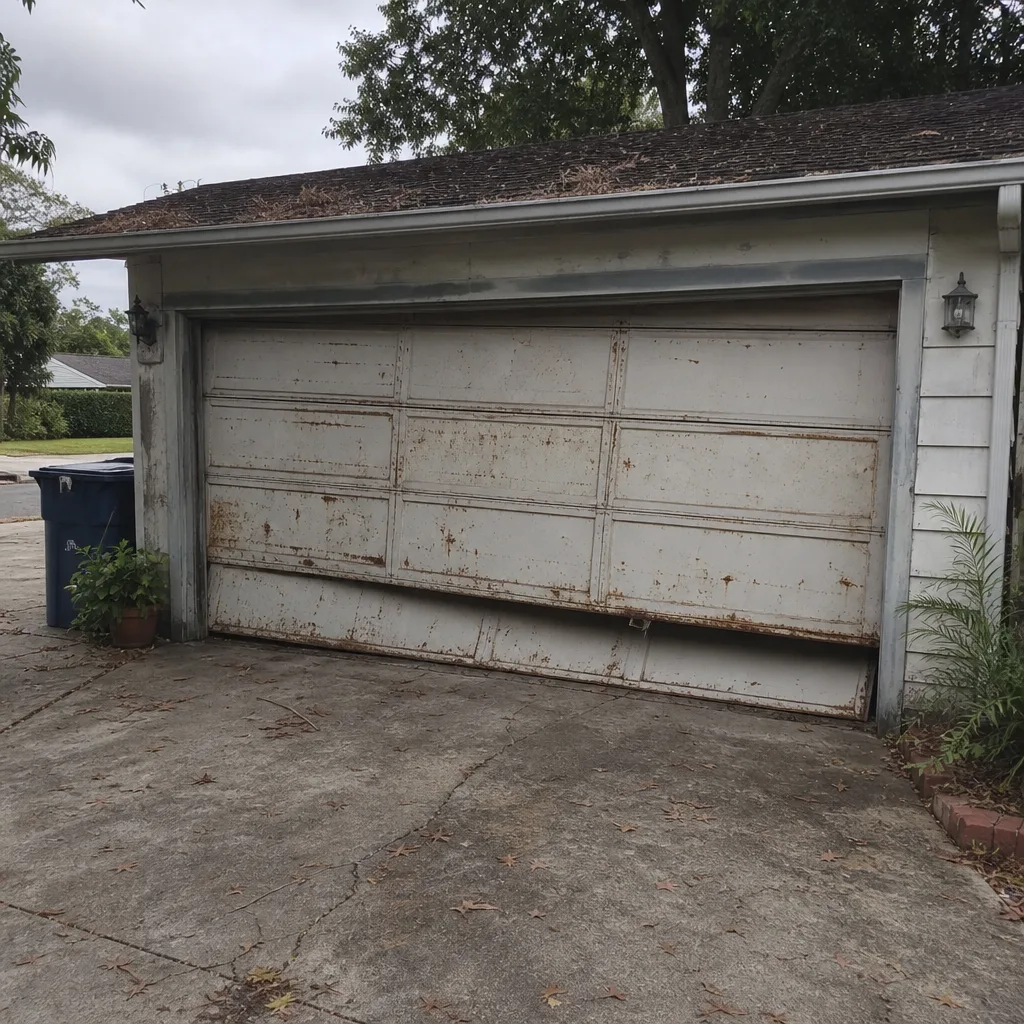 Before
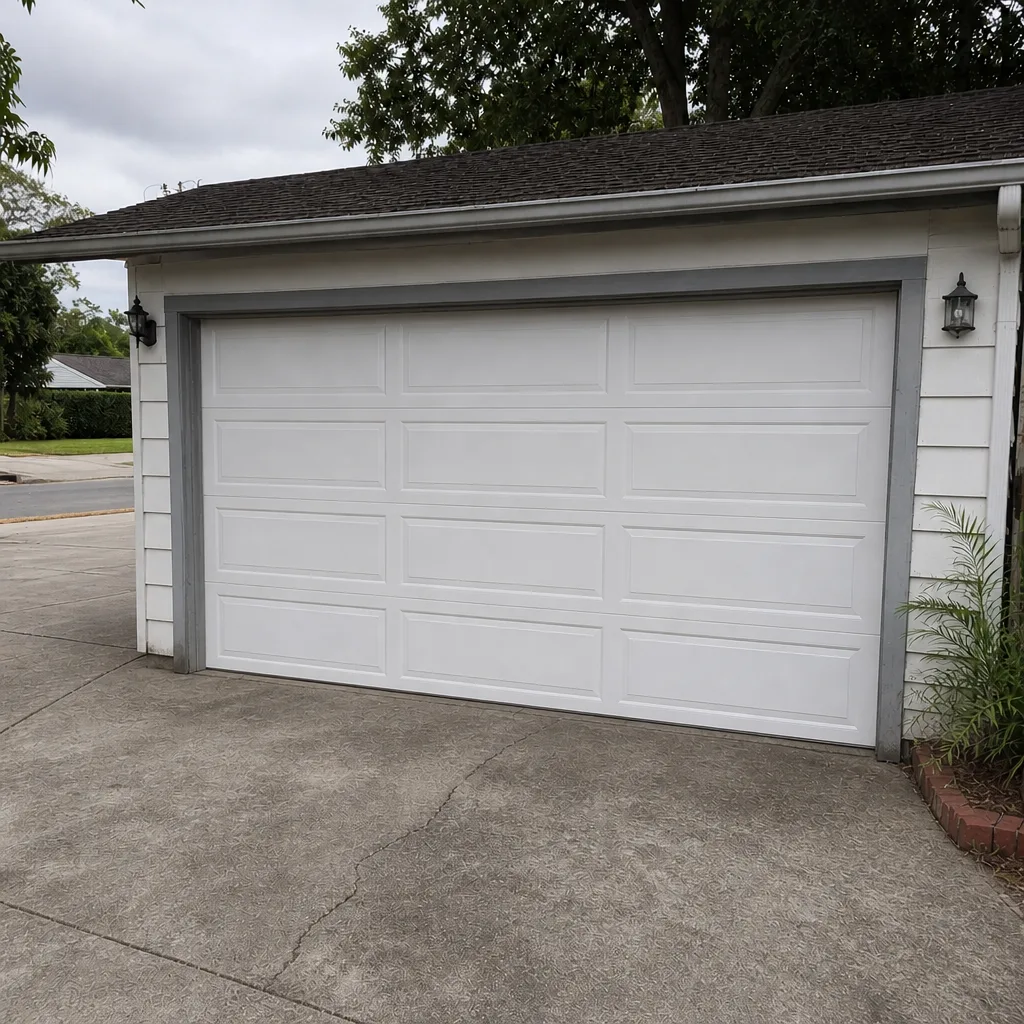 After
When to Call a Professional
Call us when a spring has broken with the door up, when the door is stuck open or partway and won’t move, when the opener runs but the door doesn’t, when you’re locked out and can’t reach the manual release, when a door shows flex or damage ahead of a storm, or when the door won’t close after a power outage and the sensor check hasn’t fixed it. These are the situations where a trained technician with brand-specific knowledge saves you time, money, and risk. If you’re unsure whether your situation qualifies, call and describe it – we’ll tell you honestly. Garage Door Repair Old Northeast offers free estimates in Old Northeast, and the price is quoted and agreed before any work starts. Call (877) 492-1990.
Frequently Asked Questions
Check the opener’s power and the safety sensors first, then use the manual release with the door fully down if the door still won’t open. Before pulling the release, confirm the door is down – pulling it with the door up can drop the door. If the door feels extremely heavy after releasing it, a spring is likely broken and you should call a specialist.
Yes. Pull the manual release cord hanging from the trolley with the door fully down, then lift the door by hand and re-engage the trolley before power returns. If your LiftMaster opener has a battery backup, the door may still cycle during an outage, so test that before storm season.
Close and lock the door, engage any manual lock bar, and add vertical 2×4 bracing at the door’s stiles if the door is older or shows flex. Clear loose items from the garage and check the tracks and hinges for damage beforehand. Bracing is temporary; a door already sagging or cracked should be inspected or replaced before storm season, not the day before landfall.
No. Garage door springs store enormous energy under load, and the cables and hardware can whip if released incorrectly. Spring replacement is one of the most hazardous repairs in the trade and requires specific tools and training. Call a specialist – we offer spring repair as a dedicated service.
Have five things ready: the door’s position (down, up, or stuck partway), your opener brand and model, what you hear and see when the door moves, whether anyone is trapped or the car is blocked, and your address with access details. Those five facts shorten the call and get a technician moving faster.
We work on the brand you have. We’re certified to work on LiftMaster, Chamberlain, Genie, Clopay, Amarr, Wayne Dalton, Craftsman, and Raynor, so we diagnose and fix the equipment already in your Old Northeast home rather than steering you toward a brand we prefer to sell.
The Bottom Line
Garage door emergency preparedness in Old Northeast comes down to two plans: one for a sudden failure and one for a forecasted storm. For the sudden failure, know where your manual release cord is, pull it only with the door fully down, and call when a spring is gone or a door is hanging. For the storm, brace a sound door, lock it down, and inspect it well before landfall rather than the day of. Keep a small kit, have your brand and model written down, and know which is a real emergency and which is a repair you can schedule. That’s the whole plan. If you need help with any of it, our team is a call away.
If your garage door has failed or you’re preparing ahead of storm season, call Garage Door Repair Old Northeast at (877) 492-1990 for a free estimate. The price is quoted and agreed before any work starts, and our technicians handle springs, openers, repairs, and installations from the spring to the opener.
Written by the team at Garage Door Repair Old Northeast.