Last updated November 22, 2026
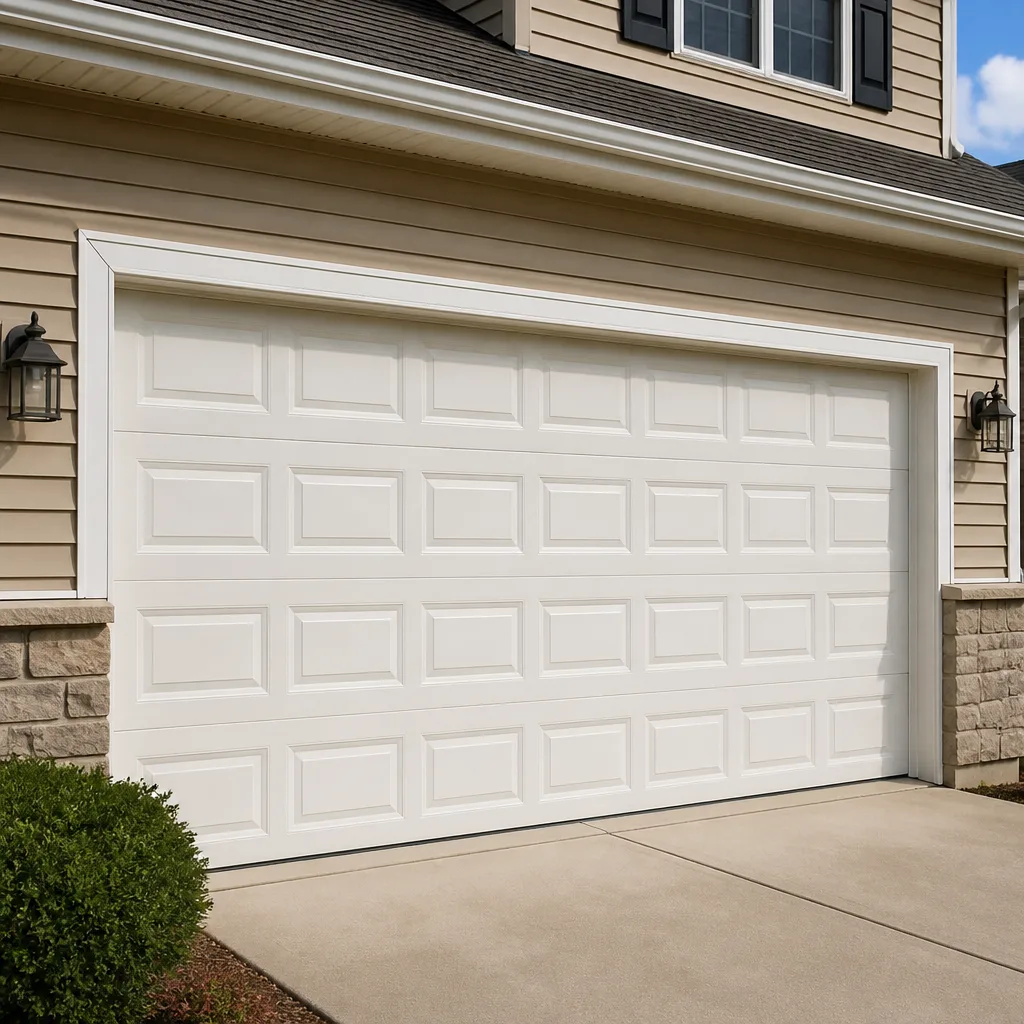 Raised-panel steel
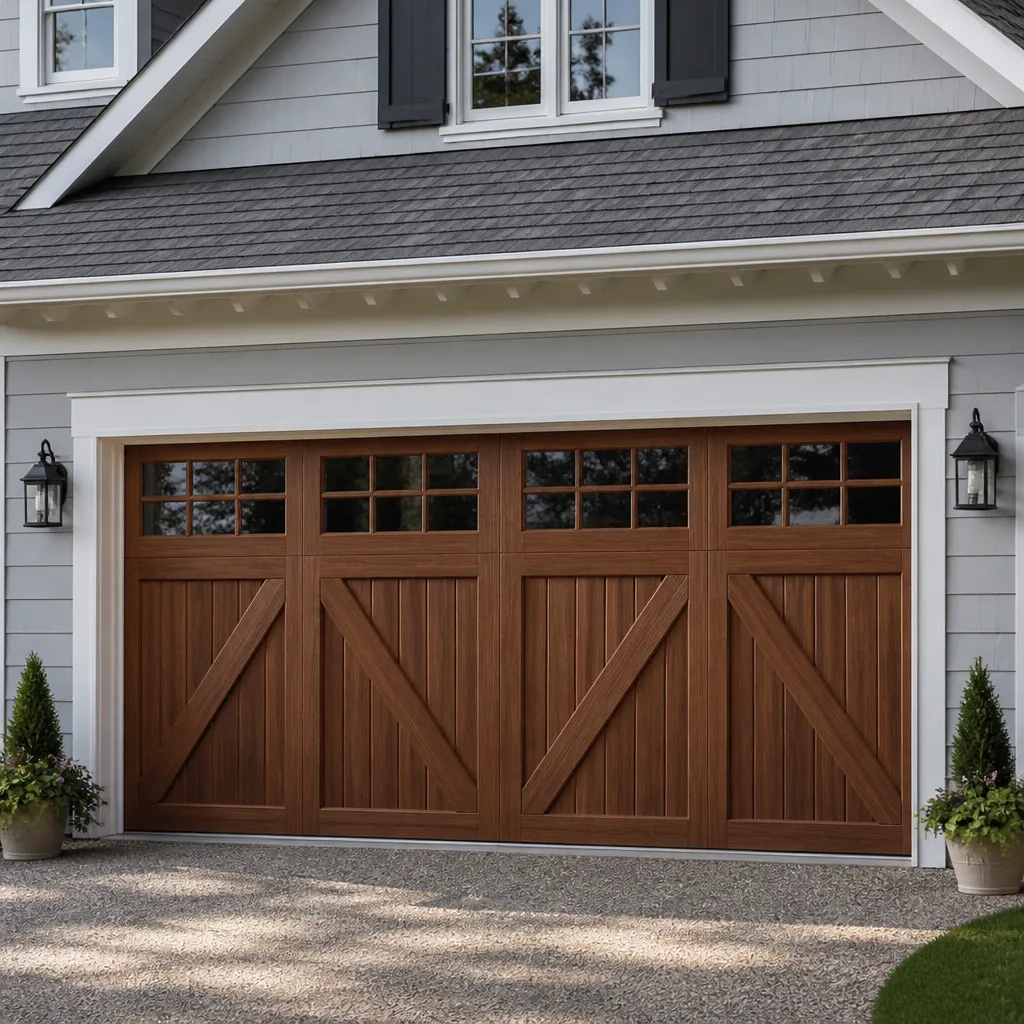 Carriage house
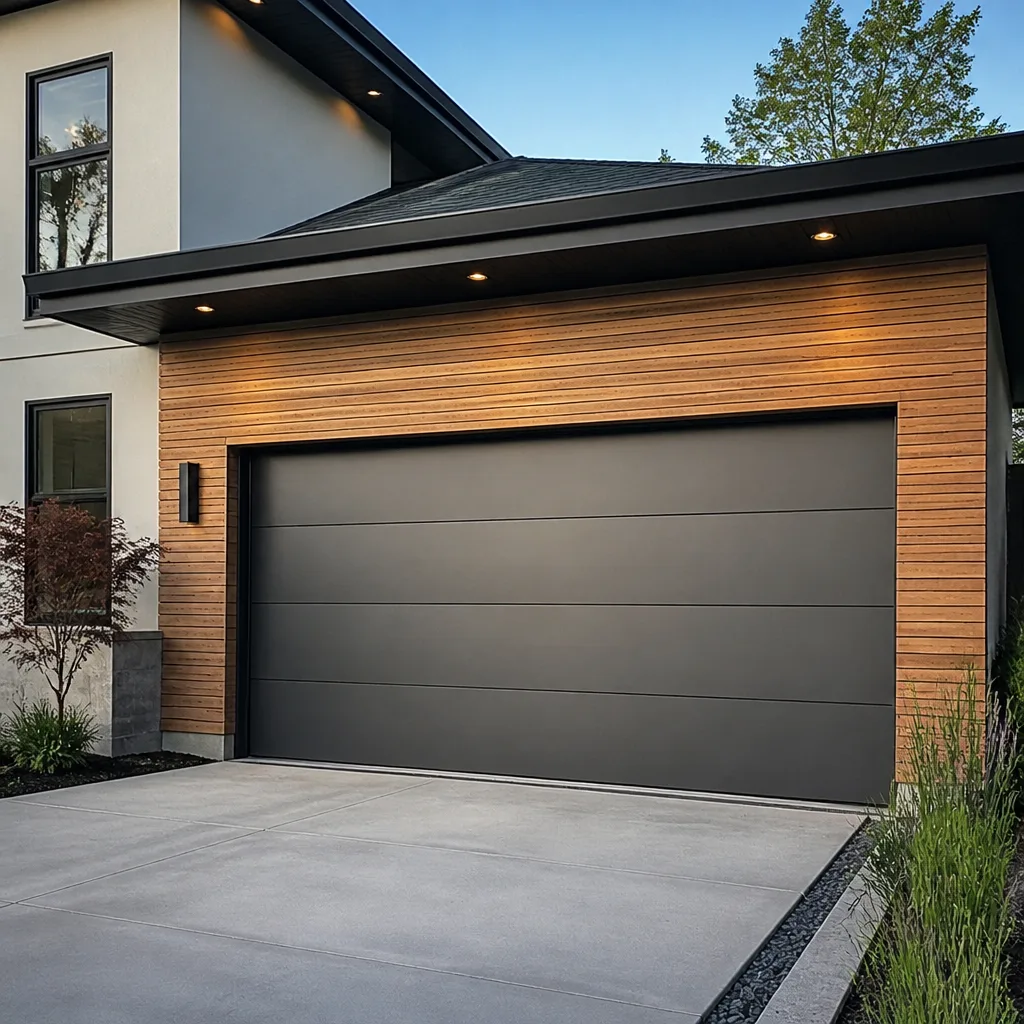 Modern flush
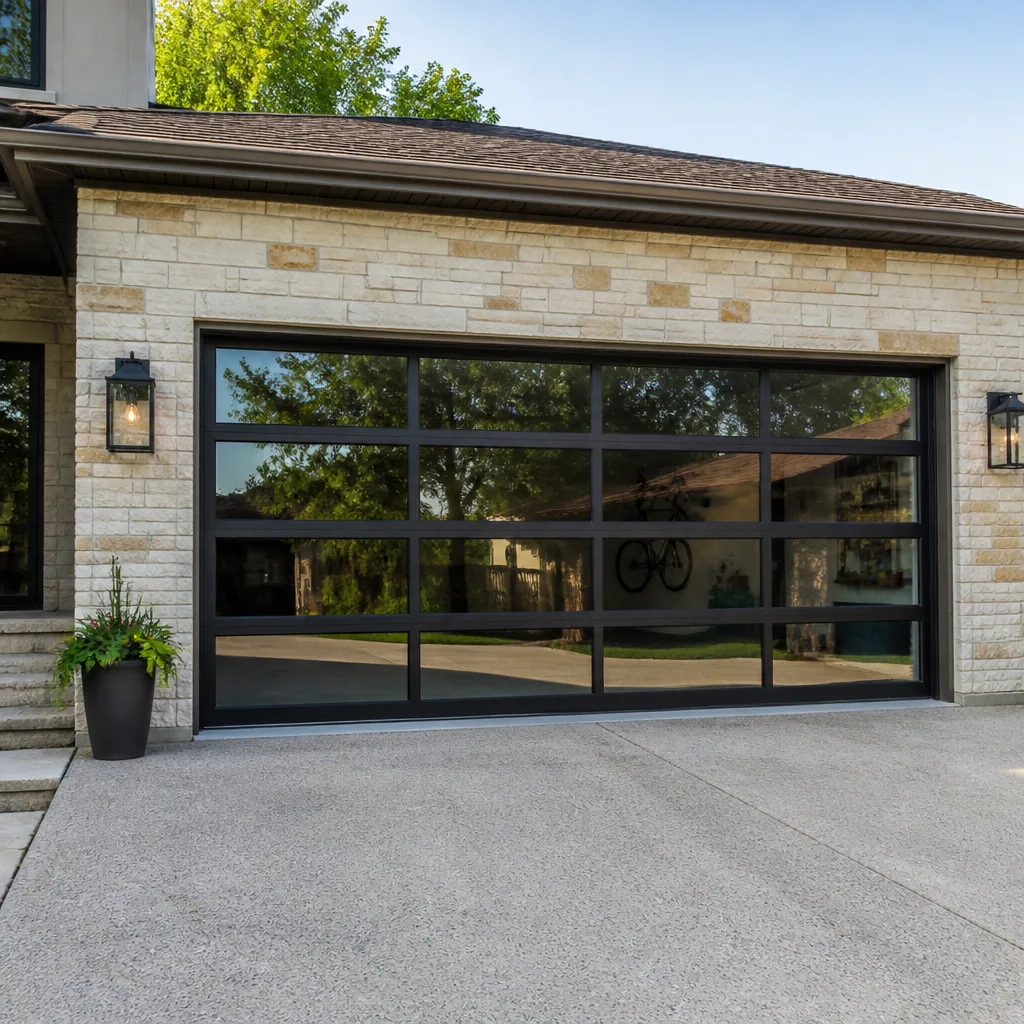 Full-view glass
 LiftMaster openers
 Chamberlain openers
Full 25-point door and opener safety check with every visit - springs, cables, rollers, tracks, and your LiftMaster or Chamberlain opener included
You get a price before we start. It does not change when the pro arrives.
Get your free estimateDIY vs Professional Garage Door: The Old Northeast Homeowner’s Decision Guide
Most garage door advice online is split between two unhelpful extremes: “you can fix anything with a screwdriver and a video” and “never touch it, call a pro.” Neither is true, and both are expensive in different ways. Here’s the part nobody says out loud. A torsion spring under tension holds enough stored energy to throw a winding bar through drywall, and that’s not a scare tactic, it’s the physics of a wound spring. But plenty of garage door tasks carry no such risk, and a prepared homeowner can handle them in an afternoon. This guide draws the line clearly, task by task, with the Old Northeast homeowner in mind, so you know which jobs are safe to try and which ones genuinely aren’t.
Quick Answer
Some garage door jobs are genuinely safe for a careful homeowner: lubricating rollers and tracks, replacing a weather seal, re-engaging a disconnected opener trolley, and wiping down and rebalancing remote controls. The jobs that involve torsion springs, cables, and the door’s counterweight system are not DIY territory, because the risk is stored mechanical energy, not just inconvenience. Old Northeast homeowners should also remember that on a Florida-wind-rated door, unpermitted DIY changes to rated components can create code-compliance problems down the road. For anything involving springs, cables, or a failed torsion system, call a trained technician.
Styles & brands we work with
- Raised-panel steel
- Carriage house
- Modern flush
- Full-view glass
- LiftMaster openers
- Chamberlain openers
Table of Contents
- Where the DIY Line Actually Falls
- Tasks That Are Genuinely Homeowner-Safe
- Tasks That Are Not DIY Territory
- What DIY Opener Installation Really Involves
- When Calling a Pro Saves You Money
- Florida Code and Wind-Rated Components
- How to Be a Smart Customer When You Do Call
- Common Mistakes to Avoid
Where the DIY Line Actually Falls
The DIY vs professional question isn’t really about skill level. It’s about two things: stored mechanical energy and liability consequences. A garage door is one of very few things in a home that holds significant energy even when the power is off and the door isn’t moving. The counterbalance system (springs, cables, and the torsion shaft) is under constant tension every minute the door is down. That’s a different category of risk than replacing a light fixture.
The second factor is legal. In Florida, wind-rated garage doors and their components are part of the building envelope, and they’re subject to Florida Building Code compliance. Touching rated parts without understanding what’s rated and what isn’t can quietly void the compliance status of a door that was originally installed to meet wind-load requirements. This matters in Old Northeast, where the housing stock includes a lot of older bungalows and cottages that have been upgraded over the decades with modern wind-rated doors and hardware. If a rated component was added at some point, you want to be sure whatever you do next doesn’t undo it.
So the line isn’t “am I capable?” The real questions are: does this task involve the counterbalance system, and does it touch a rated component? If the answer to either is yes, that’s when you call a specialist. If both answers are no, you’re likely safe to give it a try.
One more thing worth stating plainly. Garage doors are all we do. So when we tell you a task is safe to attempt yourself, that’s not a sales pitch dodging a job. And when we tell you a task is dangerous, it’s because we’ve seen what those components do when they fail.
Tasks That Are Genuinely Homeowner-Safe
These are the jobs a careful homeowner with basic tools can handle. None of them involve the counterbalance system, and none of them touch rated components. If you’re the type who likes to keep a door running smoothly between professional service calls, this is your list.
- Lubricating rollers, hinges, and the torsion shaft bearings. A garage-door-specific lubricant on the moving metal parts quietens a noisy door and slows wear. Do not lubricate the tracks themselves.
- Cleaning the tracks. Wipe out grit and debris with a damp rag. Don’t grease the tracks; they’re meant to run dry.
- Replacing the bottom weather seal. The rubber strip along the bottom of the door pulls out and slides back in on most models. No tension involved.
- Re-engaging the opener trolley. If the manual release was pulled and the door won’t re-connect to the opener, re-engaging the trolley is a documented, safe procedure on most openers.
- Testing the safety reversal. Put a small block of wood on the ground in the door’s path and confirm the door reverses on contact. This is a monthly check every homeowner should do.
- Checking the photo-eye alignment. If the opener won’t close, dusty or misaligned safety sensors are a common cause. Wiping the lenses and nudging them back into alignment fixes most of these.
- Programming remotes and keypads. This is a manual-and-a-ladder job, not a repair.
What all of these share: you can do them with the door closed and the opener unplugged, and you never put your hands anywhere near a spring, cable, or winding cone. That last point is the safety fence. If a task would put your hands near a tensioned component, stop and read the next section.
Tasks That Are Not DIY Territory
These are the jobs where the risk is mechanical energy, and no amount of instructional video changes the physics. The specific reason this matters in a garage door is that the counterbalance system is loaded even when the door is sitting still. A torsion spring that’s winding or unwinding can release that stored energy in a fraction of a second, with forces that will seriously injure a person who is in the wrong position. The winding bars, cables, and cones involved are not designed to be handled without training and the right tools.
The following jobs should be handled by a technician:
- Replacing or adjusting torsion springs. This is called out separately because it’s the single most dangerous job in the trade. Adjusting a spring is not a matter of turning a bolt; it involves loading and unloading the counterweight, and doing it wrong can fail catastrophically.
- Replacing extension springs. Older doors with extension springs running alongside the tracks carry the same risk when they snap during service. Do not handle them without training.
- Tensioning or replacing cables. A cable under load can whip. It also can carry the full weight of the door the moment it lets go.
- Replacing a snapped spring on a door that won’t open. A door with a broken spring should not be operated at all. The opener will try to lift the full door weight and can damage itself.
- Adjusting the door’s balance. If the door drifts down on its own or feels heavy, that’s a counterbalance issue, not a lubrication issue.
- Straightening a bent or dragging door. This often involves loosening tensioned components you can’t see.
- Resetting a door that’s jumped its track. Re-seating rollers while the door is loaded can cause the door to drop.
If you’re facing any of these in Old Northeast, call a specialist. Our technicians have up to 9 years of experience, and the reason we lead with spring repair as a named service is that it’s the repair homeowners should not touch. The cost of a spring replacement is a small fraction of the cost of a hospital visit.
What DIY Opener Installation Really Involves
Opener installations look simple in the kit instructions. In practice, the gap between the manual and the home is where most DIY installs get into trouble. An opener that’s being installed on an older home’s structure is not being installed on a featureless box; it’s being installed onto a garage ceiling and framing that may not match the assumptions in the manual.
Here’s what the instructions tend to leave out:
- Header attach points. The opener’s rail bracket mounts to the ceiling framing above the door. On an older Old Northeast home, that framing may be spaced differently than a modern install assumes, or may not have a proper header in the right location. That gap gets solved by field judgment, not by following the diagram.
- Wall bracket location. The wall-mounted control and safety sensor placement needs to work with your specific door and your specific wall. A sensor mounted two inches too high won’t pass the safety reversal test and will cause the door to reverse erratically.
- Door-to-opener compatibility. Openers vary by brand and model in how they handle a door’s weight, whether they offer a battery backup, and what door height and weight limits they assume. A kit that fits a lightweight door can struggle with a heavier, older door.
- Electrical. If a new opener needs a new outlet or a relocated one, that’s an electrician’s job, not the opener’s.
- Balance and force settings. The opener has to be tuned to the door, and if the door itself is out of balance you’ll be masking a mechanical problem with a force setting. That’s a bad trade.
None of those points make DIY opener installation impossible on a straightforward, newer home with a matching kit. They do explain why, in a neighborhood of older homes, an installation can go smoothly right up to the moment it doesn’t. If your door is a Clopay, Amarr, or Wayne Dalton, or your opener is a Genie, we’re familiar with the equipment you already have, which matters more than most people expect on an install. We work on the brand you have, not just the brands we’d like to sell you. If you’d rather have it drilled, mounted, and tuned in one visit, our team handles garage door installation and will measure before committing to a price.
When Calling a Pro Saves You Money
This is the question homeowners ask most, and the honest answer is that it depends on the job. On some tasks, DIY saves you the cost of hiring someone and nothing else. On others, DIY costs more than hiring a pro because the wrong repair damages something else. Here’s how the two categories split.
When professional service genuinely saves money:
- Spring replacement. A failed DIY spring attempt can bend a torsion tube or tear a cable, which turns a spring job into a bigger repair. Springs are also where the injury risk sits. A trained tech does it correctly in one visit.
- Opener replacement. A mis-installed opener can damage the door’s panels, the rail, or the door’s balance over time. The savings from opting for DIY on a full opener swap is usually smaller than the cost of a second repair.
- Door-wide issues. If the door is drifting, scraping, or dragging, the cause is often counterbalance and the diagnosis is the hard part. A specialist diagnoses it correctly the first time rather than replacing parts speculatively.
- Wind-rated components. If you’re not sure what’s rated and what isn’t, an hour of professional advice is cheaper than a compliance headache.
When DIY is purely a convenience premium reversed:
If the job is a weather seal, a sensor alignment, a lubrication pass, or a remote programming fix, calling a pro is fine, but you’re paying for the visit, not for risk reduction. Any honest garage door company will tell you the same. On those jobs, the money-saving answer is to do it yourself.
Around Old Northeast, the price of a routine visit is worth correcting in people’s minds. Estimates should always be free, and the written estimate should spell out the parts and labor before any work starts. If a quote doesn’t include a line-item range, ask for one. Upfront pricing isn’t a promise of cheap work; it’s a promise that the number you agree to is the number the technician works to.
Florida Code and Wind-Rated Components
Florida Building Code matters to this decision in a way it doesn’t in most other states. Wind-rated garage doors and their rated components (the door itself, its reinforced panels, and its attachment hardware) are part of a home’s wind-load design. When a rated component is replaced or modified with an unrated one, the code-compliance status of the whole assembly can be affected. That’s not something to solve by guessing.
The practical rules for a homeowner:
- Don’t replace rated components with unrated ones. If you’re swapping a panel, a strut, or a weather seal that was part of a rated assembly, use a rated replacement of the same or better specification.
- Ask what’s rated before you touch it. If you don’t know whether a part on your door is part of the original rated assembly, ask the city’s building department before you replace it. They can tell you what your permit status requires.
- Keep records. If a component was rated when installed, keep the documentation. It matters if you ever sell, refinance, or have an inspection.
- Ask your insurer, not a garage door company, about insurance effects. We can help you understand your door’s components, but only your insurer can tell you what your policy requires.
Old Northeast has a mix of older and newer garage door installs, so the answers aren’t uniform from home to home. That’s why we don’t quote a single blanket policy. On a component-level job, the local pro should be able to tell you what your door was rated to and what a compliant replacement looks like. If they can’t, that’s a sign to ask more questions before you hire.
How to Be a Smart Customer When You Do Call
You’re going to call a professional for some jobs in this guide. That’s the right call on springs, cables, openers, and anything that touches rated components. But being a smart customer is not the same as being a suspicious one. It’s about asking the questions that keep you from overpaying without making the call harder than it needs to be.
The questions that matter in Old Northeast:
- What’s the diagnosis? A good technician will tell you what’s actually wrong, not just what needs replacing. If the answer is vague, ask a follow-up. Diagnosed right, fixed fast, is how a specialist works.
- Is the price per spring or per pair? Springs usually get replaced as a matched pair, so the price for a pair is roughly twice the price of one spring. A good quote says which you’re getting and why.
- What brand is my equipment? If you have a Genie opener or a Wayne Dalton door, the technician should recognize it and confirm they’ve worked on it before. “We’ll figure it out” is a warning sign.
- What does the written estimate include? Ask for parts, labor, and any cleanup or disposal fees to be spelled out. Then the final price should match the written number. That’s the point of getting it in writing.
- Is this job covered by a permit or rating requirement? For a full replacement, ask whether the local building department requires a permit. For a rated component, ask what rating the replacement carries.
- Do I need an emergency visit or a scheduled one? Emergency service is for the door that won’t move. A slow-scraping door or a noisy one is a scheduled repair. Being clear about which is which usually gets you a better price.
One more point that gets left out of most guides: you don’t need to know the word for the part to ask a useful question. “It only happens when the door is halfway up” is a perfectly good description of a symptom. The technician’s job is to translate it. Your job is to say what you’re seeing and hear the answer before agreeing to a number.
Common Mistakes to Avoid
- Trying to adjust a torsion spring yourself. This is the single most dangerous garage door repair, and it can be fatal. There are no shortcuts that make it safe.
- Operating a door with a broken spring. Running the opener against a door with no counterbalance can damage the opener and bend panels. Stop using it as soon as you know the spring is broken.
- Greasing the tracks to stop a noise. The tracks are meant to run dry. Grease attracts grit and can make the door drag.
- Replacing one spring of a pair. Springs wear at similar rates. If one has failed, the other is close behind. A matched pair avoids a second repair.
- Installing a wind-rated component from a kit without checking the rating. In Old Northeast, this can create a code-compliance problem that’s easier to avoid than to fix.
- Calling a general handyman for a spring or counterbalance job. This is a specialist repair. A generalist is not the right call for the counterbalance system.
- Accepting an estimate with no written line items. Ask for parts and labor in writing before the work starts, and confirm the final price will match the written number.
When to Call a Professional
Call a professional for anything involving torsion or extension springs, cables, the counterbalance system, or a door that’s off its track. Call for a full opener replacement, and call when you’re not sure whether a part is rated. Those are the jobs where a trained technician saves you money and risk at the same time. For a door that won’t move, that’s an emergency call, and it’s the reason we handle garage door repair as a core service rather than an add-on. Garage Door Repair Old Northeast offers free estimates in Old Northeast, with upfront pricing quoted and agreed before any work starts. Call (877) 492-1990 to book a visit.
See the difference
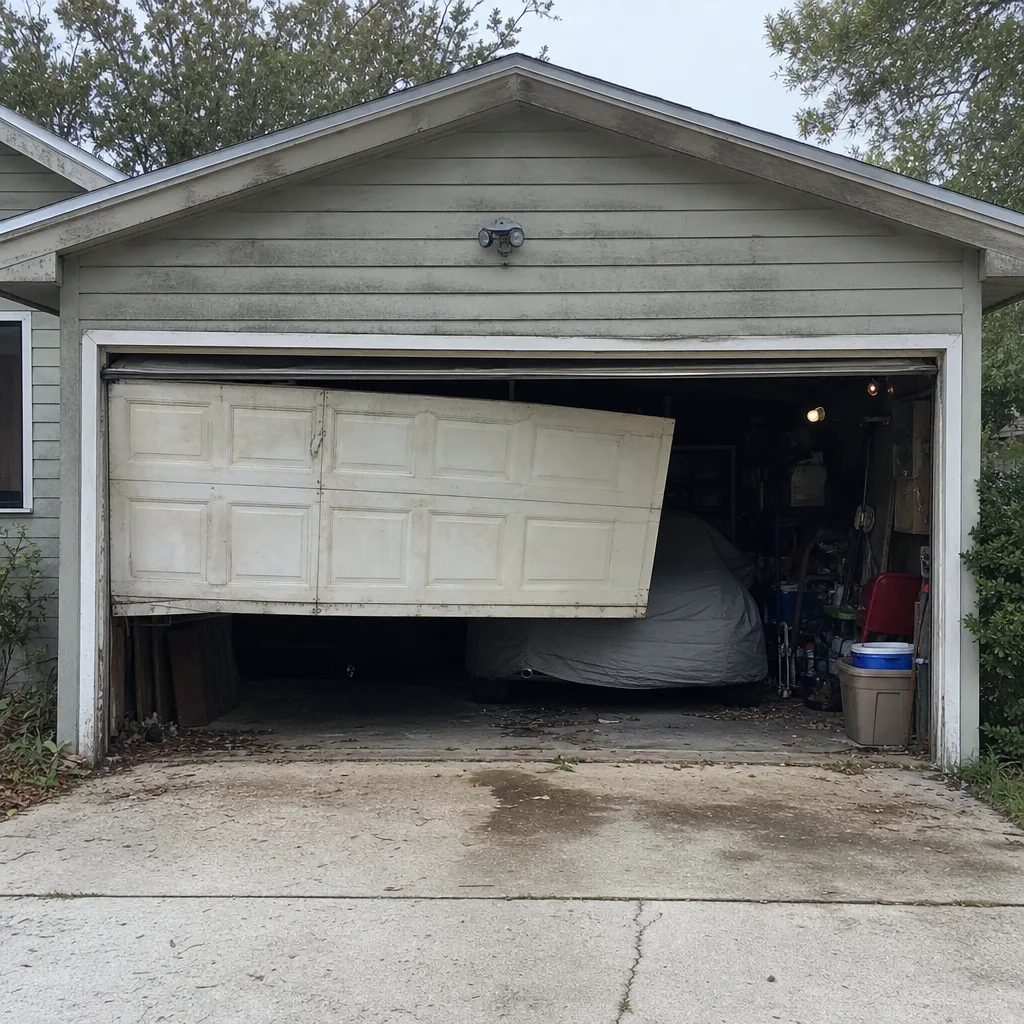 Before
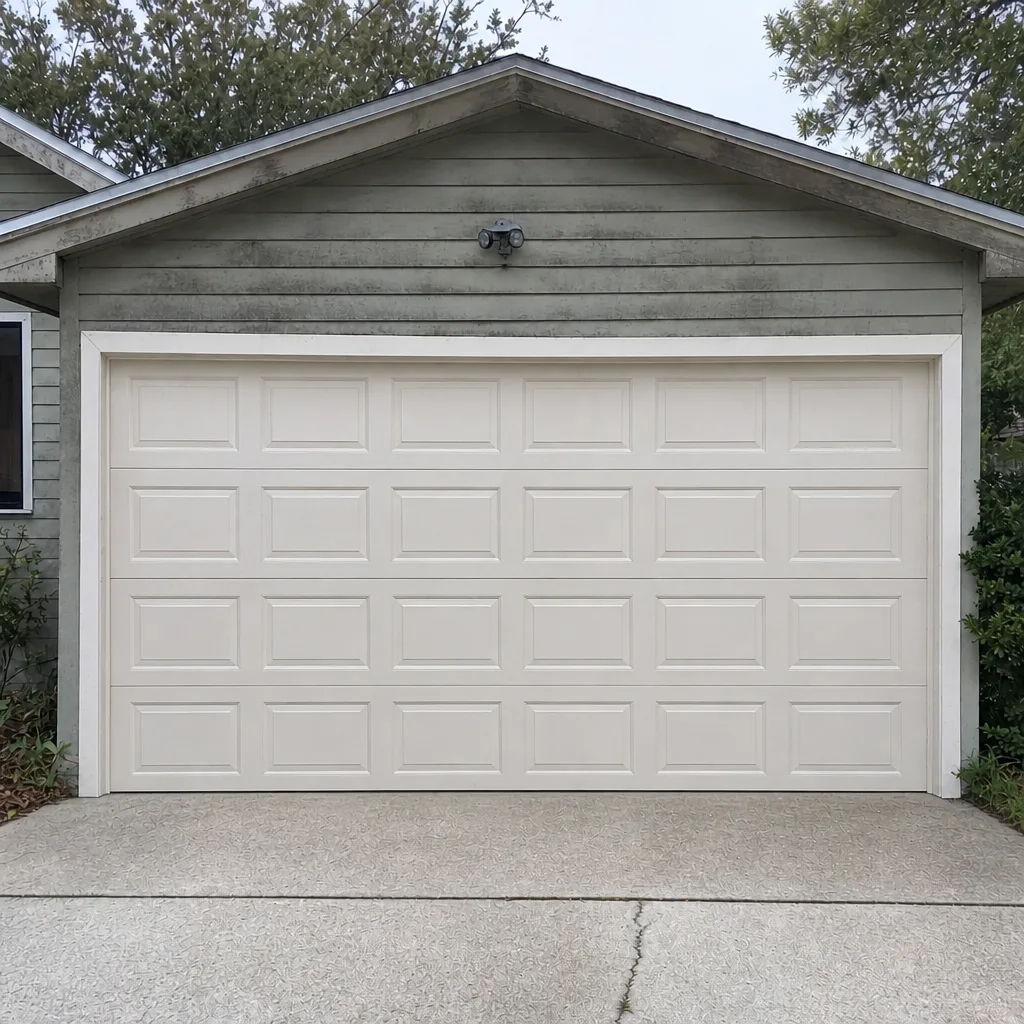 After
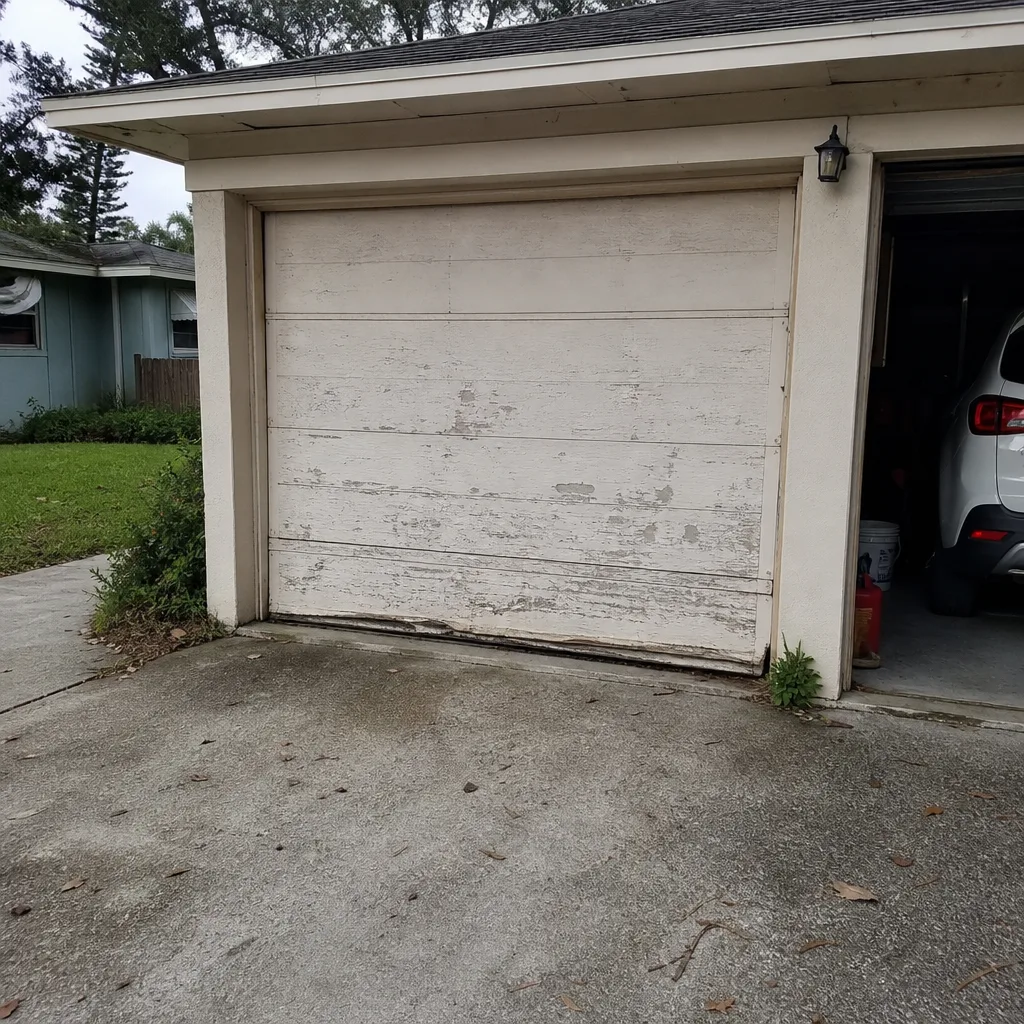 Before
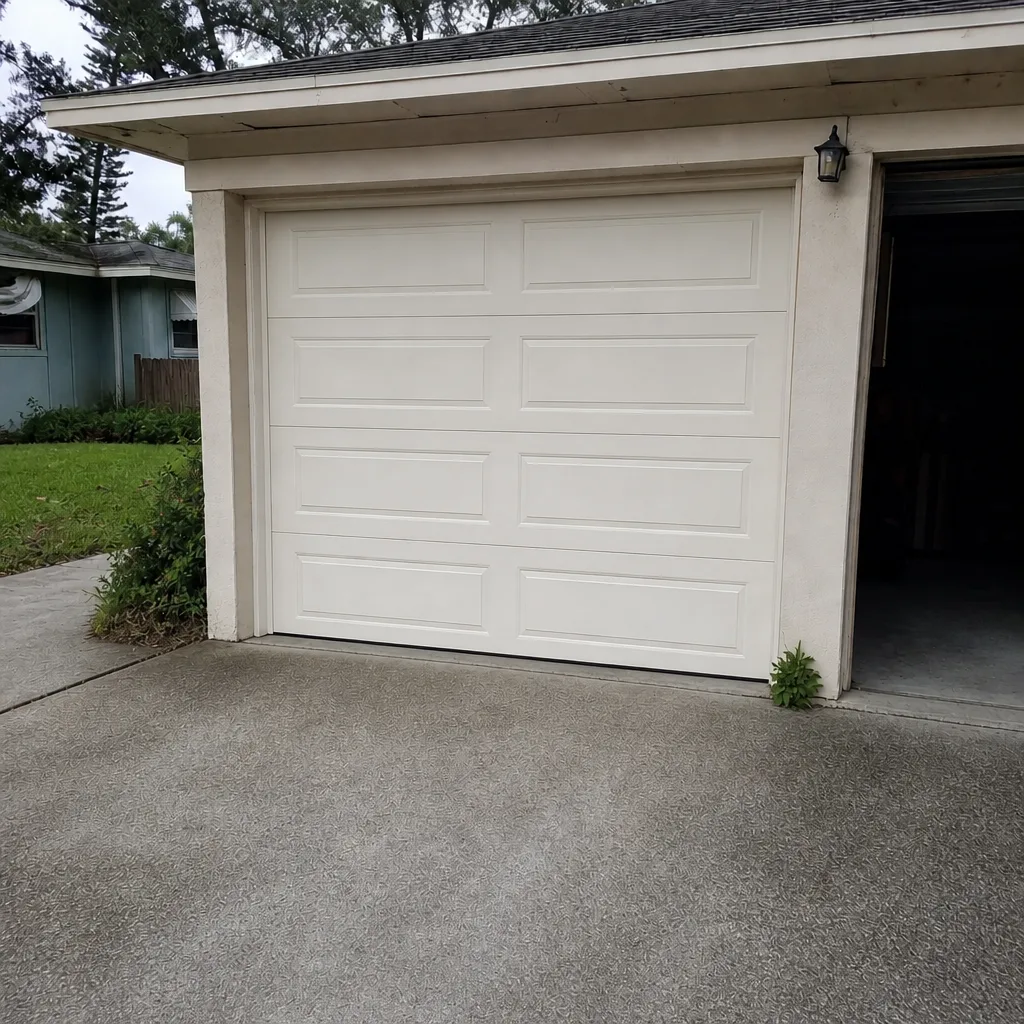 After
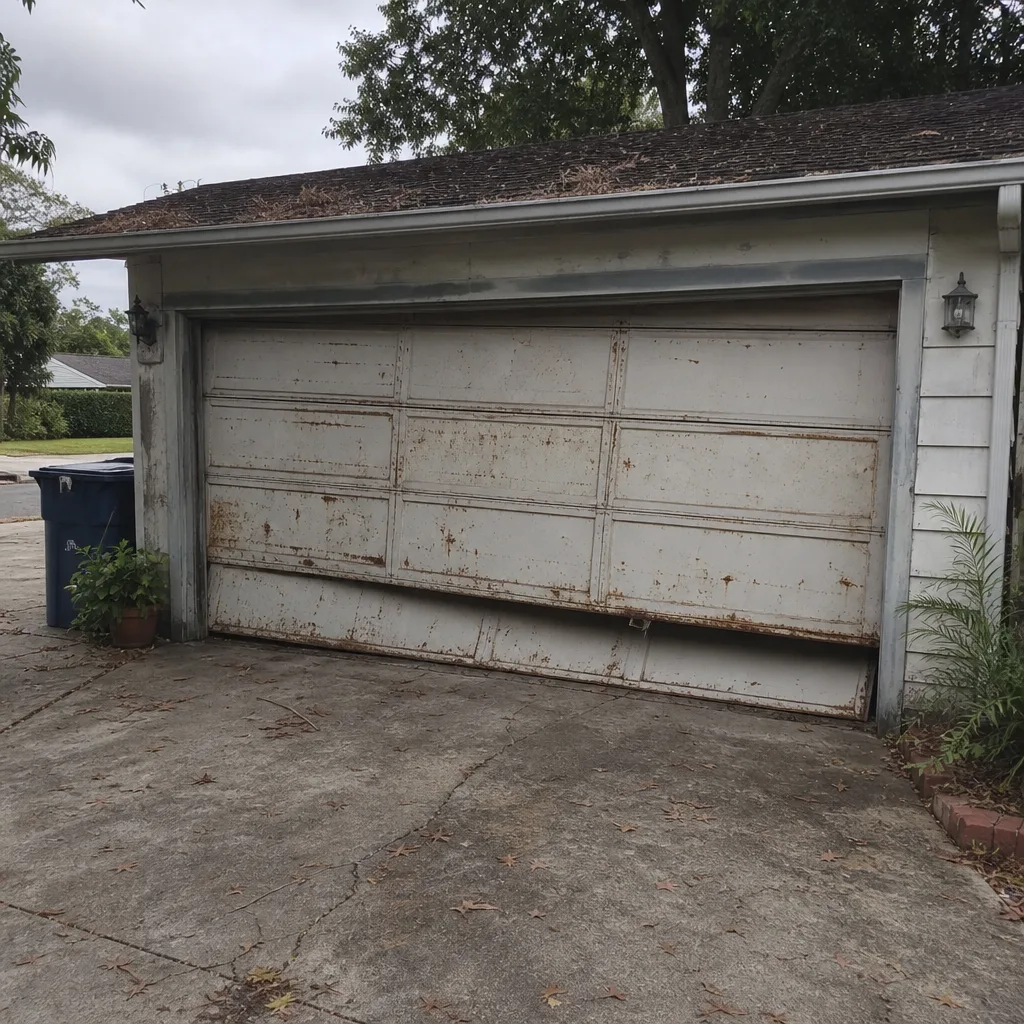 Before
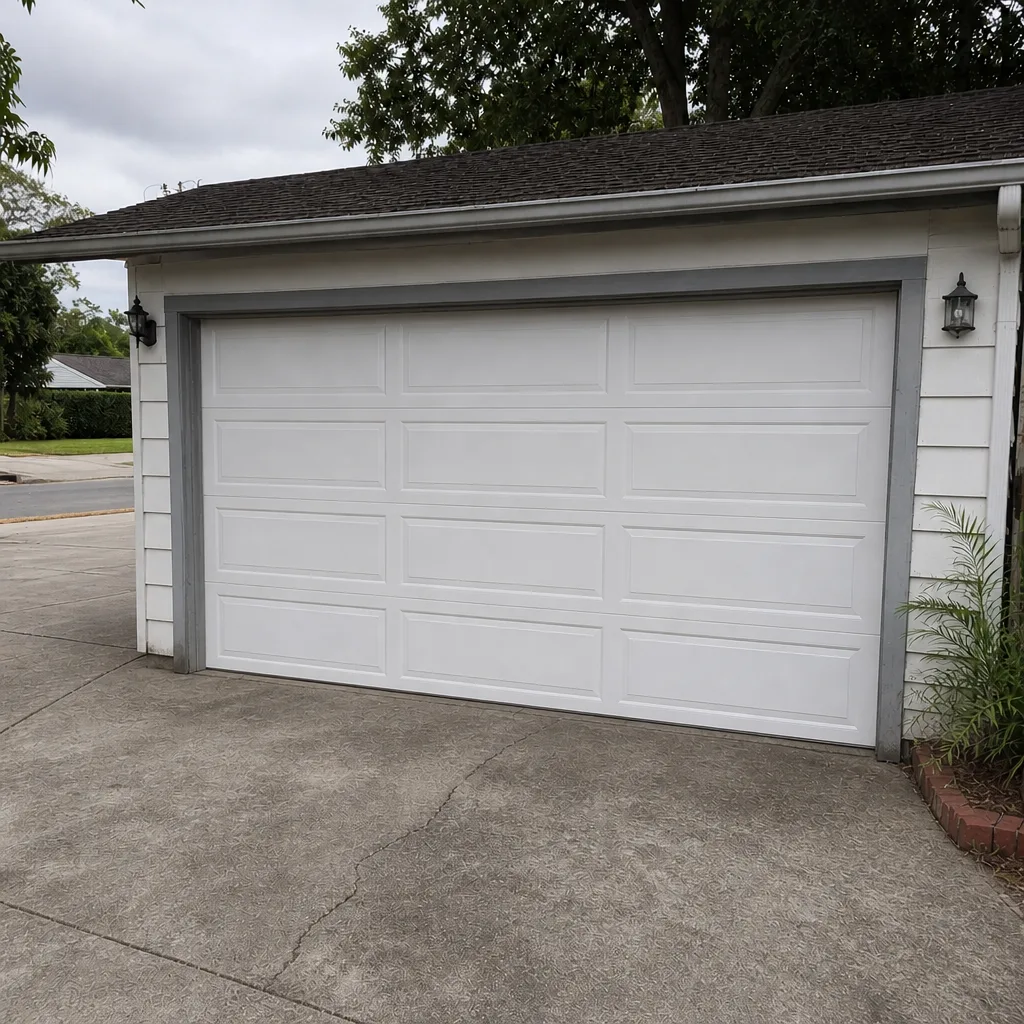 After
Frequently Asked Questions
No. Replacing or adjusting a torsion or extension spring is the most dangerous job in the trade, and the risk is stored mechanical energy, not inconvenience. Replacing a spring means loading and unloading a tensioned component, and there’s no safe DIY shortcut. Call (877) 492-1990 for a spring repair estimate, and stop using the door until it’s fixed.
DIY opener installation is cheaper on paper, but the savings often disappear on an older home, where the mounting and sensor placement don’t match the kit’s assumptions. A mis-installed opener can damage the door, the rail, or the balance over time, turning one job into two. We also handle garage door opener repair, so we can either install correctly or fix what a DIY install got wrong. Call (877) 492-1990 for a free estimate.
Lubricating rollers and hinges, cleaning the tracks, replacing the bottom weather seal, aligning the safety sensors, re-engaging the opener trolley, and programming remotes are all safe for a careful homeowner. None of them involve the counterbalance system. Anything that puts your hands near a spring, cable, or winding cone is not safe to attempt yourself.
Many replacements do require a permit because the door is part of the building envelope, but the requirement depends on your municipality and the specifics of your home. Ask Old Northeast’s local building department directly before you buy or install, and get the answer in writing. If you’re not sure whether a component on your existing door is rated, address that before you change anything. Call (877) 492-1990 and we can walk you through what to ask.
Only your insurer can answer that, and they’re the right people to ask. What we can tell you is that wind-rated garage door components are part of a home’s wind-load design, so changing a rated component to an unrated one can affect the compliance status of the assembly. Ask your insurer what your policy requires before you start, and ask the local building department what your permit status requires.
Look for a rating label on the door or the documentation from its original installation. If you can’t find either, ask the building department, and ask a specialist to inspect the components. It matters for repairs because replacing a rated part with an unrated one can undo the rating. Call (877) 492-1990 if you’d like a professional to tell you what you’re working with.
The Bottom Line
The DIY vs professional question isn’t really about capability. It’s about two lines: stored mechanical energy and code consequences. Lubrication, weather seals, sensor alignment, and remote programming are safe for a careful homeowner and save you a visit. Springs, cables, counterbalance, and full opener replacement are not, because the risk is what happens when the wrong component lets go. In Old Northeast, add one Florida-specific check to that list: if a part is wind-rated, know what it’s rated to before you replace it. If you’re on the wrong side of either line, the right move is a specialist who can diagnose it right the first time. Whether you do it yourself or call our team for garage door repair, the goal is the same: the door works, safely, and the price is agreed upfront.
Contact
If you’re not sure which side of the DIY line your job falls on, we’re happy to look. Garage Door Repair Old Northeast handles repair, springs, opener service, and installations for the brand you already own, and we’re here when your door won’t move. Call (877) 492-1990 for a free estimate. The price is quoted and agreed upfront, before any work starts, so you always know what you’re saying yes to.
Written by the team at Garage Door Repair Old Northeast.