Last updated November 22, 2026
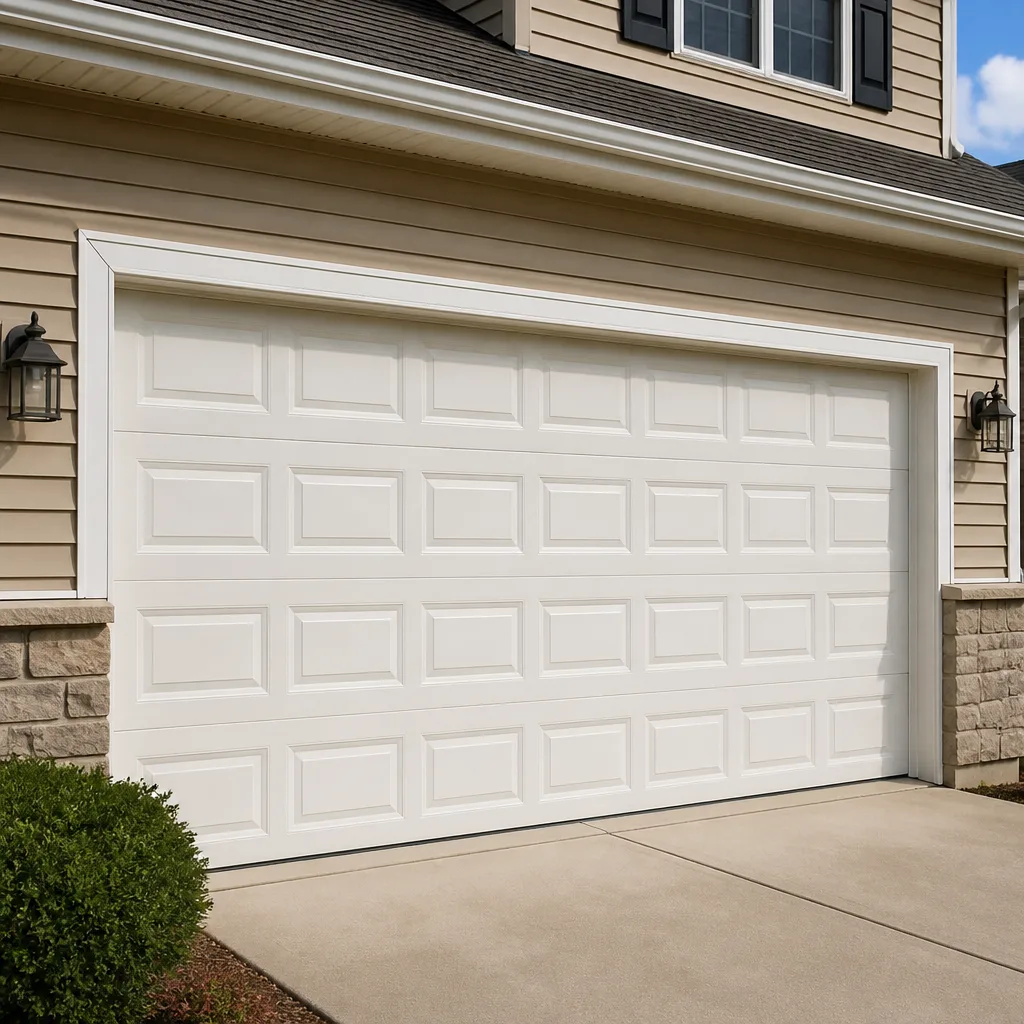 Raised-panel steel
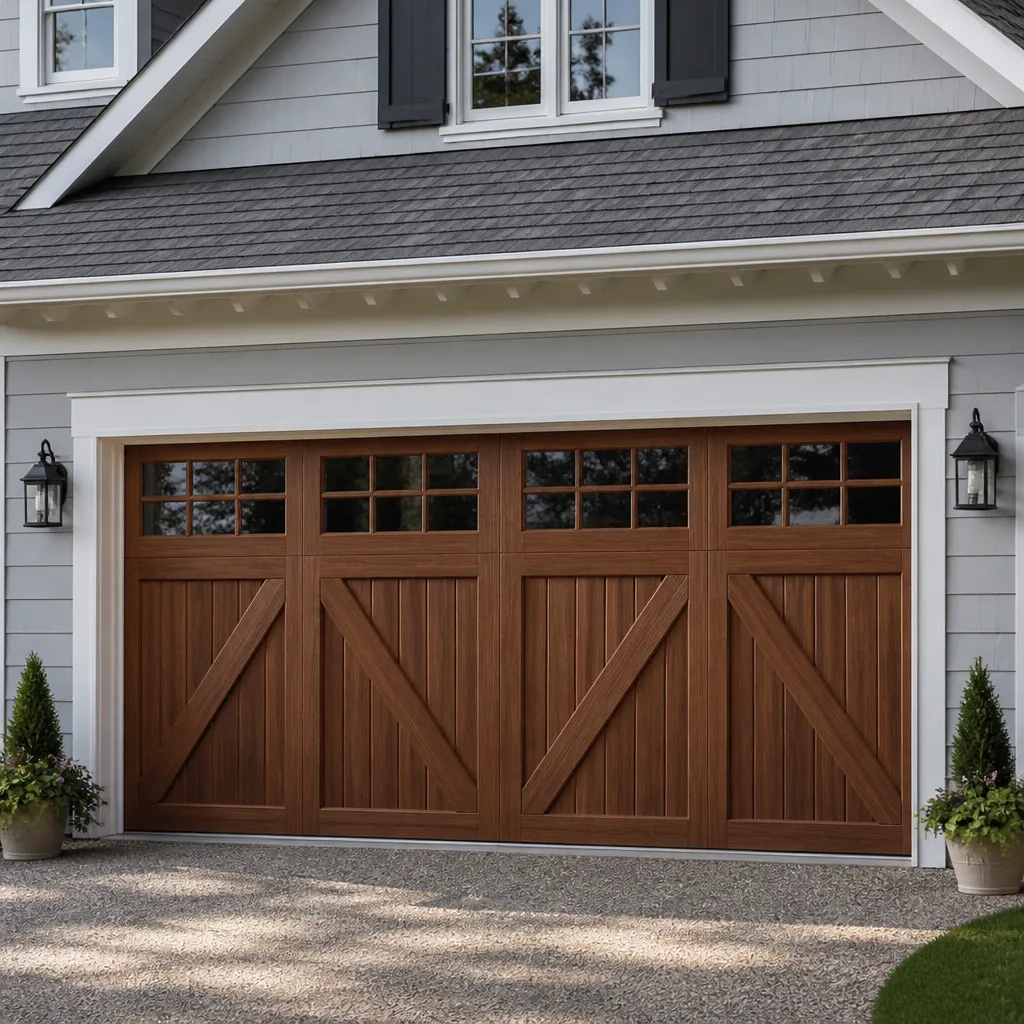 Carriage house
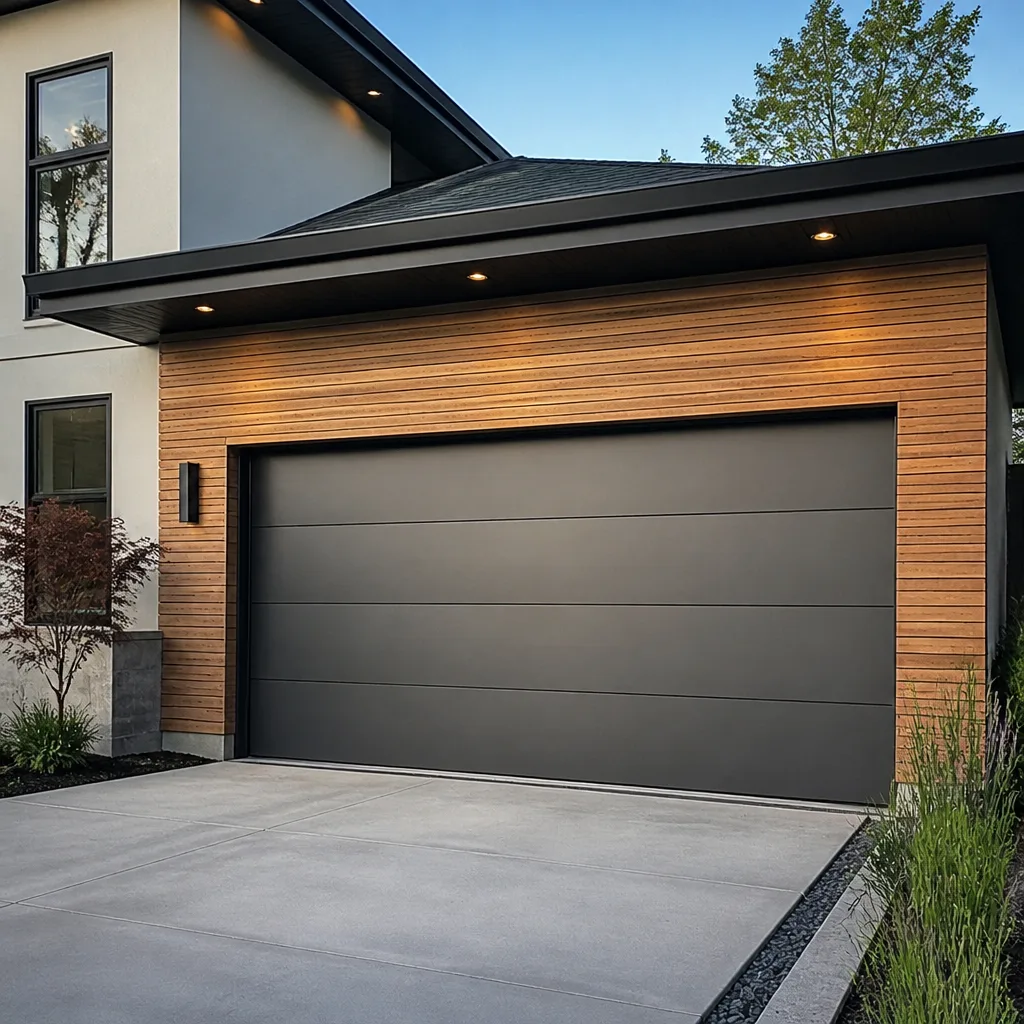 Modern flush
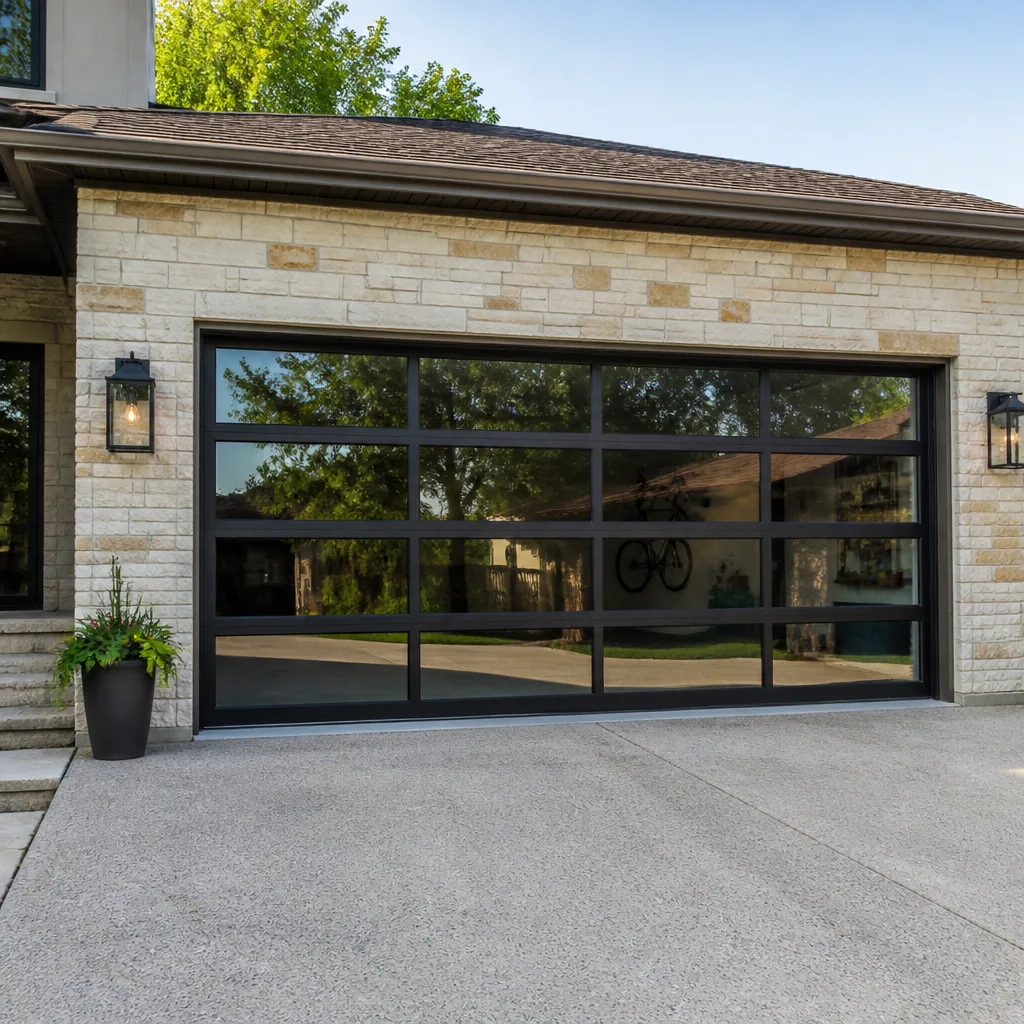 Full-view glass
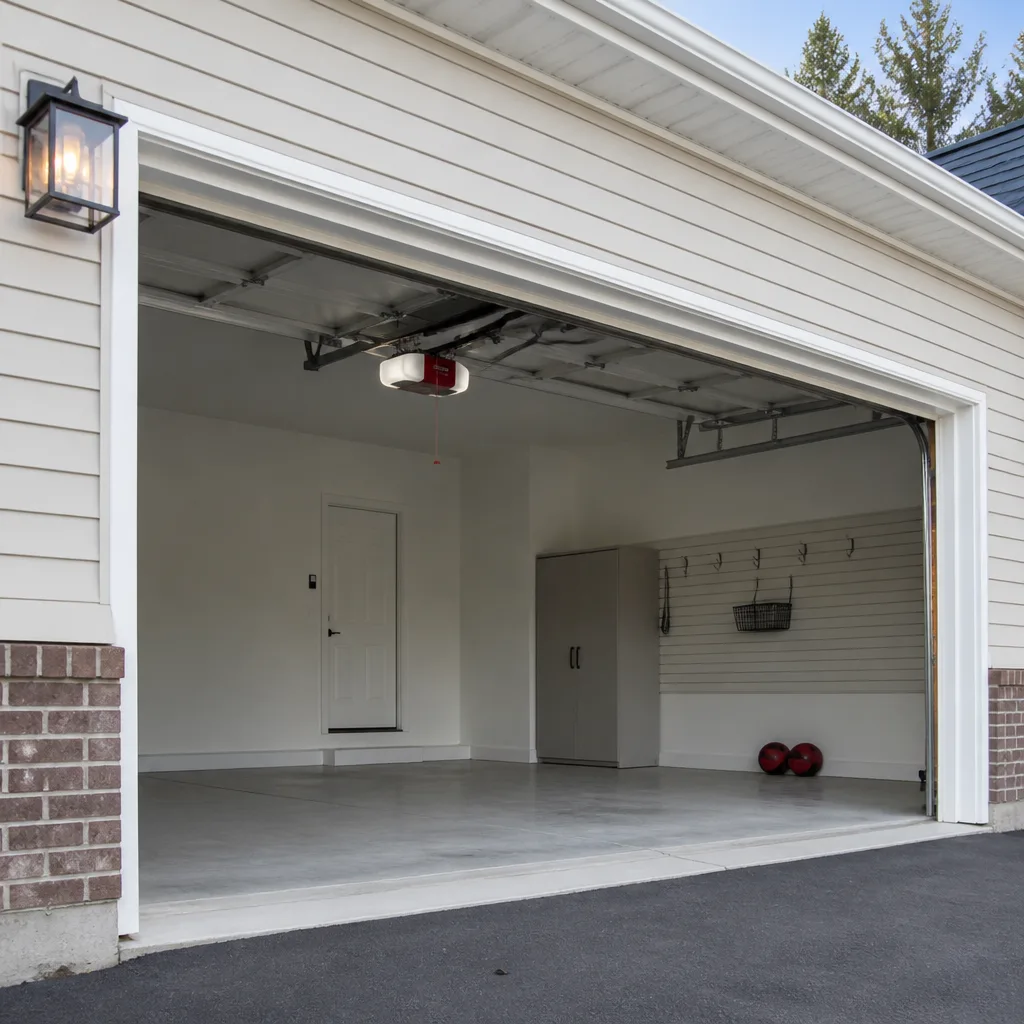 LiftMaster openers
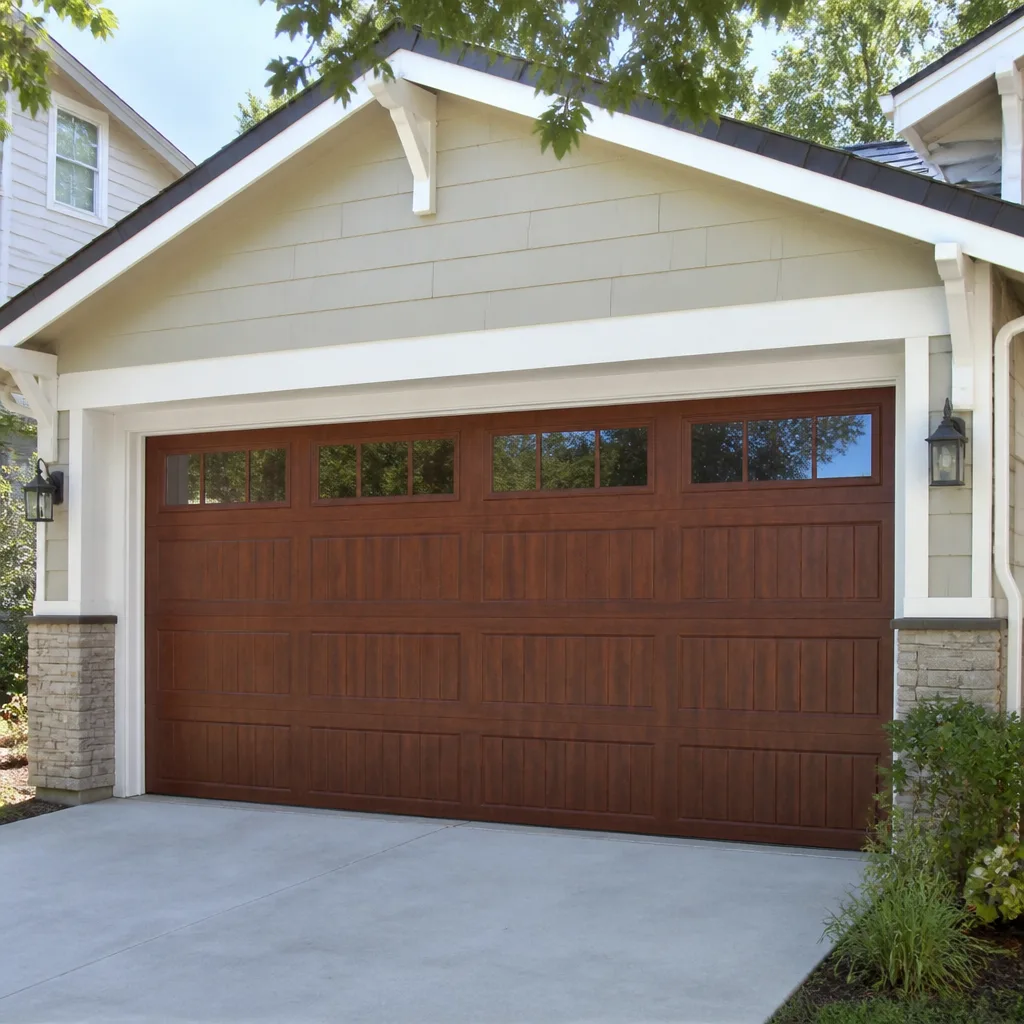 Chamberlain openers
Full 25-point door and opener safety check with every visit - springs, cables, rollers, tracks, and your LiftMaster or Chamberlain opener included
You get a price before we start. It does not change when the pro arrives.
Get your free estimateThe Complete Guide to Garage Doors in Old Northeast
Most garage door guides are written for suburban tract homes built after 1990. If your Old Northeast home predates that by 40 years, half that advice will get you into trouble. The bungalows and Mediterranean revivals that line these blocks were framed for cars the size of a shoebox and doors made of wood that no factory stamped out by the thousand. That changes header clearance, it changes opener mounting, it changes which door styles actually look right on the house, and it changes how permits get pulled. This guide walks through all of it: door types that suit the architecture, the structural quirks we run into in Old Northeast, material choices that hold up to local humidity, the permit reality in Pinellas County, and how to spot a repair that’s worth doing versus one that just delays the inevitable.
Quick Answer
Garage doors on older Old Northeast homes usually need a wood-compatible door style, a header clearance check before any opener is chosen, and a county permit even when you’re only replacing a door in an existing opening. Material choice matters most here because St. Petersburg’s humidity punishes unfinished steel and untreated wood faster than dry climates do. Repairs typically run $150 – $450, spring replacement for one spring runs $180 – $340, and a full door replacement typically runs $1,200 – $4,500 depending on material and size.
Styles & brands we work with
- Raised-panel steel
- Carriage house
- Modern flush
- Full-view glass
- LiftMaster openers
- Chamberlain openers
Table of Contents
- How Old Northeast’s Housing Stock Changes the Garage Door Rules
- Which Garage Door Styles Fit Historic Old Northeast Homes
- Carriage House Hardware: Decorative vs. Functional
- Header Clearance and Opener Mounting in Older Framing
- Humidity, Material Choice, and What Lasts in St. Petersburg
- Permits and Code in Pinellas County
- Repair or Replace? A Decision Framework
- Brand Reality: What’s Actually Installed on These Doors
How Old Northeast’s Housing Stock Changes the Garage Door Rules
The housing stock in Old Northeast is not uniform. It’s a patchwork of bungalows from the 1920s, Mediterranean revivals from the same era, and a slower trickle of mid-century additions and conversions. That patchwork matters because garage door sizing and mounting standards were built around postwar construction, not prewar. A door that fits a 1965 ranch opener rail will not automatically fit a 1925 bungalow.
Three structural facts drive almost every surprise call we get in Old Northeast:
- Garages were often added or converted later. Many Old Northeast homes were built without a garage and had one added or carved out of a carport or rear porch. The opening was framed to whatever the builder had on hand, so you’ll find width and height that don’t match standard door dimensions.
- Headers are sometimes undersized by modern standards. An older header beam that has done its job for decades may not have enough remaining clearance above the opening for a modern torsion spring and opener rail. That’s fixable, but it changes what you can install.
- Ceiling heights vary widely. Low-clearance openers exist for a reason, and they get used a lot in Old Northeast. A standard rail opener simply won’t fit under some of these ceilings without modification.
None of that is a reason to panic. It’s a reason to measure before you order. Old Northeast homes reward the homeowner who gets a proper measure and a written quote rather than the one who buys a door online and hopes.
Which Garage Door Styles Fit Historic Old Northeast Homes
The door style that looks right on a 1950s ranch can look completely wrong on a Mediterranean revival. Old Northeast has strong architectural norms, and a mismatched door stands out on the block in a way it wouldn’t in a newer subdivision. That’s not about following rules for their own sake. It’s that a door is one of the largest visible surfaces on the front of the house.
Three styles tend to work well in Old Northeast:
- Carriage house designs. Swing-out or swing-appearance doors with panel detailing read as period-appropriate on bungalows and Mediterranean revivals alike. Clopay and Amarr both make carriage-style lines that fit standard openings, so you don’t have to go custom unless the opening demands it.
- Flush panel doors in wood-look finishes. A clean, horizontal-paneled door in a warm finish reads mid-century without pretending to be something older. It’s the safer choice when the house has been updated and the original trim is gone.
- Traditional raised-panel doors. They work on the more modest bungalows in Old Northeast where a carriage-style door would feel fussy. Choose the panel profile to match the window trim, not the other way around.
What usually doesn’t work: glass-heavy modern doors, heavy industrial steel, and anything with a bright finish. They clash with the stucco and wood detailing that dominates the neighborhood.
When you’re ready to compare options, garage door installation starts with a free measure so the door you pick actually fits the opening you have.
Carriage House Hardware: Decorative vs. Functional
This is one of the most misunderstood topics in the neighborhood. Carriage house hardware splits into two categories, and the confusion costs homeowners money.
Decorative hardware is the add-on ironwork bolted to a standard sectional door: strap hinges, ring pulls, clavos, black carriage handles. It sits on the surface and does nothing mechanical. It’s cheap, reversible, and if it’s installed correctly, it looks convincing from the street. On many Old Northeast homes, decorative hardware is the right answer because the slab is sound and only the look needs updating.
Functional carriage hardware is the real thing: swing-out doors that hinge at the jamb and open like barn doors. On older structures these present specific problems. The opening has to be plumb and square, the jamb has to be solid enough to carry the hinge load, and the swing path can’t conflict with the driveway or with the way the garage sits close to a neighbor’s property line. Many Old Northeast lots are tight, which makes out-swing doors tricky.
Two rules of thumb:
- If your opening isn’t plumb or the jambs have historic settling, decorative hardware on a sectional door is almost always the better path.
- If you genuinely want swing-out doors, budget for jamb reinforcement and a careful measure. It’s a bigger job than the hardware list suggests.
Header Clearance and Opener Mounting in Older Framing
Almost every opener problem in Old Northeast traces back to one of two things: the header doesn’t have enough room, or the ceiling is too low for a standard rail.
Here’s what a proper pre-installation check involves, in order:
- Measure the opening. Width, height, and depth of the jamb, taken at three points so you can see taper. Old Northeast openings are rarely uniform.
- Measure the header clearance. The space between the top of the door and the ceiling determines whether you can use a standard torsion setup or need low-headroom hardware.
- Measure the ceiling height and beam positions. A standard rail opener needs enough ceiling height and a solid mounting point. If the ceiling is framed with exposed joists, an opener has to attach to a properly reinforced point, not to a decorative board.
- Check the side clearance. Some Old Northeast garages are tight enough on the sides that a torsion spring has to be mounted off-center.
- Decide on the opener. A belt-drive Chamberlain or a jackshaft Genie may be the right call depending on the answer to steps 2 and 3 above. Choose after measuring, never before.
Our technicians have up to 9 years of experience, and the vast majority of the older-framing problems we fix come down to an opener that was mounted without proper reinforcement. If your opener shakes the ceiling when it runs, or the door drifts off track when it opens, that’s the symptom.
If the opener itself is the problem rather than the framing, garage door opener repair is the right call, and we diagnose the brand you actually have.
Humidity, Material Choice, and What Lasts in St. Petersburg
St. Petersburg’s humidity is the variable most generic garage door guides ignore. It shapes which materials hold up, which finishes fail early, and which hardware rusts before its time. The rule here is simple: assume moisture is present, and choose accordingly.
How the main material options hold up in local conditions:
- Steel with a factory finish. The most common choice for a reason. Modern steel doors ship with a baked-on finish that holds up well. The weak points are cut edges, nicks, and any spot where the coating is broken; those are where rust starts here.
- Wood. Beautiful and period-appropriate on Old Northeast homes, but high-maintenance in a humid climate. Paint or seal on a schedule, or expect the wood to move and peel. If the door is original to the house, consider whether preserving it matters enough to keep up the upkeep.
- Aluminum. Lightweight and rust-resistant, so it’s a strong choice for coastal-humidity regions. The trade-off is that it dents more easily than steel.
- Composite and wood-look steel. Best of both worlds for homeowners who want the historic look without the upkeep. Clopay and Amarr both offer convincing wood-look finishes that survive humidity better than real wood.
Two local habits pay for themselves: keep the bottom weather seal intact so humid air doesn’t wick under the door, and touch up any paint or coating nicks on steel doors before they spread. The average Old Northeast homeowner won’t do a full re-seal every year, but a look-over each fall catches the small stuff.
Permits and Code in Pinellas County
Permit requirements apply even when you’re only replacing a door in an existing opening. This confuses homeowners who assume “same size, same opening” means no paperwork. That’s not how it works in Pinellas County.
Here’s what to understand before you buy anything:
- Replacement triggers a permit. Swapping a door, even one for one, is generally treated as an alteration and requires a permit through the county. Your building department is the right source for the exact rule that applies to your address.
- The permit covers more than the door. It also covers the attachment of the door to the structure and the impact on the opening. A door approved for one mounting method may not be approved for another.
- Wind-load considerations matter. Florida door installations involve wind-load requirements that don’t exist in most of the country. A door that meets the right standard for the opening is the only door that passes inspection.
- The installer’s licensing is the county’s problem too. Ask who’s responsible for pulling the permit before you agree to the job. The answer should be part of the written quote.
Our role in this is straightforward. We connect you with a licensed local professional who pulls the permit on your behalf, works through the inspection, and doesn’t hand you a “we can skip the permit” line. When you get a free estimate, ask up front about the permit process. If the contractor dodges the question, that’s a signal.
Repair or Replace? A Decision Framework
The “repair or replace” question is where a lot of Old Northeast homeowners get talked into the wrong answer. Here’s the framework we use when we’re advising someone on their garage door:
- How old is the door and how many repairs has it had? A door that’s been repaired twice in two years is telling you something. A single repair on a door in good condition is almost always the right call.
- Is the frame sound? Sectional panels can be replaced. Jambs, headers, and mounting points are a different conversation. If the structure is failing, a new door won’t fix the problem.
- Is the repair a spring, a panel, an opener, or something structural? Springs and openers are repairable. Serious structural or track issues lean toward replacement.
- Does the door match the house? If it’s clashing with the architecture and getting a repair anyway, it may be worth replacing with a style that fits.
- Is the total repair cost approaching a replacement cost? The old rule applies: if a repair gets close to half the cost of a new door, and the door is already past its expected service life, replacement is usually the better spend.
For straightforward fixes, garage door repair handles the majority of jobs we see in Old Northeast in a single visit. For a door that’s genuinely beyond repair, the honest answer is worth more than a band-aid.
What a typical repair costs in Old Northeast
These are typical estimates for the Old Northeast market. The written estimate you receive after the free measure sets the final price.
| Repair type | Typical estimated range |
|---|---|
| Spring replacement (one spring) | $180 – $340 |
| Spring replacement (matched pair) | $360 – $680 |
| Opener repair or replacement | $250 – $650 |
| Panel replacement (single) | $150 – $400 |
| Track alignment and adjustment | $150 – $300 |
| Full door replacement (standard size) | $1,200 – $4,500 |
A matched pair is usually replaced together because when one spring fails, the other is at the same stage of fatigue. Replacing only one is a false economy on most older doors.
Brand Reality: What’s Actually Installed on These Doors
Most Old Northeast homes are running equipment from one of a handful of brands, and the brand determines the right repair. We work on the brand you have, not just the brands we prefer to sell.
What we see most often in Old Northeast:
- Chamberlain and LiftMaster openers. Very common on doors replaced in the last two decades. Parts are widely available, and belt-drive versions are the quiet choice for homes where the garage is close to a bedroom.
- Genie openers. Also widespread, including older screw-drive units that can be finicky to diagnose. A skilled technician can usually tell you in the first five minutes whether it’s worth repairing.
- Craftsman openers. Common on older installations and still serviceable. The trick is matching a replacement remote or safety sensor to the right generation of the unit.
- Clopay and Amarr doors. The most common replacement brands we encounter, partly because their carriage-house and wood-look lines fit the neighborhood’s architectural feel.
- Wayne Dalton and Raynor doors. Still out there on older Old Northeast homes, and worth fixing rather than replacing if the structure is sound.
When you call for garage door repair, tell us the brand if you know it. It shortens the diagnosis and it means we can bring the right parts for your unit. A generalist won’t be able to do that for eight brands the way we can.
When the door itself fails in a way that leaves you locked out or with a door that won’t close, our emergency service exists for exactly that scenario. Garage Door Repair Old Northeast is the number to have saved in your phone before you need it.
Common Mistakes to Avoid
- Buying a door online without measuring first. Old Northeast openings vary more than tract-home openings, and a standard door will not fit every one. Measure the opening, the header clearance, and the jamb depth before you buy anything.
- Skipping the permit because “it’s the same size.” Replacement triggers a permit in Pinellas County even when the opening doesn’t change. Get the permit pulled by a licensed professional and keep the paperwork.
- Choosing a door style that fights the house. A modern glass door on a 1925 bungalow will look out of place on the block and hurt resale. Match the style to the architecture and the trim, not to what’s trending.
- Adding decorative carriage hardware to a door with a failing slab. Hardware dresses up a sound door; it doesn’t save a bad one. Fix the mechanical problem first.
- Hiring a generalist for a specialist repair. Spring and torsion repairs are among the most dangerous jobs in the trade. A handyman who’s “done a few” isn’t the same as a technician focused entirely on garage doors.
- Ignoring a broken spring and running the opener anyway. A door with a broken spring puts enormous strain on the opener and the cables. Stop using the door until it’s fixed.
- Assuming a low quote is the final price. Make sure the permit, haul-away, and any structural reinforcement are in writing before work starts. The price you agree to before work is the price you pay.
See the difference
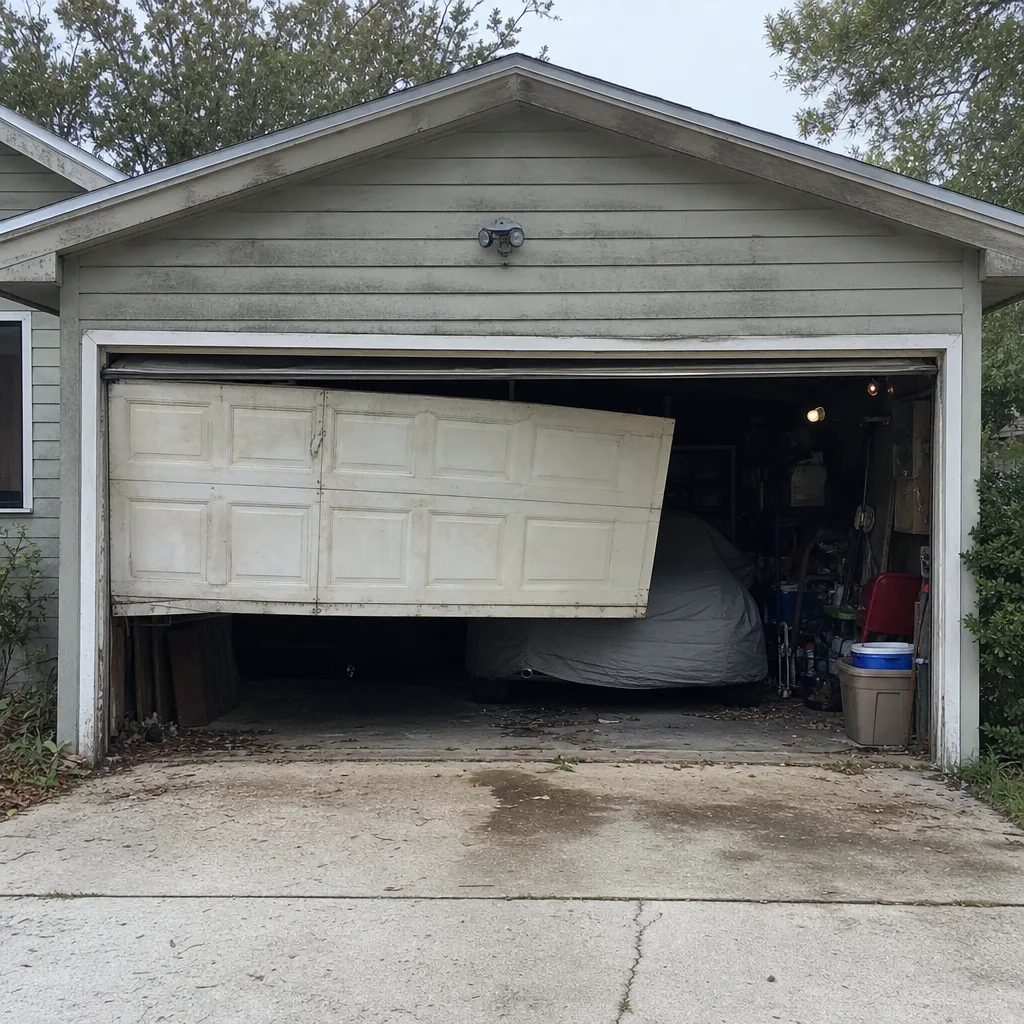 Before
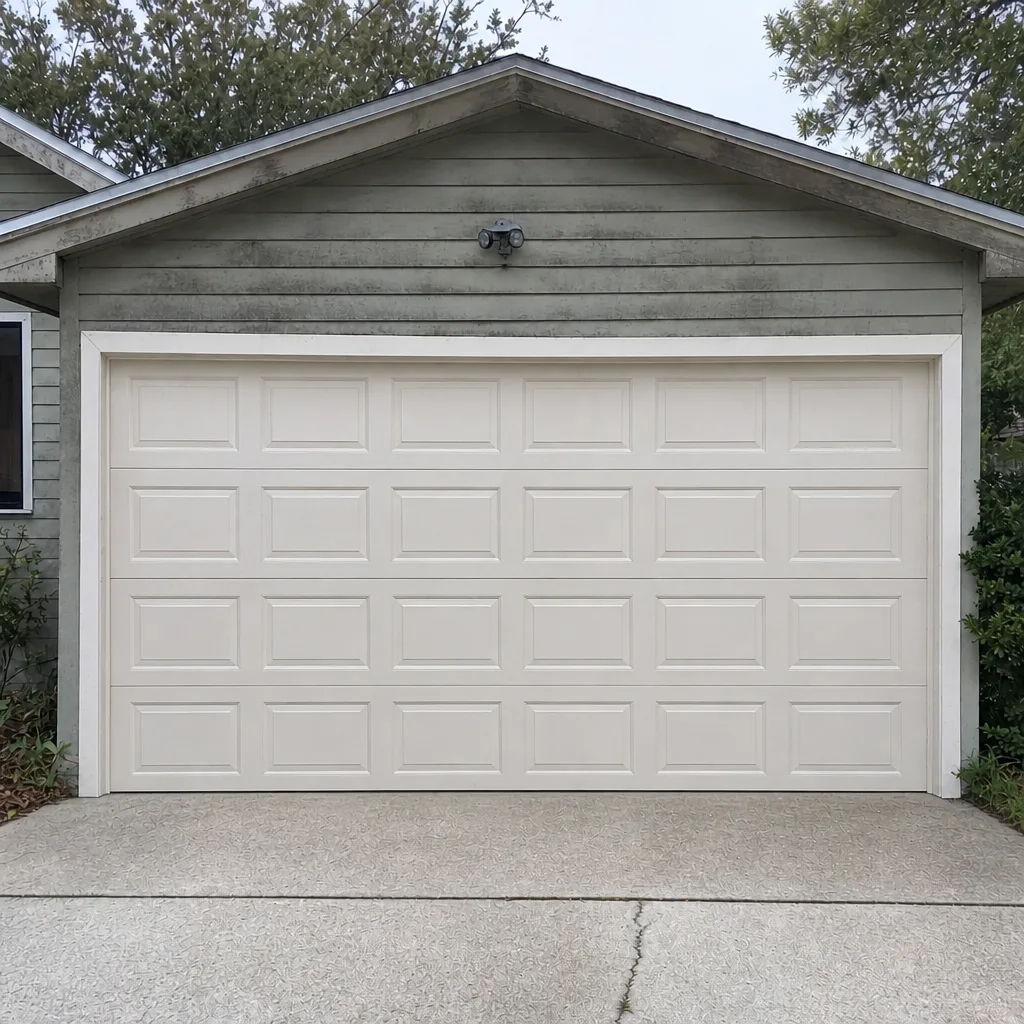 After
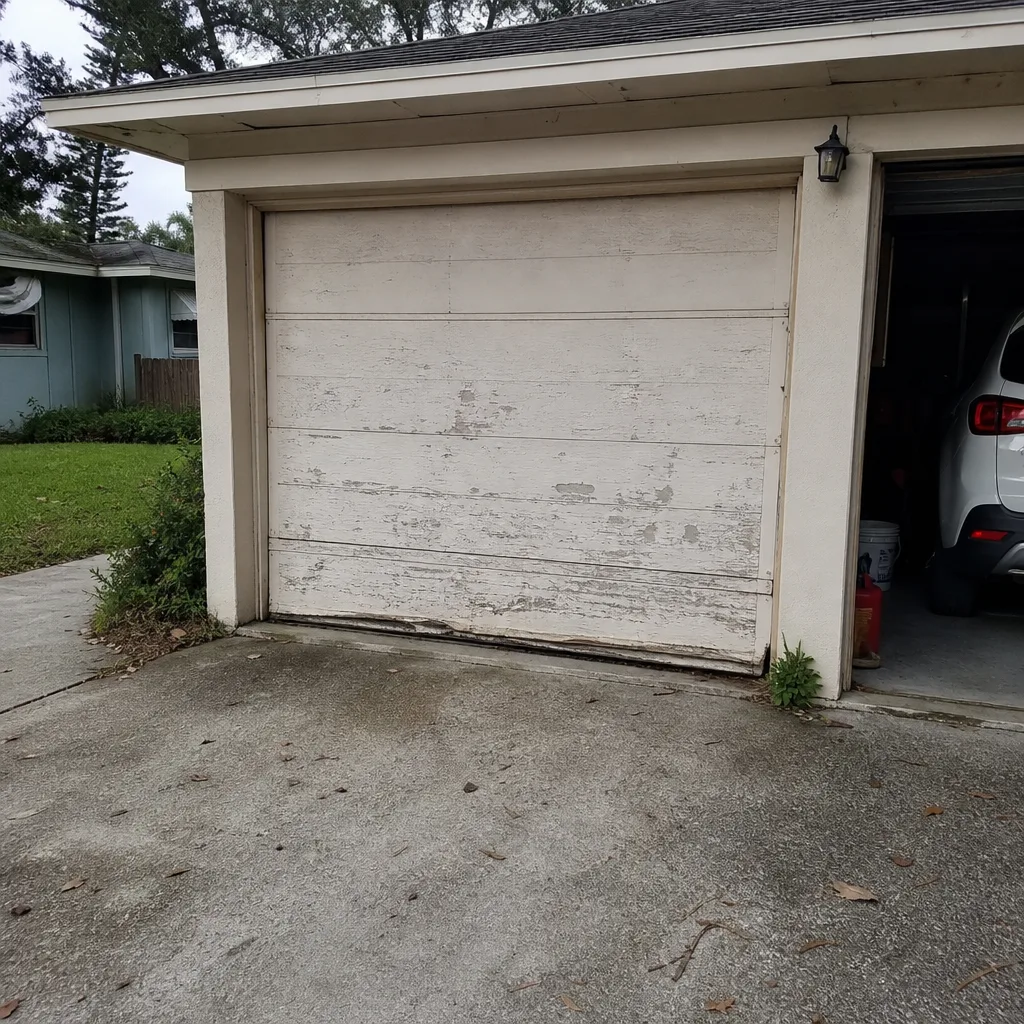 Before
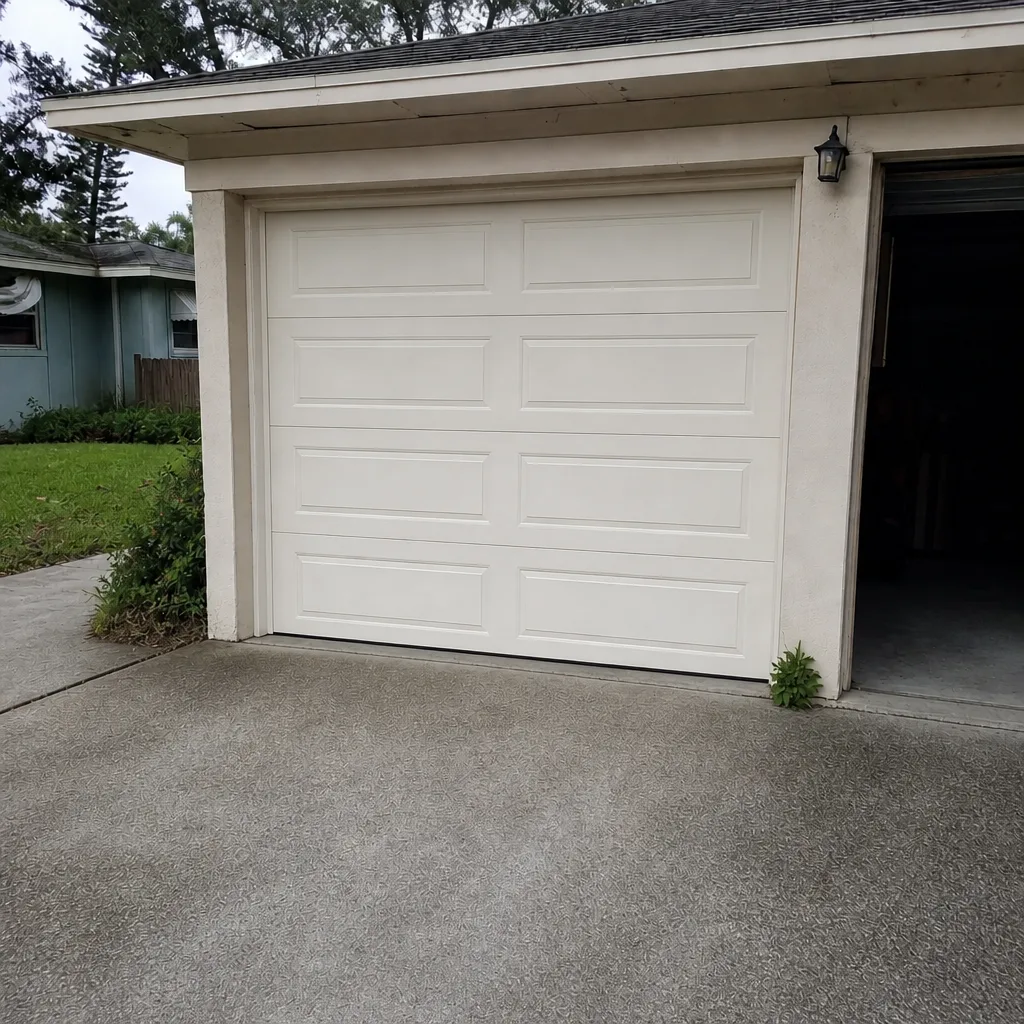 After
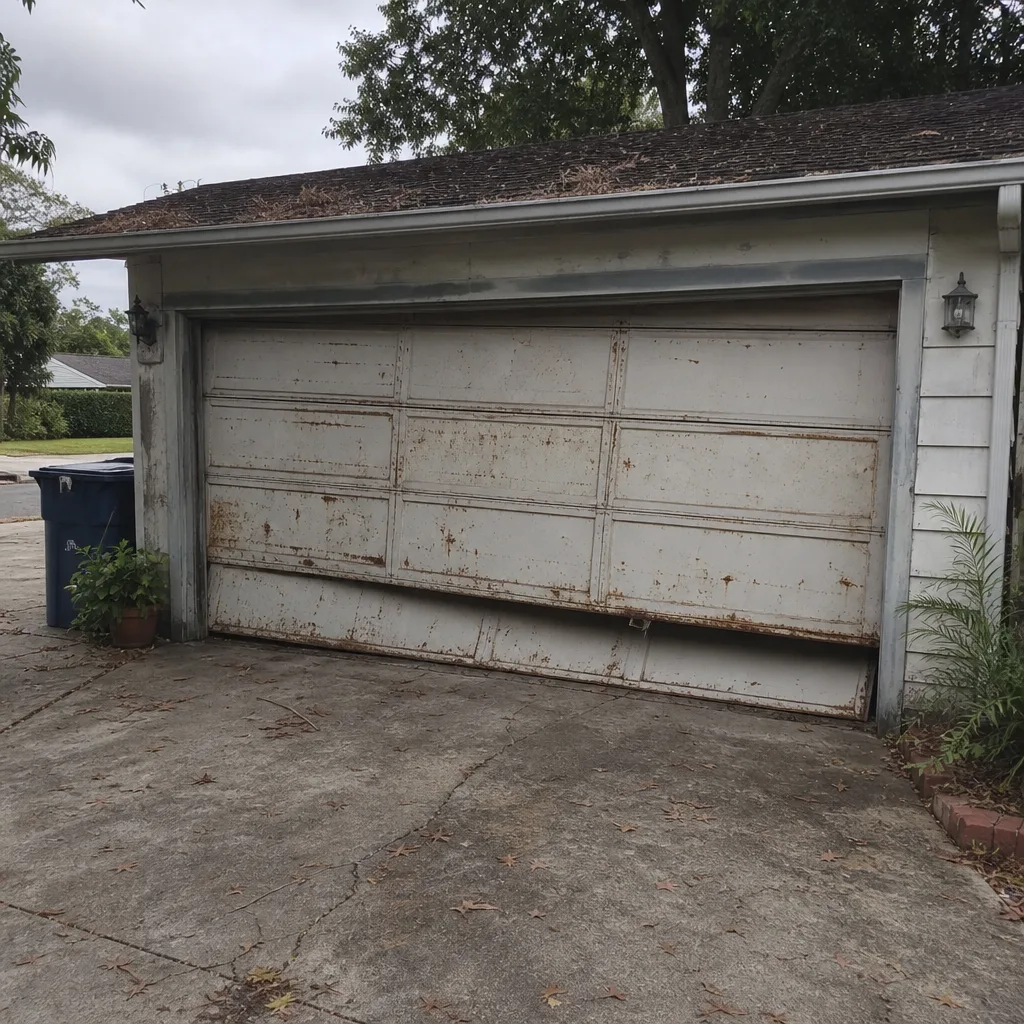 Before
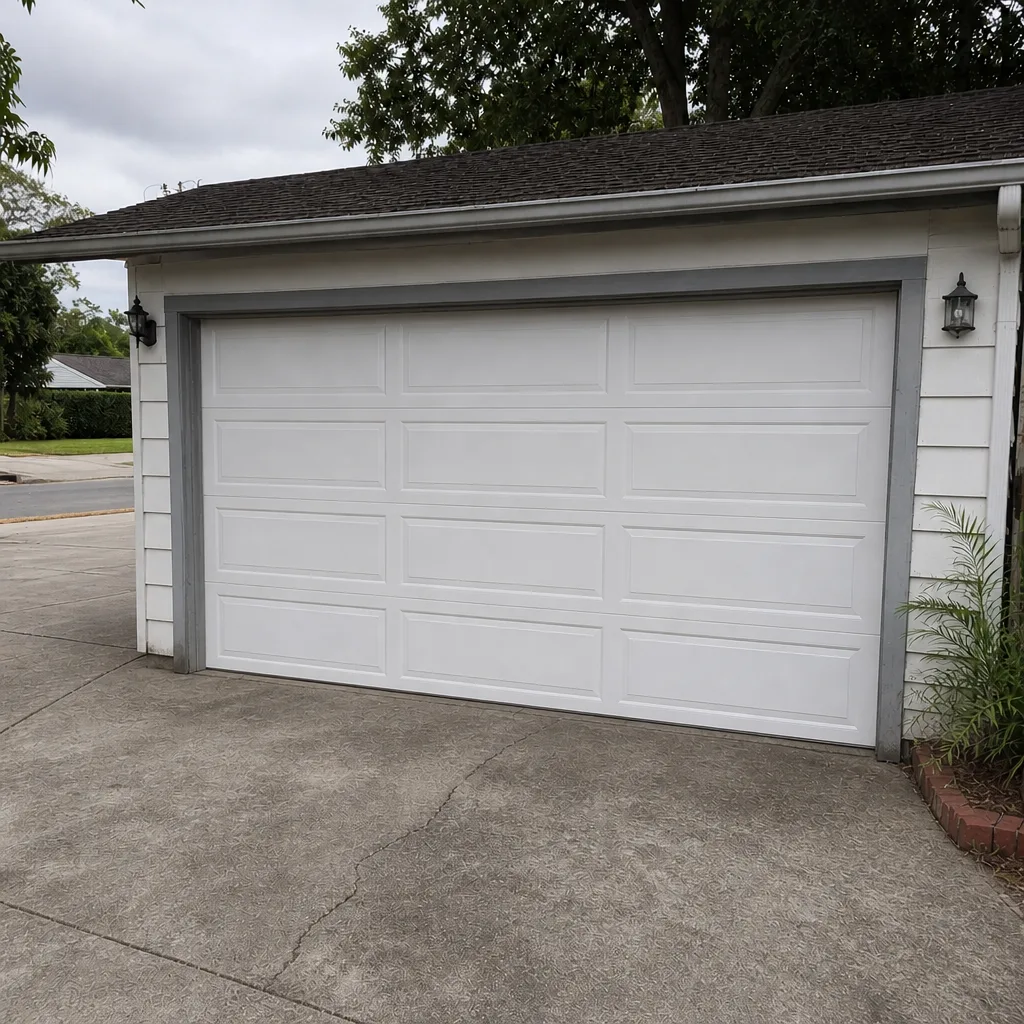 After
When to Call a Professional
Some garage door issues are safe to look at. Others aren’t. Call a professional any time you’re dealing with a broken spring, a snapped cable, a door that’s come off its track, or a torsion assembly that’s making new noises. Those components are under extreme tension, and a mistake with them can cause serious injury. Don’t try to fix them yourself. On the opener side, call us when the door won’t close reliably, the safety sensor keeps tripping, or the unit is more than a decade old and starting to fail in ways that make the door a daily frustration. If you’re considering a replacement, call before you buy anything, so the measure and the permit check happen first. Garage Door Repair Old Northeast offers free estimates in Old Northeast. Call (877) 492-1990.
Frequently Asked Questions
Yes. In Pinellas County, a garage door replacement typically requires a permit even when the door goes into an existing opening at the same size. The permit covers the attachment method and the wind-load requirements for your address. Your building department is the right source for the exact rule that applies to your home, and a licensed installer will handle the paperwork as part of the job.
Spring replacement for a single spring typically runs $180 – $340 in the Old Northeast market, and a matched pair is usually replaced together, so budget roughly double that. A written estimate after the free measure sets the final price. Call (877) 492-1990 for an exact quote; estimates are free.
Yes. Carriage house designs, flush panel doors in wood-look finishes, and traditional raised-panel doors all fit the architecture that dominates Old Northeast. The right choice depends on your opening, your trim, and the era of the house. We work on brands including Clopay and Amarr, so you’re not limited to a single manufacturer’s style catalog.
In older Old Northeast homes, a shaking opener almost always points to a mounting problem rather than a failing opener. The unit may be attached to a ceiling joist that isn’t reinforced, or the rail may be under tension from a low ceiling. A technician can reinforce the mounting and add a belt-drive unit if the noise is the main complaint, though the fix usually starts at the ceiling, not the motor.
A modern steel or aluminum door with a factory finish handles local humidity well for years. The weak points are cut edges, nicks, and untreated wood, which absorb moisture and peel faster here than in dry climates. Wood-look steel and aluminum are the low-upkeep choices, and touching up small coating damage early is what keeps a steel door from rusting.
Decorative hardware is bolted onto a standard sectional door and does nothing mechanical; it’s cheap, reversible, and looks right from the street. Functional carriage hardware operates real swing-out doors, which requires a plumb opening, solid jambs, and enough swing clearance for the driveway. On older Old Northeast homes, decorative hardware is usually the safer and more sensible choice unless the structure supports the real thing.
The Bottom Line
Garage doors in Old Northeast are a different problem from garage doors in a newer suburb. The openings are rarely standard, the headers are sometimes tight, the ceilings can be low, and Pinellas County requires a permit even for like-for-like replacement. Match the door to the architecture, use Clopay, Amarr, or a comparable wood-look option to survive the humidity, and save the spring-and-torsion work for a technician, because those are the parts that can hurt you. Repair when the frame is sound and the cost stays low; replace when the door itself is the problem. Either way, get a proper measure and a written quote before you commit. Garage doors are all we do, and from the spring to the opener, we diagnose right so the fix holds.
Call (877) 492-1990 for a free estimate with Garage Door Repair Old Northeast. If your door won’t move, we will. We’ll take a proper measure, set the price in writing before any work starts, and quote it clearly so there are no surprises.
Written by the team at Garage Door Repair Old Northeast.