Top Signs You Need Garage Door Service – Don’t Ignore These
A garage door that takes two seconds longer to open than it did six months ago isn’t aging gracefully. It’s telling you, in mechanical terms, exactly where something is wearing out. The five warning signs of an imminent failure are grinding, popping, rattling, scraping, and humming, plus slow or uneven movement, and most of them show up weeks before the door actually quits. Homeowners in Old Northeast tend to normalize those small changes until the door stops cold. This is how to read them before that happens. If you’d rather not climb a ladder to investigate, call (877) 492-1990.
Key Takeaways
- Grinding, popping, rattling, scraping, and humming each point to a different component failure.
- Slow or uneven movement is a more reliable early warning than any noise.
- Rust streaks on springs, gaps in weatherstripping, and center-panel sag are easy to overlook in Old Northeast homes.
- A 30-second balance test reveals whether a torsion spring is losing tension.
- Logging your symptoms accurately means the first visit is a repair, not a diagnostic-only appointment.
What do the noises coming from my garage door actually mean?
Each sound a garage door makes is a mechanical signal, and the noise profile usually tells you which part is failing. A grinding sound is metal on metal, generally worn rollers or a dry, misaligned track. A popping noise often comes from a torsion spring or a cable under sudden load. Rattling means loose hardware: hinges, brackets, or the bolts that hold the track to the frame. Scraping points to a door panel rubbing the track or a bent section dragging against the jamb. A steady humming with no movement at all is an opener problem, not a door problem – the motor runs but the drive isn’t engaging.
Normal operation has a low, even whir, maybe a soft click at the travel limits. That’s it. When you hear one of the five profiles above, note which one and where it comes from. On a Craftsman or LiftMaster opener, a hum with no motion often traces to the drive gear or the capacitor; on the door itself, a pop usually means a spring issue that shouldn’t wait.
Why is slow or uneven movement a bigger warning sign than noise?
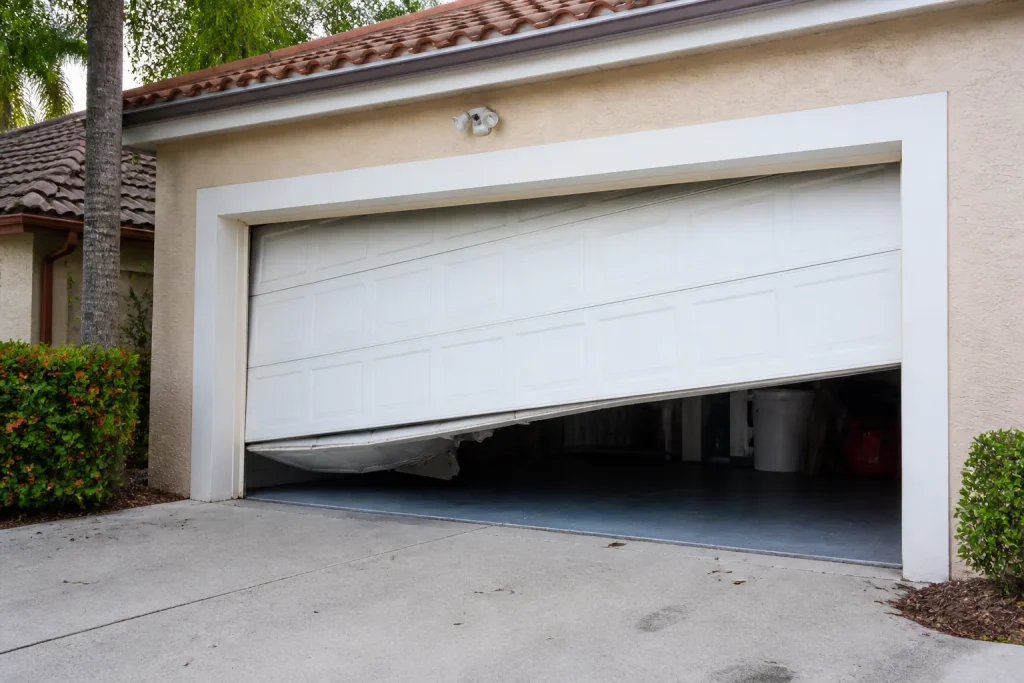
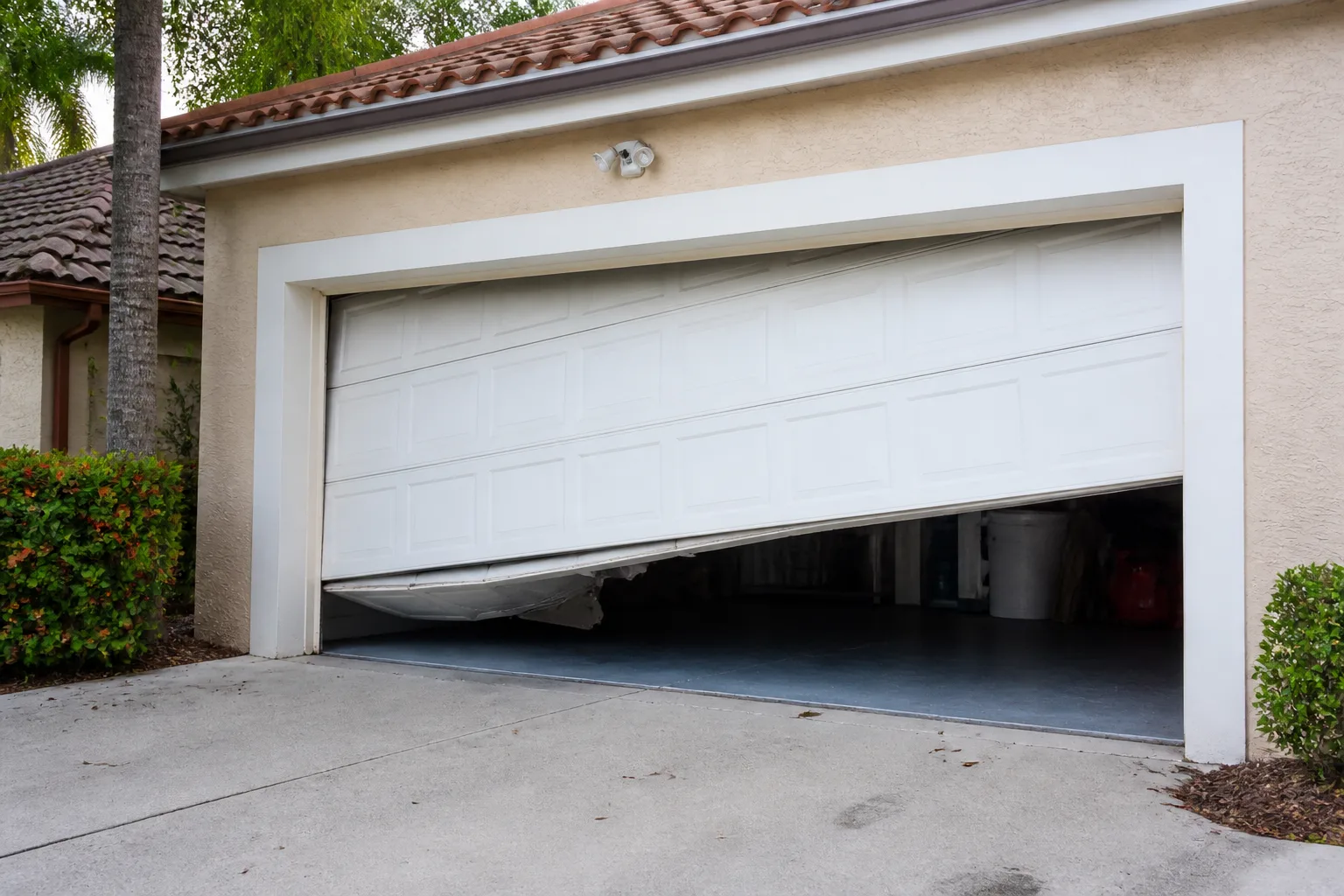
Movement changes are more reliable than sound because they show up first. A door that opens slower, drifts to one side, or stalls partway is telling you the lifting force is no longer balanced – and that almost always traces to a track, spring, or opener. A ten-second visual test tells you which. Watch the door travel up and down from a few feet back. If one side rises ahead of the other, check the vertical tracks for a bend or a roller popped out of the channel. If the door is heavy and sluggish on both sides, suspect spring tension. If it moves smoothly but stalls or reverses, the opener’s force settings or sensors are the likely culprit.
An unbalanced door puts extra strain on the opener, which is why a slow door so often ends with a burned-out motor a few weeks later. Catching the movement change early keeps the fix small. This is where a specialist’s read matters: garage door opener repair starts with confirming whether the problem lives in the opener or the door.
What are the Florida-specific warning signs Old Northeast homeowners miss?
Old Northeast’s climate brings humidity, afternoon storms, and coastal air, and those leave marks a drier market never sees. Three signs deserve a look this week. Visible rust streaks on the torsion or extension springs are the first. Springs live under constant tension, and surface rust is the outward sign of internal corrosion that weakens the wire. Second, gaps appearing along the weatherstripping at the bottom and sides let humid air and rain reach the door and track; run your hand along the seal and feel for splits. Third, a door sagging at the center panel – often on older steel Clopay or Amarr doors – means the panel’s structural support has weakened, even when the door still opens.
Salt air accelerates corrosion on springs and hinges here more than inland. None of these signs means the door is about to fail tomorrow, but each shortens the life of the part if left alone. A quick monthly walkaround in Old Northeast catches all three.
How do I run the balance test on my garage door?
The balance test is a 30-second manual check that reveals whether your torsion spring is losing tension before it snaps. Close the door, pull the opener’s release cord so the door disconnects, then lift the door by hand to about waist height and let go. A door in proper balance stays put or drifts only slightly. If it sags under its own weight or crashes down, the spring has lost tension.
When should you call a pro instead of checking it yourself?
Call before you reach for tools if the balance test points to a spring. Torsion and extension springs store enormous energy, and the hardware that holds them can release it without warning; adjusting or replacing one is not a homeowner job and can cause serious injury. The same goes for opener wiring, which carries live voltage. When a test shows a spring or electrical fault, leave it to a trained specialist.
Our technicians have up to 9 years of experience and work on the brand you have, whether that’s Clopay, Amarr, Wayne Dalton, or another system. Garage door repair covers everything from a snapped spring to a bent track, and each diagnosis reads the same symptoms you do.
Related services in Old Northeast
Depending on what the signs point to, garage door opener repair handles humming motors and reversing doors, garage door installation replaces sagging panels or an aging door, and Garage Door Repair Old Northeast brings it together for a free estimate.
What happens when you call
- 1
A real person answersNo phone trees – you reach a local pro.
- 2
You get an upfront price rangeHonest numbers before anyone is dispatched.
- 3
A background-checked tech heads outLicensed & insured, dispatched right away.
- 4
You approve before work beginsNothing starts until you say go.
How to describe your symptoms so the first visit fixes it
Accurate symptom notes turn a repeat visit into a single repair. When you call, have these ready: what the door does and doesn’t do, when it started, which noise (grinding, popping, rattling, scraping, humming) and where it comes from, how the door moves, the opener brand and model, and whether the door has had a recent repair. That detail lets a technician arrive with the right part and a plan, so the first visit is the repair. Diagnosed right, fixed fast.
The Bottom Line
The signs that predict a garage-door failure – unusual noises, uneven movement, rusty springs, gaps in the seal, center-panel sag, a failed balance test – are all visible or audible weeks before the breakdown. Check your door monthly, log what you find, and call before a minor part becomes a major one. If you’re in Old Northeast and need help, Garage Door Repair Old Northeast offers free estimates – call (877) 492-1990.
Frequently Asked Questions
A failing spring usually shows rust streaks and a door that no longer balances – one that sags or drops when released from waist height. If those appear, have it inspected rather than adjusted yourself.
It can be. Slow movement often means the door is unbalanced or the opener is straining, and left alone it can wear out the motor or lead to a spring failure.
Some noise is safe to tackle, like tightening loose hinges or lubricating rollers. Grinding or popping tied to springs or cables should go to a specialist.
A quick monthly walkaround plus a balance test catches most issues early. Schedule a professional check if you notice any of the signs above.
Written by the team at Garage Door Repair Old Northeast.
Need Garage Door Help?
Call Garage Door Repair Old Northeast - the local pro we connect you with is licensed and insured, here with fast after-hours help in Old Northeast.
(877) 492-1990