Last updated November 22, 2026
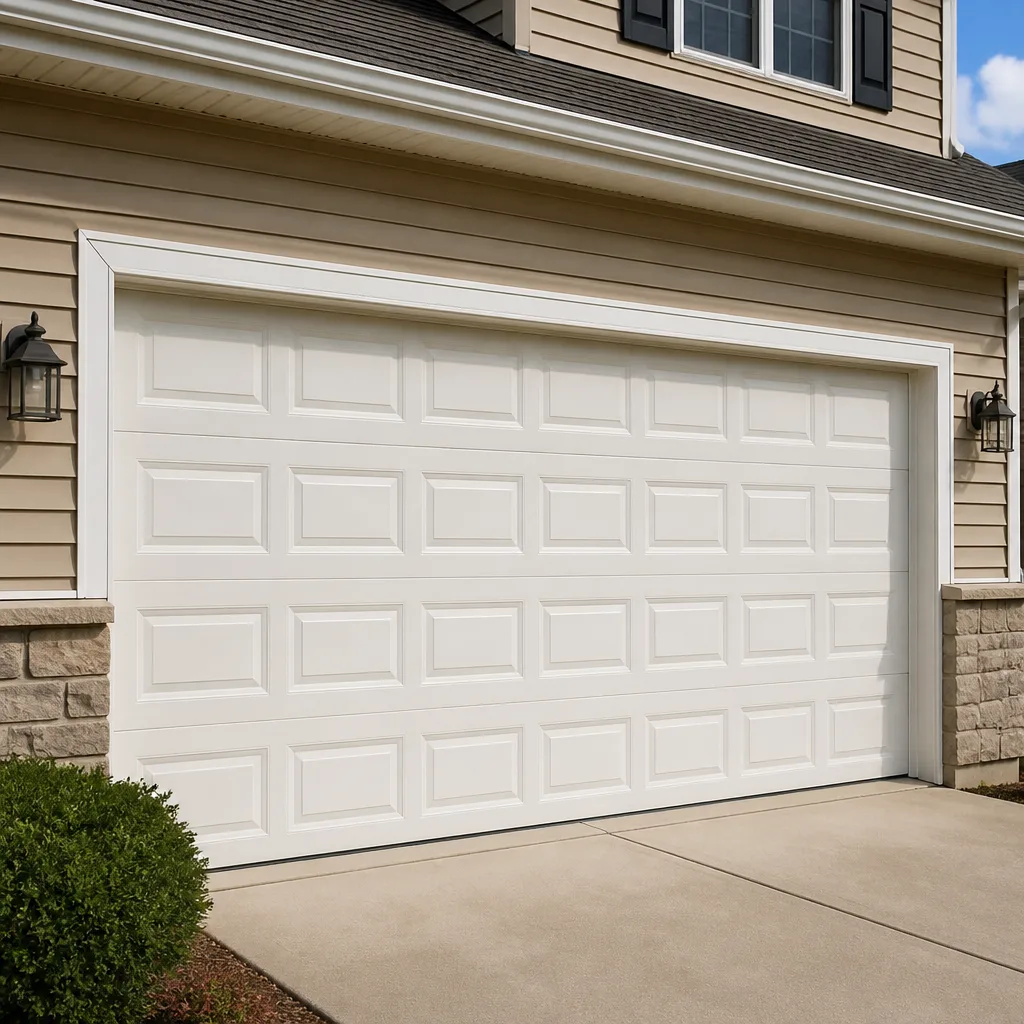 Raised-panel steel
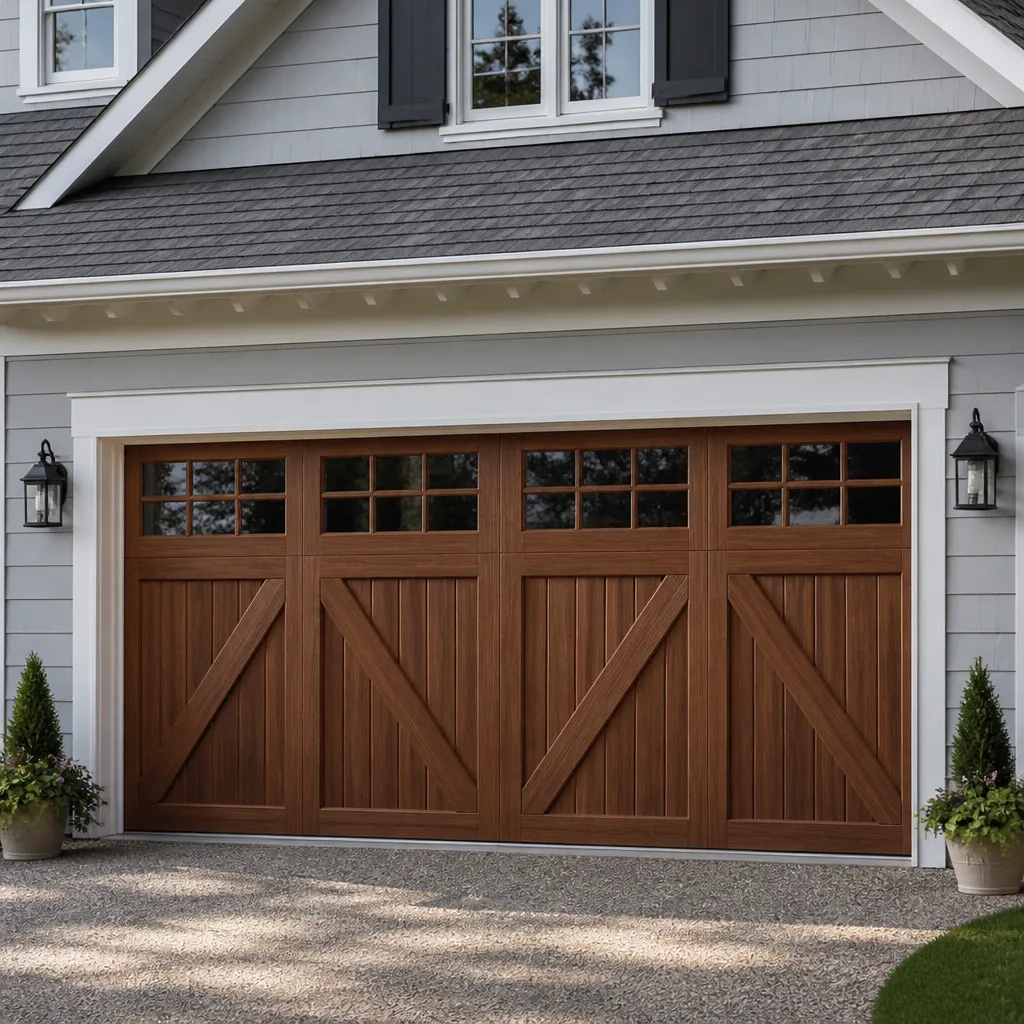 Carriage house
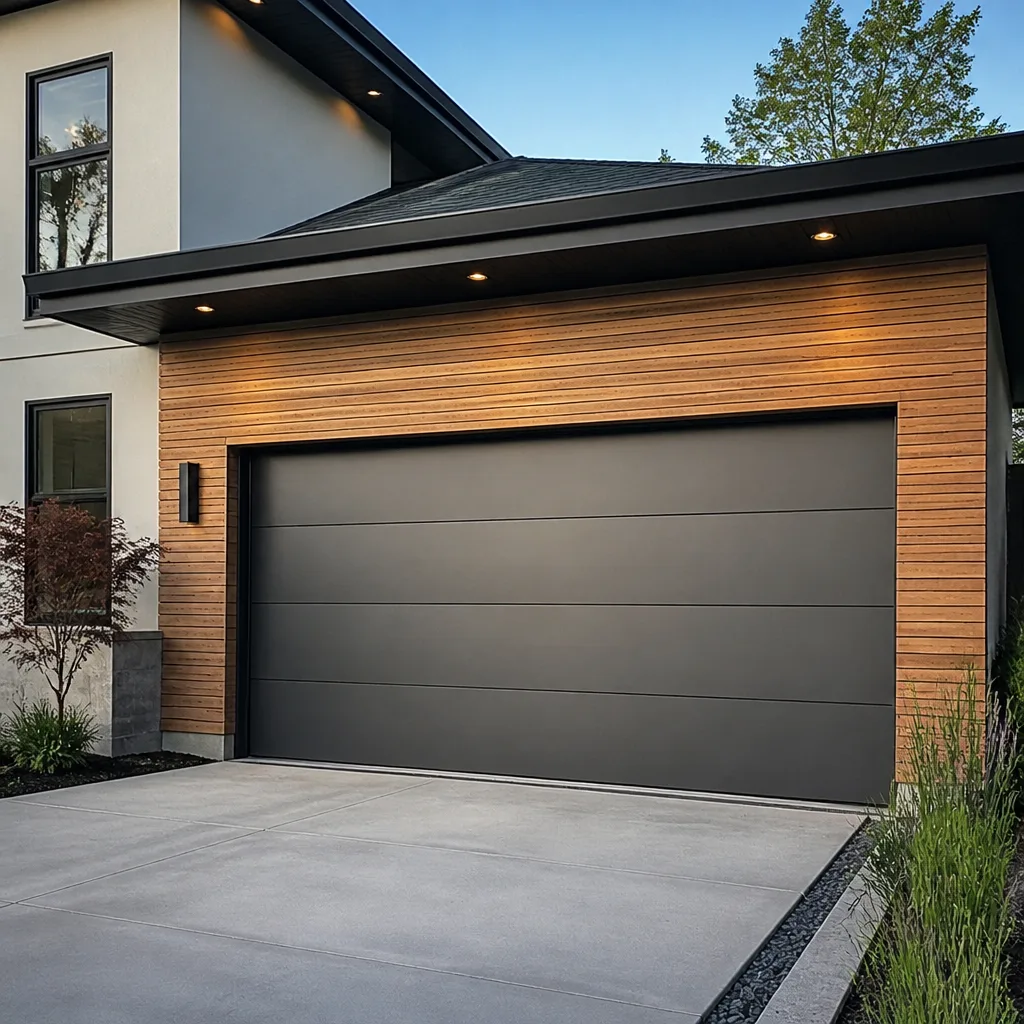 Modern flush
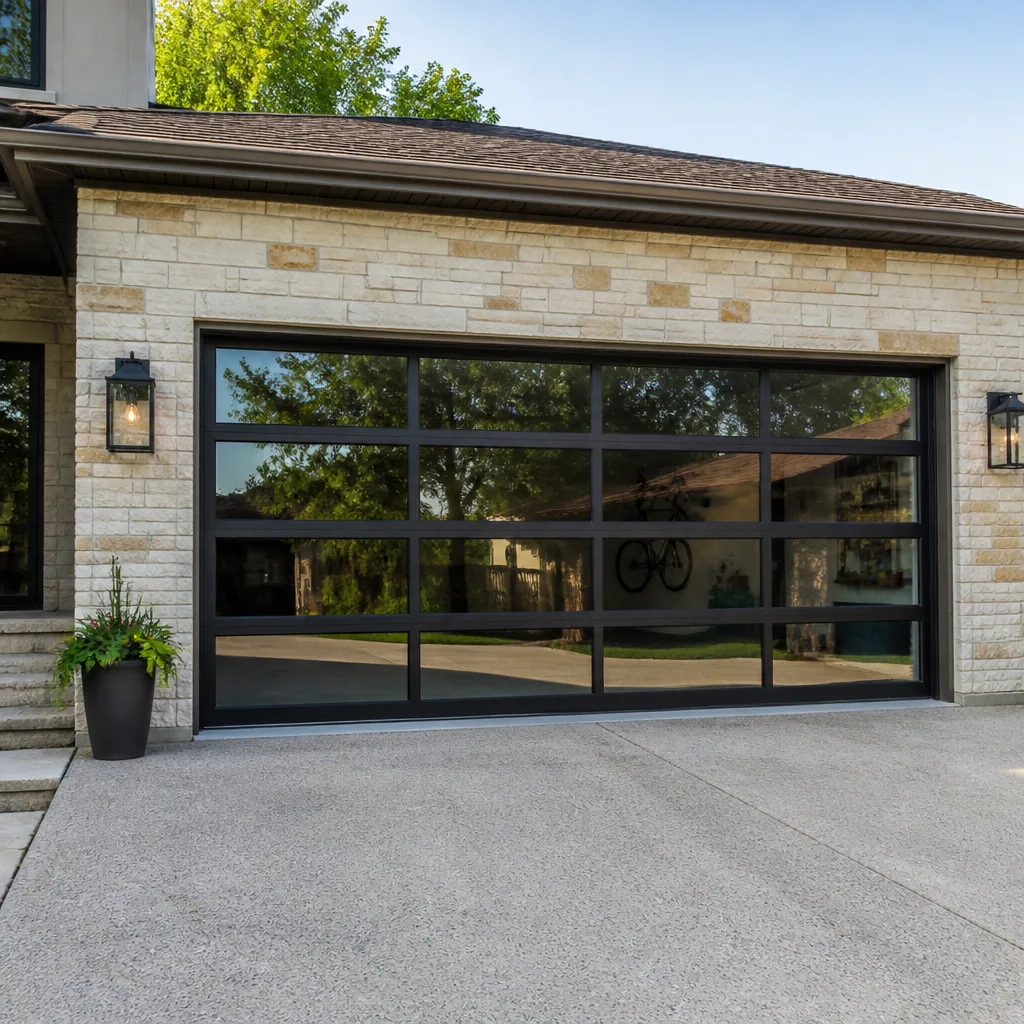 Full-view glass
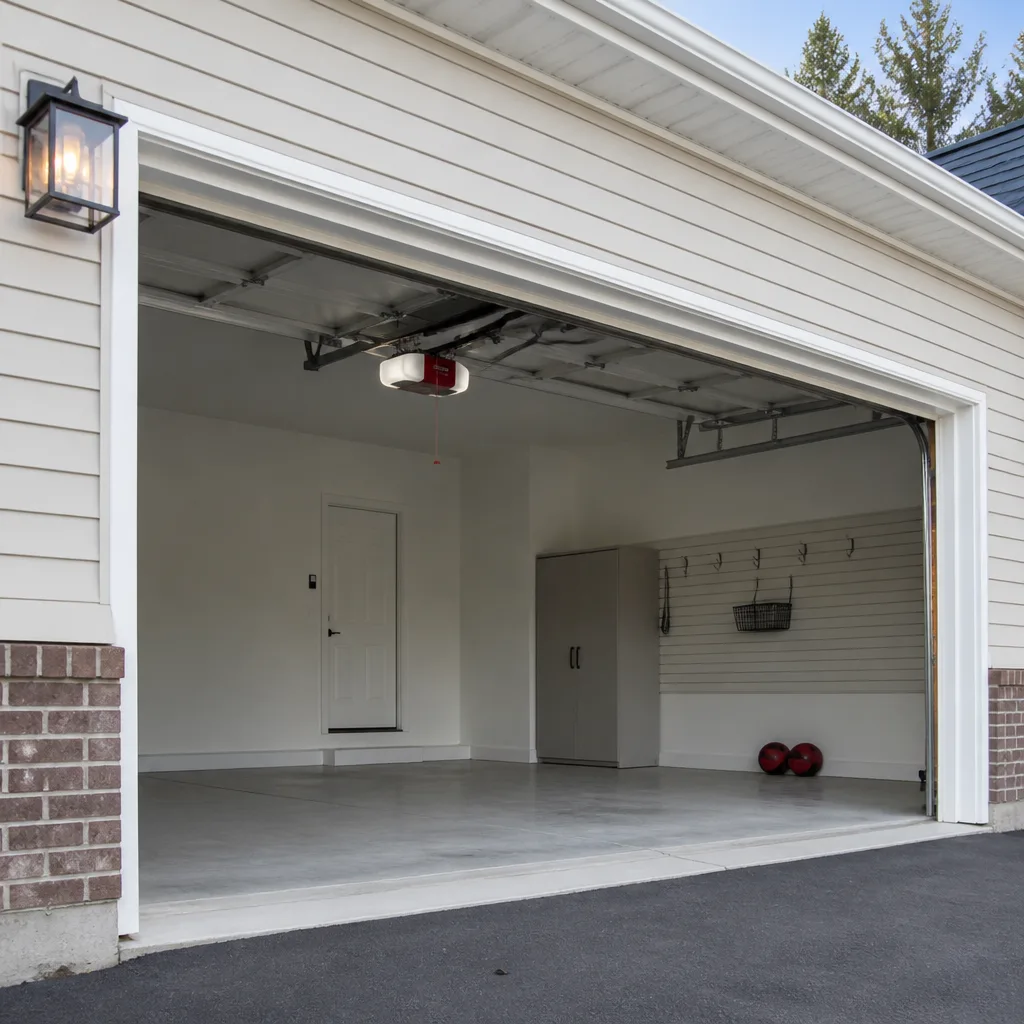 LiftMaster openers
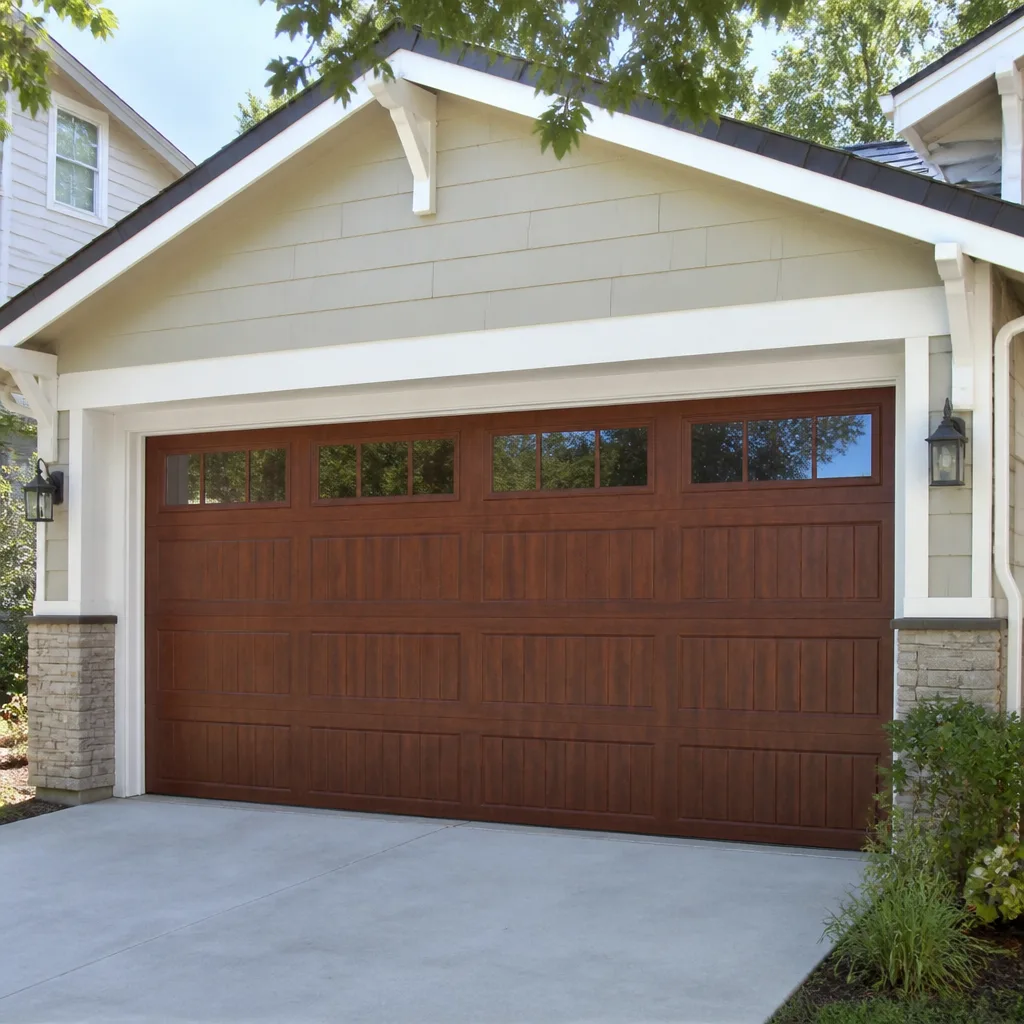 Chamberlain openers
Full 25-point door and opener safety check with every visit - springs, cables, rollers, tracks, and your LiftMaster or Chamberlain opener included
You get a price before we start. It does not change when the pro arrives.
Get your free estimateChoosing the Right Garage Door Brand: A Buyer’s Guide for Old Northeast
LiftMaster, Clopay, and Amarr all make both excellent and mediocre products, sometimes under the same brand name. That single fact upends most of the garage door advice homeowners get. The logo on the panel tells you almost nothing about whether a door will hold up through a decade of Florida heat and humidity. The model number, the steel gauge, and one specific document called a Florida Product Approval number tell you nearly everything. In this guide, we walk through how to read those signals, how construction specs compare across the brands most often installed in Old Northeast, and why the answer to “best brand” depends on which product line you’re actually buying.
Quick Answer
The “best” garage door brand in Old Northeast is the one whose specific product line carries a valid Florida Product Approval for your wind zone and meets the steel gauge and insulation spec your home needs. Clopay, Amarr, and similar manufacturers each sell both premium and builder-grade lines, so the model number matters far more than the brand name. For openers, LiftMaster and Chamberlain are the most widely installed and the easiest to get parts for in the St. Petersburg area.
Styles & brands we work with
- Raised-panel steel
- Carriage house
- Modern flush
- Full-view glass
- LiftMaster openers
- Chamberlain openers
Table of Contents
- Why Brand Names Mislead Buyers
- How to Read a Florida Product Approval Number
- Steel Gauge, Insulation, and Section Joints Compared
- Local Parts Availability and Your 10-Year Cost
- Carriage-House Doors: Not All Faux Wood Is Equal
- What “Lifetime Warranty” Actually Covers
- A Step-by-Step Buying Process for Old Northeast
Why Brand Names Mislead Buyers
A garage door brand is a manufacturer, not a product. Most of the big names sell several product lines that share a logo and little else. A builder-grade steel door and a premium insulated door from the same company can differ by hundreds of dollars per opening, several gauge steps of steel thickness, and years of service life. When a homeowner asks us which brand is best, the honest answer is that we can’t tell them until we know which line they’re shopping.
This matters more in Old Northeast than in most places. The neighborhood’s housing stock runs heavily toward older Mediterranean Revival, Craftsman bungalow, and Colonial-style homes, many with garages that were added later or converted. A door that looks right on a 1920s bungalow often isn’t the same door that performs well in a newer build. Picking a brand first and a door second gets the order backward.
Here’s what we tell homeowners to compare before they compare logos:
- Model number and product line – the single most important piece of information on any quote.
- Steel gauge – a lower number means thicker steel, and the difference shows up in dent resistance.
- Insulation R-value – affects heat transfer into an attached garage and sound transmission.
- Section joint construction – determines how the door seals against wind, water, and air.
- Florida Product Approval number – the objective, third-party evidence of wind performance.
Two doors with the same brand stamp can fail on any of these. We’ve seen it in Old Northeast often enough that we now lead with the spec sheet, not the brochure. When a homeowner calls us for garage door installation, the first thing we do is figure out which product line they’ve been quoted, because that’s where the real comparison lives.
How to Read a Florida Product Approval Number
A Florida Product Approval (FPA) number is the only independent, verifiable proof that a garage door meets Florida’s wind-load requirements for a specific installation. It’s issued after testing or engineering evaluation, and it’s tied to a particular product, size range, and wind zone. Without one, you’re relying on the manufacturer’s marketing. With one, you’ve got a document a building department will actually accept.
Florida’s building code treats garage doors as structural components in wind events, so most jurisdictions require a product approval or an engineer’s certification before a door can be installed or replaced. The exact enforcement varies by county and municipality, so the safest move is to ask your city or county building department what documentation they want before you buy anything.
Reading an FPA number isn’t complicated once you know what to look for:
- Find the number on the product label or spec sheet. It usually appears near the model number and looks like a state-issued identifier.
- Look up the approval in the state’s product approval database. The record shows the manufacturer, product, and evaluated limits.
- Check that your size falls within the approved range. A door approved at 8 feet wide isn’t automatically approved at 16 feet.
- Confirm the design pressure rating meets your home’s requirement. Your building department or permit documents will tell you the number you need to hit.
- Match the installation method to the approval. Reinforcement, track type, and anchor details are often part of the approval conditions.
This is the part of the buying process where homeowners get the most value from a specialist. A general contractor or big-box installer may hand you a door with an approval that doesn’t cover your opening. In our experience, comparing FPA records side by side across a Clopay, Amarr, or similar line clears up brand questions faster than any showroom visit.
Steel Gauge, Insulation, and Section Joints Compared
Construction specs are where two doors from the same brand start to separate. Steel gauge, insulation R-value, and section joint design determine how a door performs over years of heat and humidity, and they’re the three things a homeowner can compare on paper before ever seeing a door in person.
Steel gauge. Garage door steel is measured in gauges, and a lower gauge number means thicker material. Thicker steel resists denting from a stray basketball or a car bumper, and it tends to hold its shape better across repeated cycles. Builder-grade lines often use thinner steel than premium lines from the same manufacturer.
Insulation R-value. An insulated door slows heat transfer into an attached garage. In Old Northeast, where garages often sit close to living space and summer heat is relentless, a non-insulated steel door can turn a garage into an oven. R-value varies widely by line and construction type, so ask for the number and compare it directly.
Section joint construction. The joints between door panels are where wind, water, and air get in. Better doors use interlocking or tongue-and-groove joints with tighter tolerances. Cheaper doors use simpler seams that can whistle in a stiff breeze and let moisture creep in over time.
Here’s how the comparison usually shakes out across the lines we most often see in Old Northeast:
- Builder-grade steel lines – thinner steel, minimal or no insulation, simpler joints. Fine for a detached shed, less ideal for an attached garage.
- Premium insulated steel lines – thicker steel, measurable R-value, interlocking joints. The sweet spot for most Old Northeast homes.
- Full-view and carriage-house lines – construction varies dramatically by brand and price tier, so specs matter even more.
We tell homeowners to bring us the spec sheets from two or three quotes and let us line them up. We’re not tied to one brand, so the conversation stays about construction. That same mindset carries into garage door repair, where knowing how a door was built tells us how it’s likely to fail.
Local Parts Availability and Your 10-Year Cost
Parts availability in the St. Petersburg area affects your cost of ownership more than the sticker price does. A door or opener from a brand with strong local dealer support can be repaired quickly with stocked components. A door from a brand that requires ordering every hinge, roller, and spring anchor from out of state can turn a simple repair into a multi-week wait and a higher labor bill.
For openers, LiftMaster and Chamberlain dominate the installed base in this market, which means parts and compatible accessories are easy to source locally. Genie is also widely installed and generally well supported. When we handle garage door opener repair, the brand on the ceiling often determines whether we finish the job with parts we can get quickly or need to order.
For doors, the picture is a bit more nuanced. Clopay, Amarr, and Wayne Dalton all have reasonable parts channels through distributors that serve the Tampa Bay area, but the key is which product line the door belongs to. Premium lines tend to have better long-term parts support than builder-grade lines that get discontinued.
What this means for your 10-year cost:
- Springs, cables, and rollers are near-universal and easy to replace on nearly any brand.
- Proprietary openers and remotes can lock you into one brand for accessories; common platforms give you more options.
- Track and hinge hardware is usually interchangeable, so brand matters less here.
- Specialty panels and sections are the hardest to source, so premium lines with active parts programs hold value better.
Before you commit to a brand, ask your installer how they’d source a replacement section five years from now. A one-word answer tells you a lot.
Carriage-House Doors: Not All Faux Wood Is Equal
Carriage-house style doors are popular in Old Northeast because they echo the neighborhood’s historic character, but the structural integrity behind the overlays varies enormously. Two doors can look nearly identical in a brochure and differ by steel gauge, overlay material, and how the decorative hardware is actually mounted. The faux-wood overlay is often what sells the door, and it’s also where a lot of brands cut corners.
What to compare on a carriage-house door:
- Overlay material – composite, molded polyurethane, and real wood look different and age differently in Florida humidity.
- Overlay attachment – glued or mechanically fastened, and whether the attachment points create a water trap.
- Base door gauge – the overlays sit on a structural door, and its steel thickness is what actually carries the wind load.
- Section weight – heavier overlays put more load on springs and the opener, so the hardware has to match.
- FPA coverage – a carriage-house door still needs a Florida Product Approval for its installed size and method.
Aesthetic detail on a carriage-house door is worth paying for if the construction underneath supports it. Paying for the look and skimping on the base door is the most common carriage-house mistake we see in Old Northeast. When we quote these installations, we walk homeowners through the base door specs first and the decorative details second.
What “Lifetime Warranty” Actually Covers
A “lifetime warranty” on a garage door usually means the lifetime of the original purchaser, or the time they own the home, and it almost never covers the parts that wear out. The word sounds absolute. The terms are usually narrow. Reading the actual warranty document before you buy is one of the highest-value ten minutes in the whole process.
The three categories to check:
What’s covered and for how long. Most warranties break coverage into sections: the door sections themselves, hardware, springs, and finish. Door sections often carry a long or “lifetime” term. Springs typically carry a much shorter term. Finish warranties vary widely and often exclude normal weathering.
What voids coverage. Improper installation, unauthorized repairs, and modifications are common exclusions. So is product used outside its approved wind rating. A door installed without the correct FPA reinforcement may have its warranty claim denied, which is one more reason to insist on the approval document.
Labor. Almost no manufacturer’s warranty covers the labor to replace a covered part. The homeowner typically pays that separately, so the warranty value depends partly on how easy it is to get a technician out to do the work.
Here’s how “lifetime” usually gets read in practice across the brands most common in Old Northeast:
- Sections – often lifetime or long-term for the original buyer, sometimes prorated or transferable with limits.
- Hardware – shorter terms, and usually excludes wear items like rollers and hinges.
- Springs – treated as wear items, generally shorter coverage regardless of brand.
- Finish – varies; many warranties exclude fading and chalking from sun exposure.
We can’t know your specific coverage until we see the document, so keep the warranty paperwork with the door’s model number and FPA record.
A Step-by-Step Buying Process for Old Northeast
Here’s the sequence we recommend to homeowners comparing garage door brands in Old Northeast. It keeps the focus on measurable specs and avoids the trap of choosing a logo before knowing the product.
- Measure your opening and confirm the wind requirement. Ask your city or county building department what documentation and design pressure your home requires. This becomes your filter for every door you consider.
- Ask for model numbers, not brochures. Every quote should list the specific product line and model, not just the brand.
- Compare steel gauge, R-value, and section joint construction. Put the spec sheets side by side. Ask each installer to explain the differences.
- Verify the FPA number covers your size and installation. If a quote can’t produce an FPA record, that’s a real problem.
- Ask about local parts availability. Especially for openers, and especially for specialty or carriage-house doors.
- Read the warranty terms in full. Check coverage, exclusions, and who pays labor.
- Confirm the installer is licensed and insured as the state requires and get the written estimate before any work begins.
We walk Old Northeast homeowners through this process regularly, and it usually changes which door they choose. The same approach applies whether you’re comparing Clopay, Amarr, or a smaller regional brand. For homeowners with a whole system to consider, from the opener on the ceiling to the panels on the wall, the full picture lives at Garage Door Repair Old Northeast.
Common Mistakes to Avoid
- Choosing a brand before a product line. Two doors with the same logo can be built to fundamentally different specs, so ask for the model number first.
- Skipping the Florida Product Approval check. A door without an FPA that covers your size and installation method may fail inspection or void coverage.
- Assuming all insulated doors are equal. R-value and construction type vary substantially, and so does the real-world performance in Old Northeast’s summer heat.
- Buying a carriage-house door for looks alone. The base door gauge and overlay attachment matter as much as the decorative detail.
- Ignoring local parts availability. A beautiful door from a brand with no local parts channel can cost you more in the long run.
- Trusting “lifetime warranty” without reading it. The term, exclusions, and labor coverage matter far more than the headline.
- Accepting a verbal quote. On this trade especially, insist on a written estimate and agree the price before any work starts.
See the difference
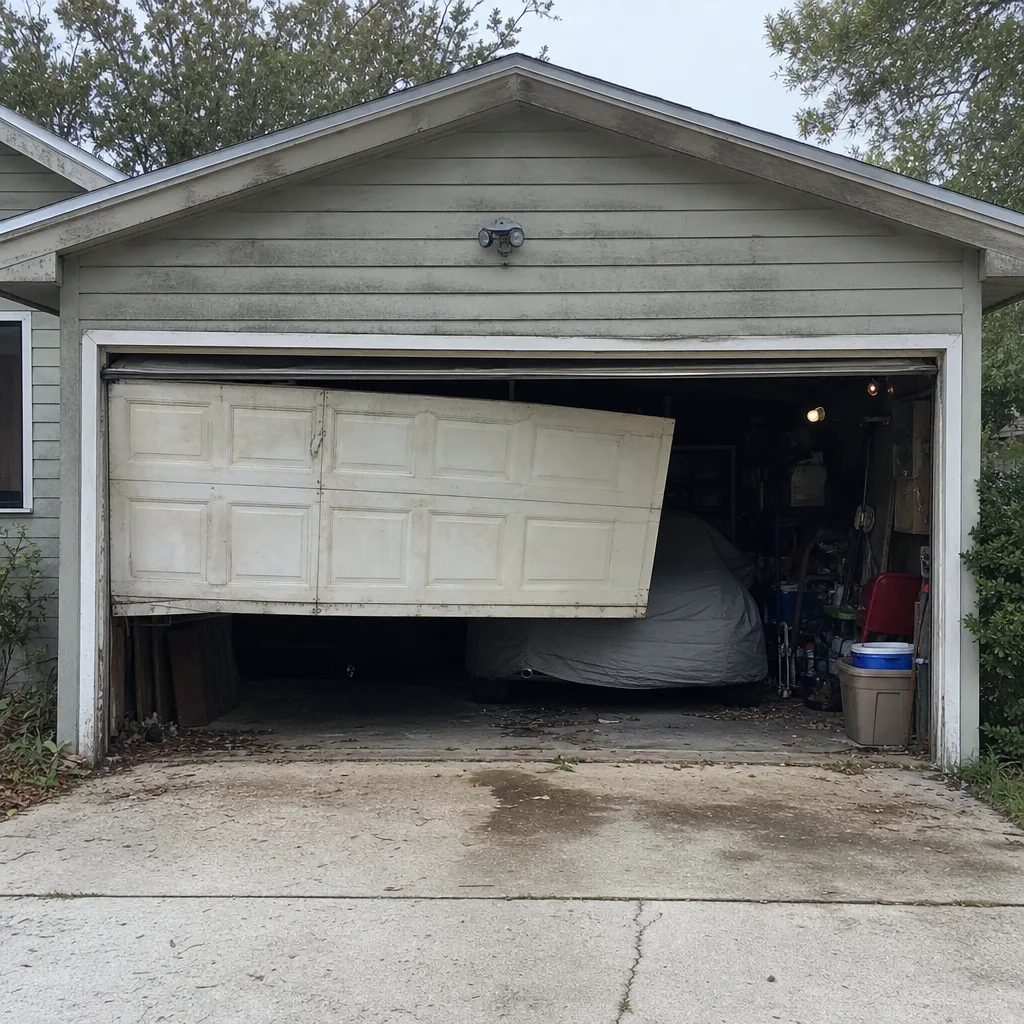 Before
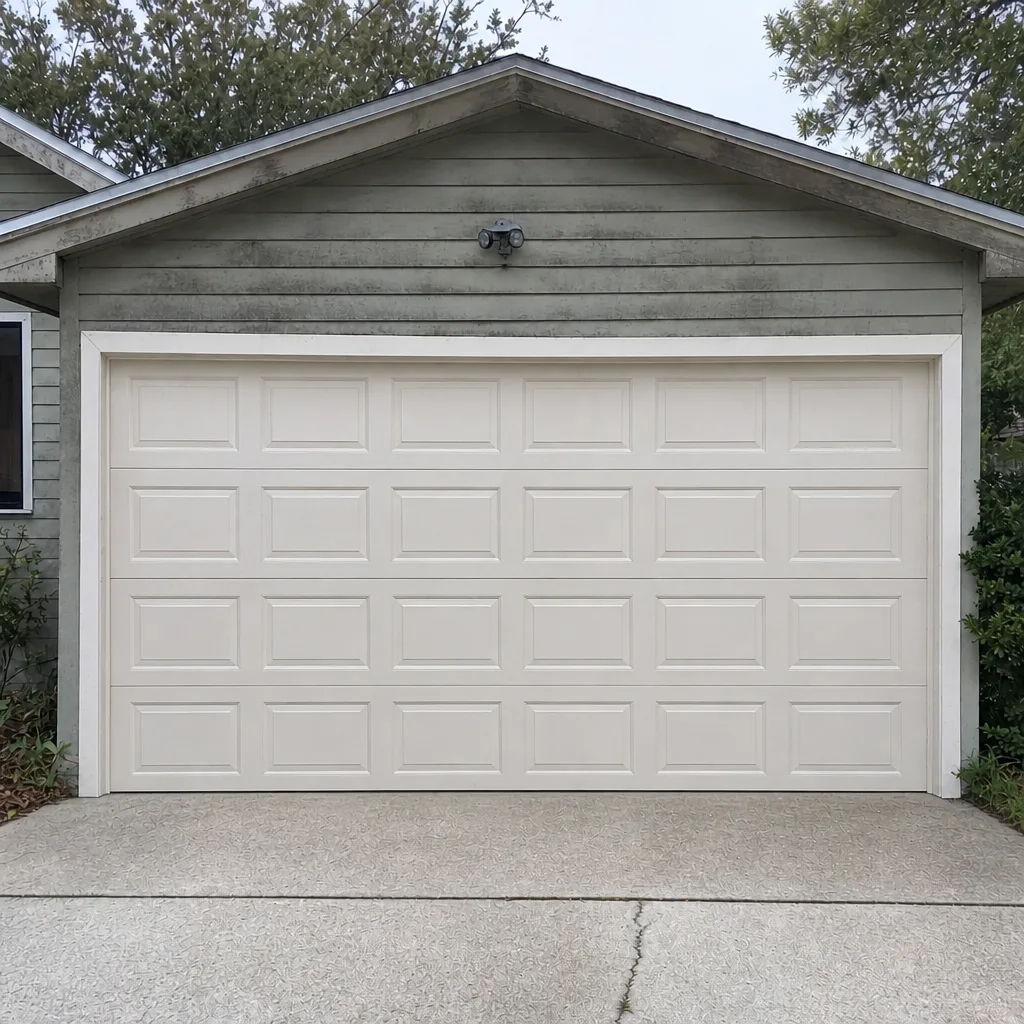 After
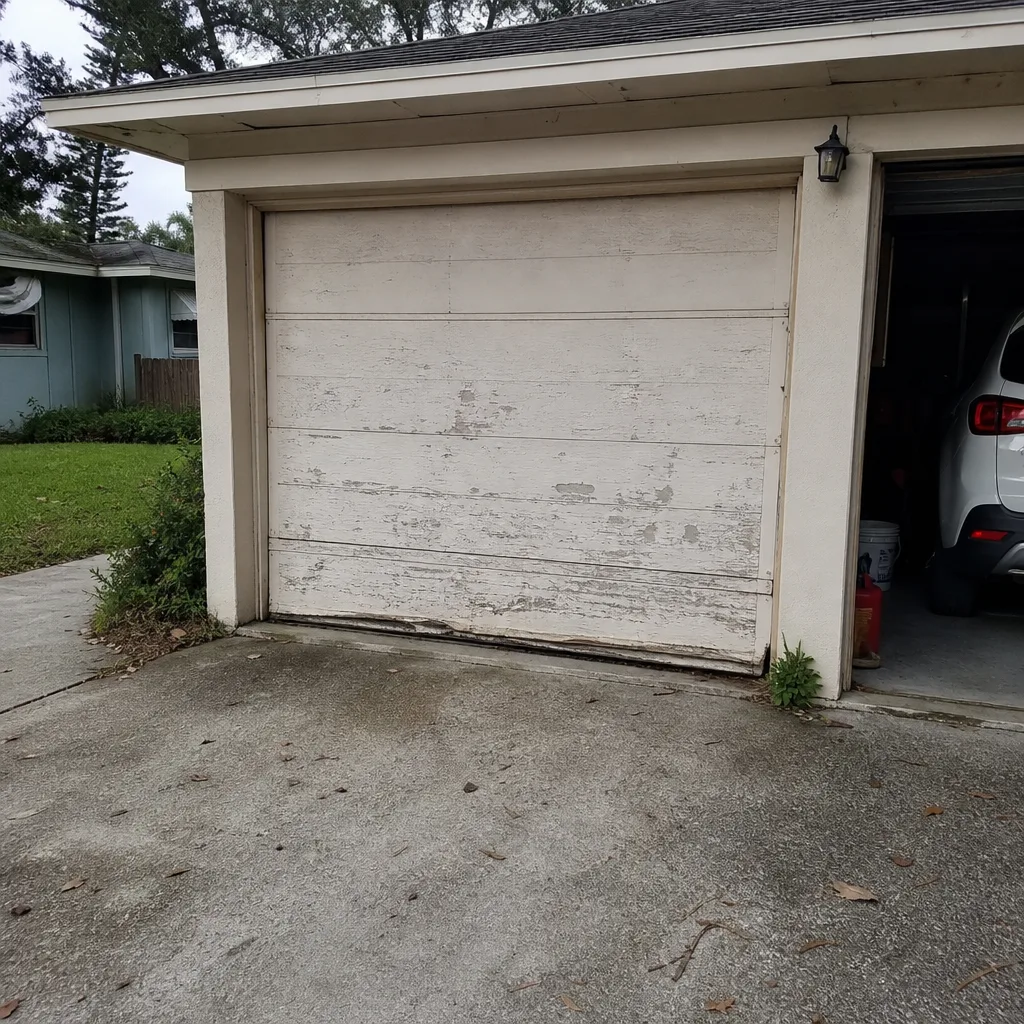 Before
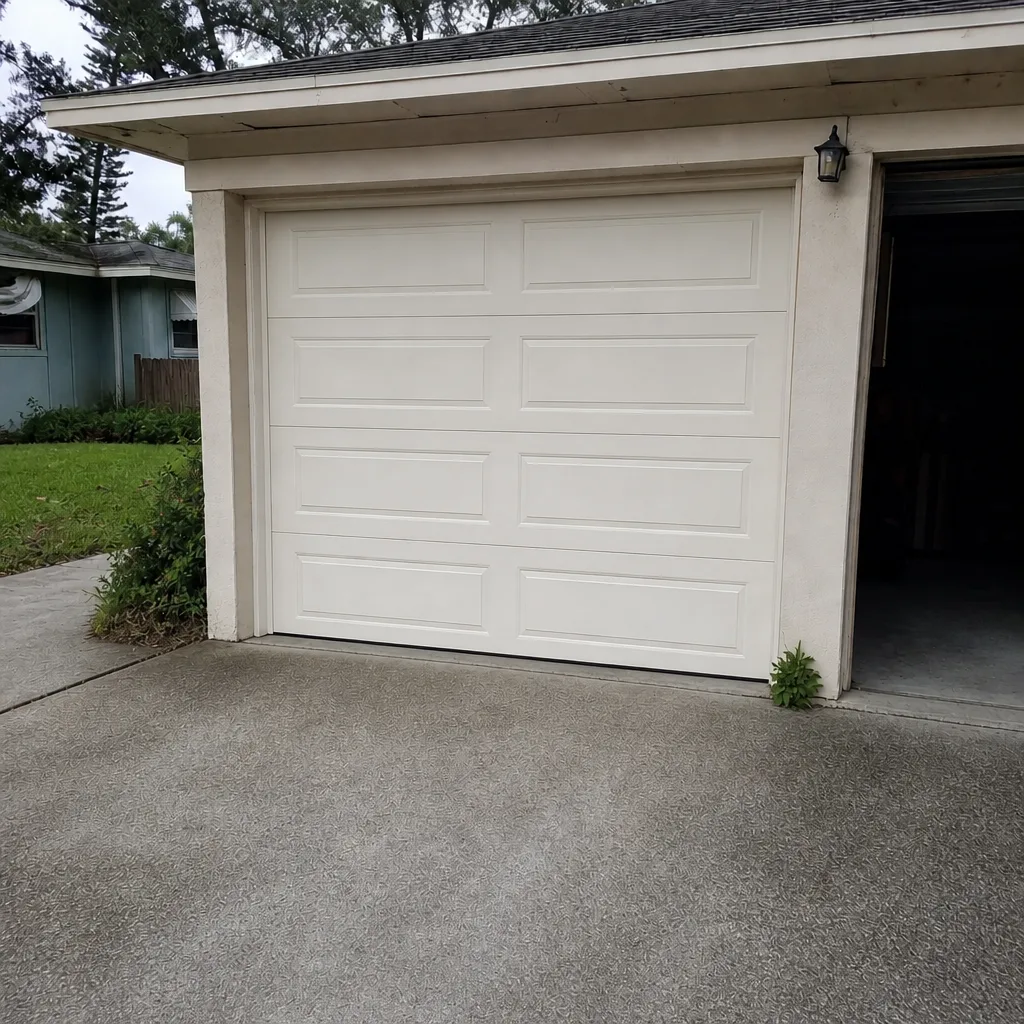 After
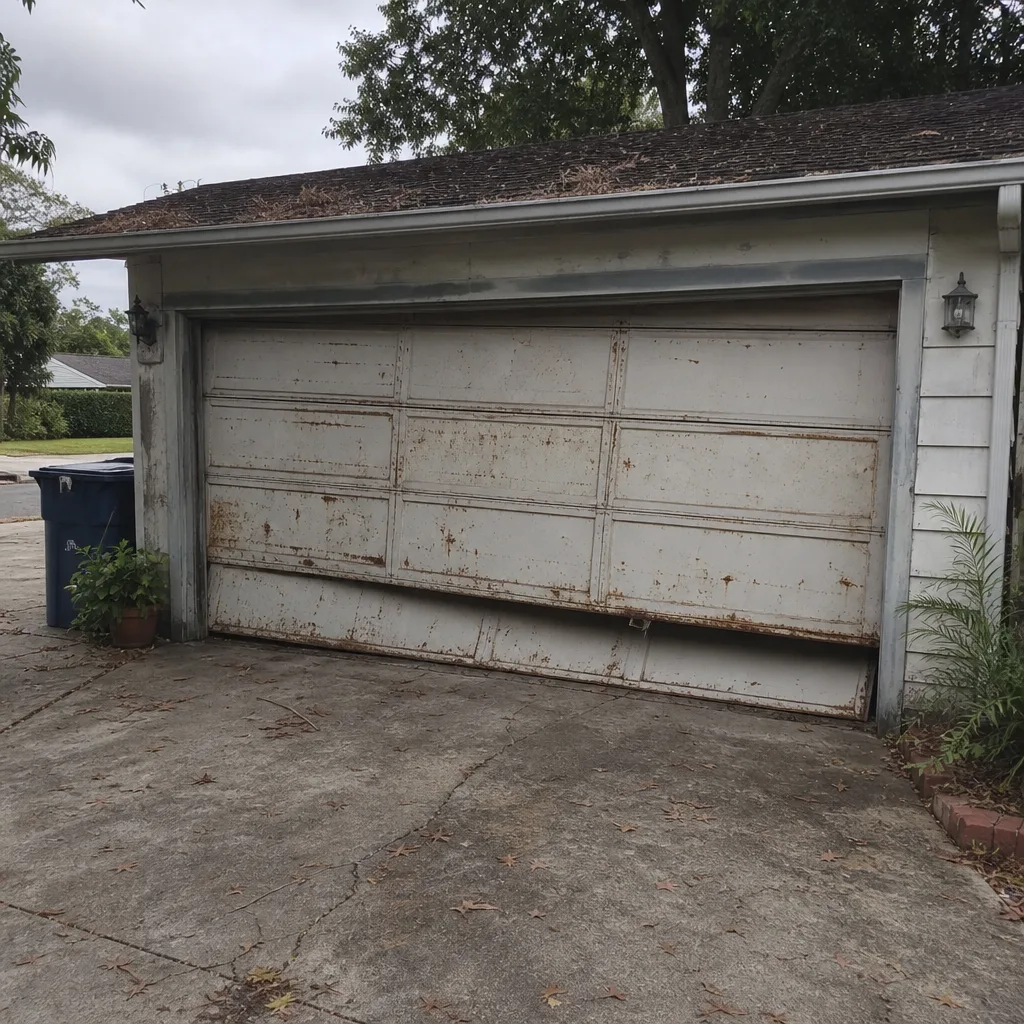 Before
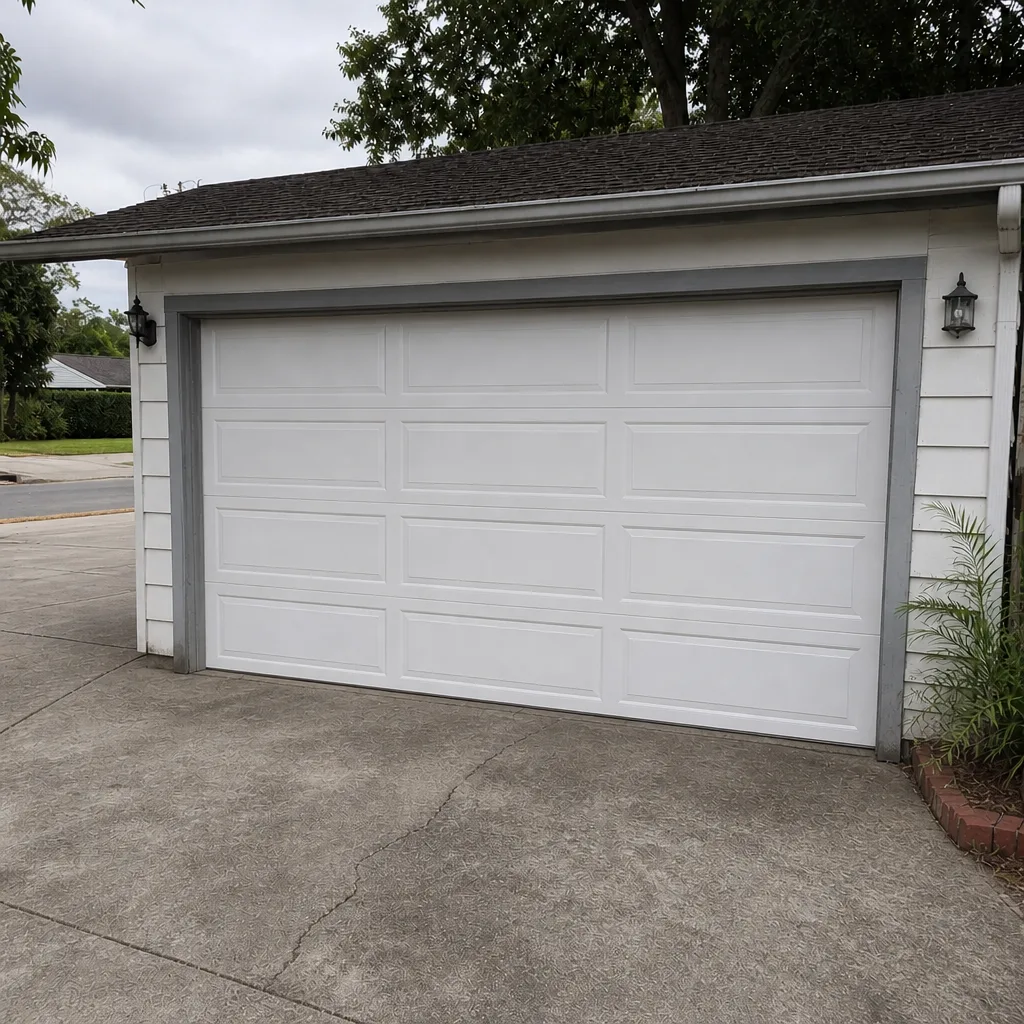 After
When to Call a Professional
Some garage door work is safe to handle yourself, and some isn’t. Spring replacement, cable work, and opener adjustments involving high tension are genuinely dangerous, and we recommend a trained technician for all of them. Any installation where the FPA record, wind zone, and anchor details have to match the permit is likewise a job for a professional. The same goes for opener replacements on a door whose balance and force settings need to be matched to the new unit. Garage Door Repair Old Northeast offers free estimates in Old Northeast – call (877) 492-1990 and we’ll walk you through the options in plain language.
Frequently Asked Questions
There isn’t one universal best brand; the best choice is the specific product line with valid Florida Product Approval for your wind zone, adequate steel gauge, and suitable insulation. Clopay and Amarr both make excellent and builder-grade lines under the same name, so ask for the model number and FPA record. Call (877) 492-1990 for a free estimate – estimates are free.
Because the FPA is an independent, verifiable record that a specific door configuration meets Florida wind-load requirements for a defined size and installation method. The brand name tells you nothing about that; the approval does. Your building department can tell you what documentation your home needs and what design pressure you have to hit.
No. Carriage-house doors vary substantially in base steel gauge, overlay material, and overlay attachment method, and those differences affect both durability and wind performance. Compare the underlying structural door, not just the decorative look. We can review the specs for any brand you’re considering.
Installation pricing depends on the door size, product line, insulation, and whether the opener is being replaced at the same time, so there’s no single number. The written estimate sets the final price and we agree it before any work starts. Call (877) 492-1990 for a free estimate.
No, the price is quoted and agreed before any work starts. If we find something during inspection that changes scope, we’ll talk it through with you before proceeding. That’s the standard on both repair and installation work we handle.
Yes, the local pro is licensed and insured as their state requires. Our technicians have up to 9 years of experience and focus on garage doors, openers, springs, and installation. Call (877) 492-1990 for a free estimate.
The Bottom Line
Brand selection matters, but not in the way most buyers assume. The product line and the Florida Product Approval number inside a brand tell you far more about real-world performance than the logo on the panel. Focus on steel gauge, insulation R-value, section joint construction, carriage-house base-door specs, local parts availability in the St. Petersburg area, and the actual terms of a “lifetime warranty.” If you’re comparing quotes in Old Northeast and want a second set of eyes on the specs, our team can help. Garage doors are all we do, and we work on the brand you already have. Call (877) 492-1990 for a free estimate.
Written by the team at Garage Door Repair Old Northeast.