Last updated November 22, 2026
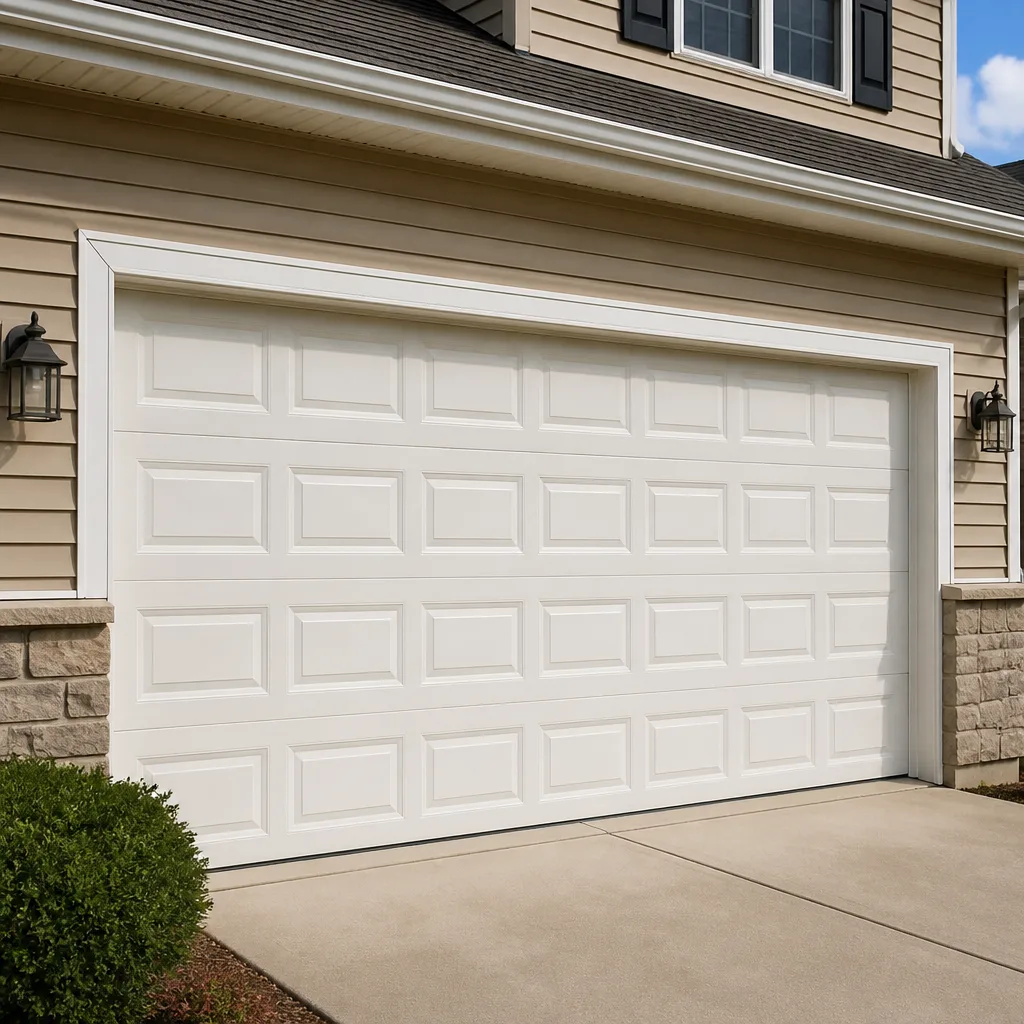 Raised-panel steel
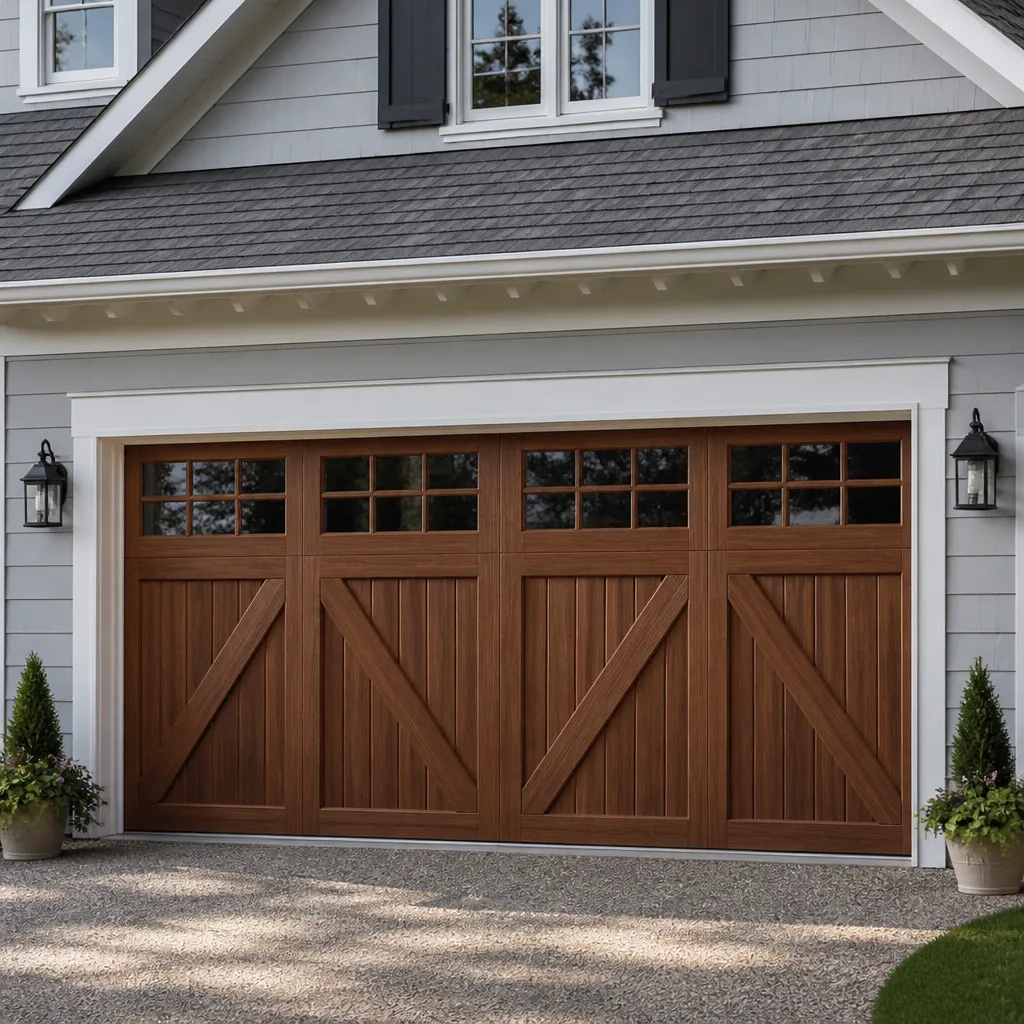 Carriage house
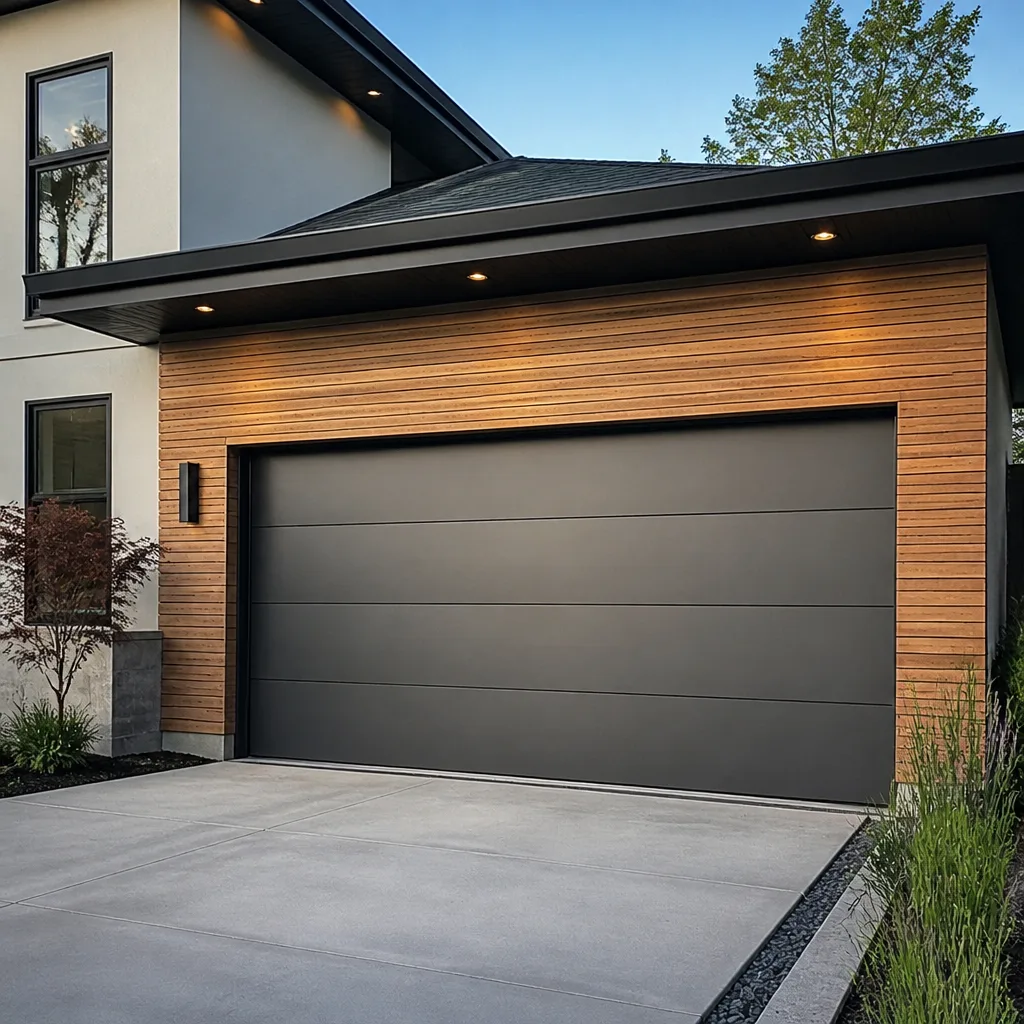 Modern flush
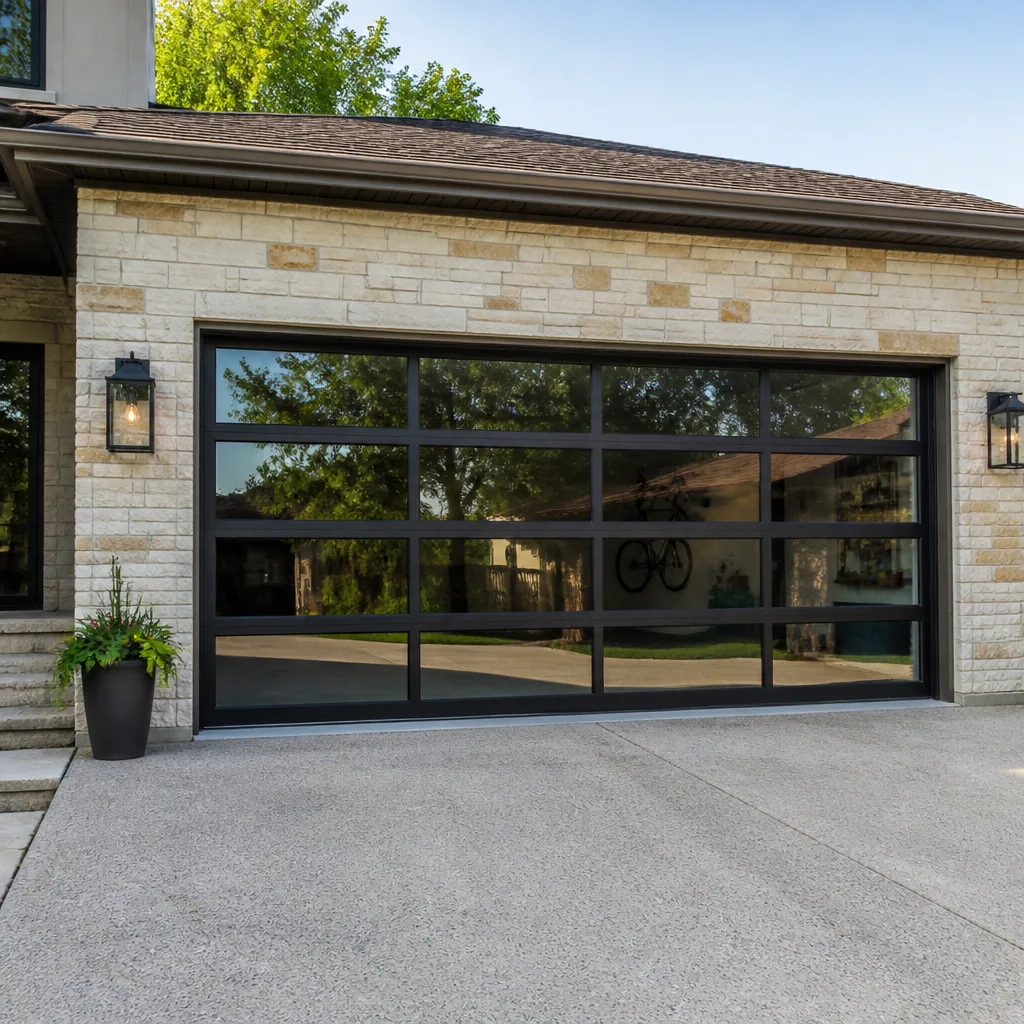 Full-view glass
 LiftMaster openers
 Chamberlain openers
Full 25-point door and opener safety check with every visit - springs, cables, rollers, tracks, and your LiftMaster or Chamberlain opener included
You get a price before we start. It does not change when the pro arrives.
Get your free estimateSeasonal Garage Door Care for Old Northeast: Year-Round Homeowner’s Guide
Most garage door maintenance advice is written for places that get real winters. If you follow it here, you’ll be greasing hinges in July when you should be checking hurricane hardware in May, and you’ll skip the single most important prep window of the year. Old Northeast doesn’t run on a four-season calendar. It runs on a dry season, a hurricane season, and a humidity stretch that each punish your door in different ways. This guide lays out the care schedule that actually fits the climate, from pre-season inspection through post-storm checks, so you know what to do and when to do it.
Quick Answer
In Old Northeast, service your garage door on a three-phase schedule: inspect and reinforce hardware before June 1, watch spring tension and bottom seals through the humid summer, and catch up on lubrication and weatherstripping in the dry late-fall window. Pre-hurricane prep matters more than any single other task on the calendar, and post-storm inspection matters more than most homeowners realize.
Styles & brands we work with
- Raised-panel steel
- Carriage house
- Modern flush
- Full-view glass
- LiftMaster openers
- Chamberlain openers
Table of Contents
- Why a Northern Maintenance Schedule Fails in Old Northeast
- Pre-Hurricane Season Checklist: What to Do Before June 1
- How the Dry Season Treats Your Weatherstripping and Bottom Seal
- Summer Heat Cycling and What It Does to Torsion Spring Tension
- Post-Storm Inspection Protocol
- Why Late Fall Is the Best Time for Lubrication Service
- Brand Matters: Clopay, Amarr, Wayne Dalton and Craftsman Doors
- Your Old Northeast Garage Door Calendar at a Glance
Why a Northern Maintenance Schedule Fails in Old Northeast
Garage doors in Old Northeast live in a climate that never gets cold enough to shut down the mechanisms for months at a time. That sounds easier than a Northern winter. It isn’t. A door that runs year-round never gets a rest period, and the stresses stack up in a different order than they do up north.
Northern schedules are built around the freeze: winterize the door, then wake it up in spring. Here, there’s no winterizing task and no spring wake-up. What you get instead is a dry stretch that dries out rubber seals, a summer of heat cycling that pumps your springs up and down all day, and a hurricane season that can stress the whole assembly in a single afternoon. Each of those phases needs its own attention, and each one needs it at a different point on the calendar.
One thing that does carry over from any climate: a garage door is a heavy, spring-loaded machine, and the torsion spring and the cables that balance it store serious energy. We’ll flag the safety line wherever it matters in this guide, but the short version is that spring, cable and bracket work belongs to a trained technician. Most of the seasonal care below is homeowner-safe inspection and light maintenance. The dangerous repairs are not.
If you’d rather have a specialist handle the whole schedule, our Garage Door Repair Old Northeast team works on the equipment you already own, and a door care visit here is built around this climate rather than a generic national checklist.
Pre-Hurricane Season Checklist: What to Do Before June 1
Hurricane season in Florida begins June 1. Before that date, the goal is simple: make sure every part of your garage door is tight, anchored and documented, so that a named storm finds the assembly at its strongest. This is the one seasonal task in Old Northeast that’s worth doing early and doing thoroughly.
Here’s the pre-season sequence we recommend, in order:
- Check the track and anchor bolts. Look at the vertical and horizontal tracks for loose bolts where they meet the wall and ceiling. A door that vibrates or shakes under load is telling you something is loose. Gently snug anything that’s backed out; if a bolt won’t hold, that’s a structural question for a professional, not a Saturday project.
- Inspect the bottom seal and side weatherstripping. Run a hand along the bottom seal and look for cracking, curling or gaps. A seal that’s pulling away is doing two jobs badly: keeping water out and cushioning the door as it closes.
- Test the auto-reverse and safety sensors. Put a board or a box in the door’s path and confirm the door reverses when it meets resistance. Then check that the photo-eye sensors at the base of the tracks are aligned, clean and lit. These are your primary safety systems and they need to work before a storm, not after.
- Look at the springs and cables. You’re checking for obvious signs of wear, not adjusting anything. If you see a gap, a kink, rust, or a frayed cable, stop and call a specialist. Do not touch a torsion spring or a cable under tension. This is the dangerous part of the machine and the one thing on this list that’s never a DIY check beyond a visual.
- Confirm the opener’s manual release works. During a power outage after a storm, you’ll need to disengage the door by hand. Pull the release handle (with the door closed and the spring system intact) and confirm it operates smoothly, then re-engage it.
- Document the door. Photos of the whole assembly, the brand and model plate, and the opener label. If a storm damages the door, those photos make the insurance conversation much simpler. Know your door’s brand – if it’s a Clopay, Wayne Dalton or Amarr, note the model so a repair tech knows what they’re working with.
- Clear the bay. In a storm warning, remove anything from the garage that could become a projectile or get waterlogged, and know how you’ll secure the door if power fails.
A pre-season check like this is exactly the kind of work a specialist does quickly and safely. If you want it handled before the deadline, garage door repair visits cover hardware tightening, seal inspection and sensor testing, and the technician can flag anything that needs a real repair before the season starts.
How the Dry Season Treats Your Weatherstripping and Bottom Seal
Old Northeast’s dry months are gentle on metal and hard on rubber. The weatherstripping around the door perimeter and the bottom seal along the threshold are the two components that take the most punishment in this stretch, and they’re the two most homeowners forget until a door starts rattling or water starts coming in.
What happens is straightforward. Rubber and vinyl seals are formulated to stay flexible. Prolonged dry heat pulls the plasticizers out of them, and they harden, shrink and crack. A bottom seal that was pliable in the spring can be stiff and brittle by the end of the dry season. Then the summer rain arrives and finds every gap.
What to check during the dry season:
- Bottom seal: look for flattening, splits at the corners, or a visible gap when the door is closed. A seal that’s lost its cushion also stops protecting the door’s edge from impact as it lands.
- Side and top weatherstripping: run a finger along the strip and check for cracks, curling or sections that have pulled away from the stop molding.
- Threshold: confirm the door seats evenly on the threshold across its full width. Uneven seating points to a track or spring problem, not just a worn seal.
- Paint and finish: the dry season is the right time to touch up any chipped paint on a steel door and to inspect wood components for drying and splitting.
Replacing a bottom seal or perimeter weatherstripping is one of the few genuinely homeowner-friendly garage door tasks, provided the door is closed and the spring system is untouched. If the seal is badly worn or the door isn’t sealing evenly, have a technician look at it – a misaligned door wears out new seals fast. That’s part of what we check on any garage door repair visit in Old Northeast.
Summer Heat Cycling and What It Does to Torsion Spring Tension
Here’s a piece of garage door physics that matters more in Old Northeast than in most places. A torsion spring holds your door in balance by storing energy as it winds. Every time the door opens and closes, the spring cycles through that wind and unwind. Heat changes the metal’s behavior, and in a Florida summer your door might cycle dozens of times a day.
The practical effect: a spring that was perfectly balanced in the dry season can feel slightly off by mid-summer. The door may open a little slower, close a little faster, or sit unevenly when raised. Those are early signs that tension has drifted or the spring is fatigued, and they’re worth paying attention to before they become a snapped spring.
What to watch for during the summer:
- Uneven movement: the door rises or falls faster on one side.
- Sluggish starts: the opener strains at the beginning of the cycle.
- New noises: a popping, creaking or grinding that wasn’t there in the spring.
- A door that won’t stay up: if the door drifts down when you lift it by hand (carefully, with the opener disengaged), the springs are losing balance.
What you should not do is attempt to adjust the torsion spring yourself. That spring is under high tension and a wrong move can cause serious injury. Tension adjustments are a job for a trained technician with the right winding bars and the right knowledge. Our garage door repair team handles spring adjustments and makes sure the balance is actually correct, not just quiet.
It’s also worth noting that the opener itself takes a beating in the summer heat. If your LiftMaster or Chamberlain opener is straining, garage door opener repair covers the motor, the logic board and the safety systems so the whole door cycle stays healthy.
Post-Storm Inspection Protocol
A garage door can look fine after a named storm and still be compromised. Wind loading, flying debris and water intrusion don’t always leave an obvious mark, and the damage that hides is the damage that costs you later. After any significant storm in Old Northeast, run through this protocol even if the door “seems fine.”
- Don’t force the door. If it won’t open smoothly, stop. A door that survived the storm may have a bent track, a shifted panel or a stressed spring, and forcing it makes all three worse.
- Check the tracks visually. Look for bends or dents along the vertical and horizontal runs. A bent track will throw the door off its rollers.
- Look at the panels. Inspect for dents, separations between panels, and any sign that a section has shifted out of line.
- Check the springs and cables again. Visual only. Look for a broken spring (an obvious gap in the coil), a cable off its drum, or a cable that’s come loose.
- Test the safety sensors and auto-reverse. Clean any debris off the photo-eyes, confirm they’re aligned and lit, and re-test the auto-reverse with an object in the path.
- Look for water intrusion. Check the bottom seal and the threshold. Water that got in under the door is a sign the seal needs replacing.
- Run the door once, carefully. With the opener engaged, cycle it fully open and closed and listen for anything new. Any grinding, popping or uneven motion means a call to a specialist.
If anything in that list turns up a problem, we treat it as urgent. Emergency garage door service is a core part of what we do, and when your door won’t move, we will get someone out to diagnose it. Call (877) 492-1990 and we’ll get a technician scheduled.
Why Late Fall Is the Best Time for Lubrication Service
This one surprises people. The conventional advice is to lubricate in the spring, when you’re “opening up” the door for the year. In Old Northeast, the right time is late fall, in the dry window after the summer humidity has broken. Here’s why.
Lubrication’s job is to reduce friction on the moving parts: hinges, rollers, the torsion spring, the opener’s rail and chain. In a humid summer, the moving parts are exposed to moisture and airborne grit, and any lubricant you applied in the spring tends to thin, migrate or collect dust. By the time fall arrives, whatever you did in spring has degraded. The dry season gives you a clean, stable window to re-lubricate and know it’ll stay put.
What a late-fall lubrication service involves:
- Hinges and rollers: a silicone-based or lithium-based lubricant on the hinge pivot points and the roller bearings.
- The torsion spring: a light coating along the length of the spring (technician task – don’t reach into a wound spring yourself).
- The opener’s rail, chain or belt: the correct lubricant for the drive type. LiftMaster and Craftsman belt drives take a different treatment than a chain drive.
- Track cleaning: wipe down the tracks, check for grit and confirm the door runs smoothly along them.
- A full inspection: lubrication is a good excuse to have a technician look at the whole system and catch anything the summer stressed.
That late-fall visit is worth scheduling now. If you’d like it done before the year turns, garage door repair covers lubrication and inspection, and it’s cheaper than fixing the wear that skipping it causes.
Brand Matters: Clopay, Amarr, Wayne Dalton and Craftsman Doors
Every seasonal task in this guide assumes the technician knows your door. That’s not a small thing. Clopay doors have their own weatherstripping and bottom seal profiles. Amarr panels use specific hardware patterns. Wayne Dalton and Craftsman systems each have their own track tolerances and opener compatibility. A specialist who works on the brand you already own will diagnose faster and recommend the right parts the first time.
We work on LiftMaster, Chamberlain, Genie, Clopay, Amarr, Wayne Dalton, Craftsman and Raynor equipment, and the seasonal care above is built around how those systems actually wear in this climate. If your door is due for a spring replacement or a new installation, the same brand knowledge applies. Our garage door installation work covers a full door replacement when the existing one has reached the end of its life.
And if you’re carrying out this dry-season checklist and your current door is old and tired, a replacement is a decision worth pricing out. We provide free estimates for installation in Old Northeast.
Your Old Northeast Garage Door Calendar at a Glance
Here’s the whole year on one page. Use this as your reminder list.
| Time of Year | Phase | Key Tasks |
|---|---|---|
| Late winter to spring (before June 1) | Pre-hurricane prep | Inspect tracks and anchor bolts, bottom seal and weatherstripping, test auto-reverse and sensors, visual spring and cable check, confirm manual release, document the door, clear the bay |
| June through September | Hurricane season and heat cycling | Watch for uneven movement and new noises, get spring tension checked, keep the opener and sensors clean |
| Dry season | Seal maintenance | Inspect and replace bottom seals and perimeter weatherstripping, touch up paint |
| After any named storm | Post-storm inspection | Don’t force the door, check tracks, panels, springs and cables visually, re-test sensors, check for water intrusion, run the door once carefully |
| Late fall (post-humidity) | Lubrication and full inspection | Lubricate hinges, rollers, torsion spring, opener rail, clean tracks, full system inspection |
Common Mistakes to Avoid
- Applying a Northern winter schedule. There’s no winterizing task here and no spring wake-up, so following that calendar means you skip the pre-hurricane prep that actually matters and waste time on tasks that don’t fit the climate.
- Skipping the pre-June 1 inspection. Hurricane season starts June 1 whether you’re ready or not. Inspecting in August is inspecting after the risk.
- Adjusting the torsion spring yourself. This is the most dangerous part of the door. What looks like a small tension tweak can cause serious injury. Leave spring and cable work to a specialist.
- Assuming the door is fine after a storm. Wind loading and hidden damage don’t always show on the surface. Run the post-storm protocol every time.
- Lubricating in spring instead of late fall. The pleasant weather makes spring a tempting time, but a spring lubricant job degrades through the summer humidity. Late fall is the window that holds.
- Ignoring a slow or uneven door in summer. A door that starts moving oddly in the heat is telling you tension has drifted. Catching it early avoids a snapped spring.
- Forgetting to document the door before the season. Photos of the brand plate, model and assembly make an insurance claim after a storm far easier to file.
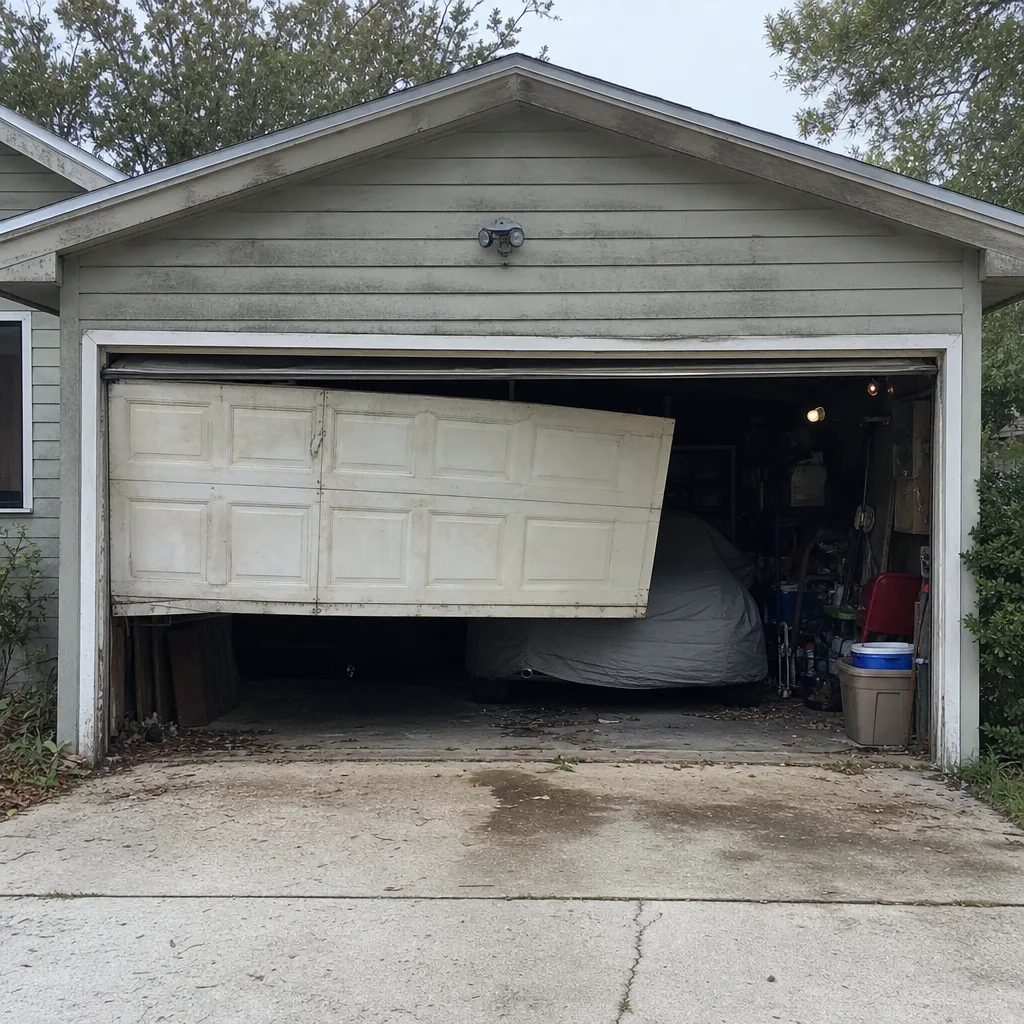
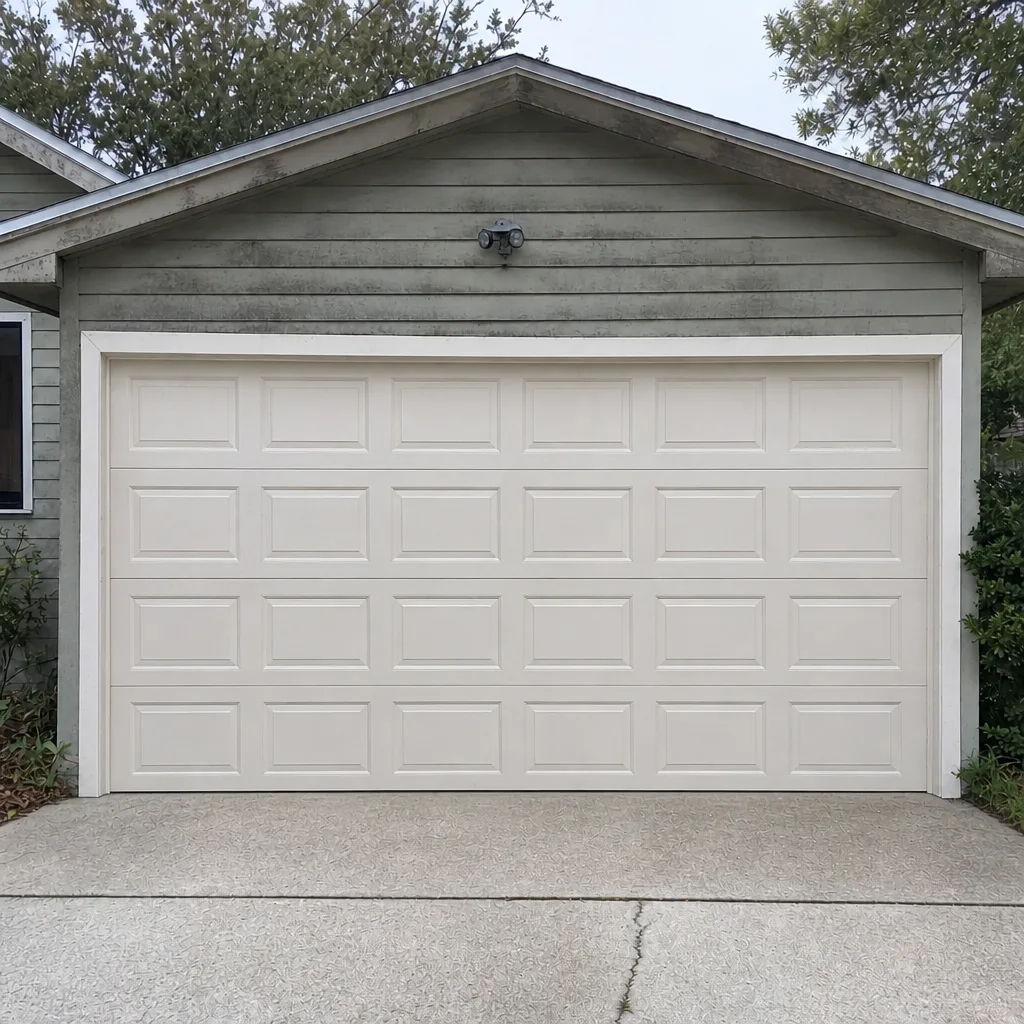
See the difference
 Before
 After
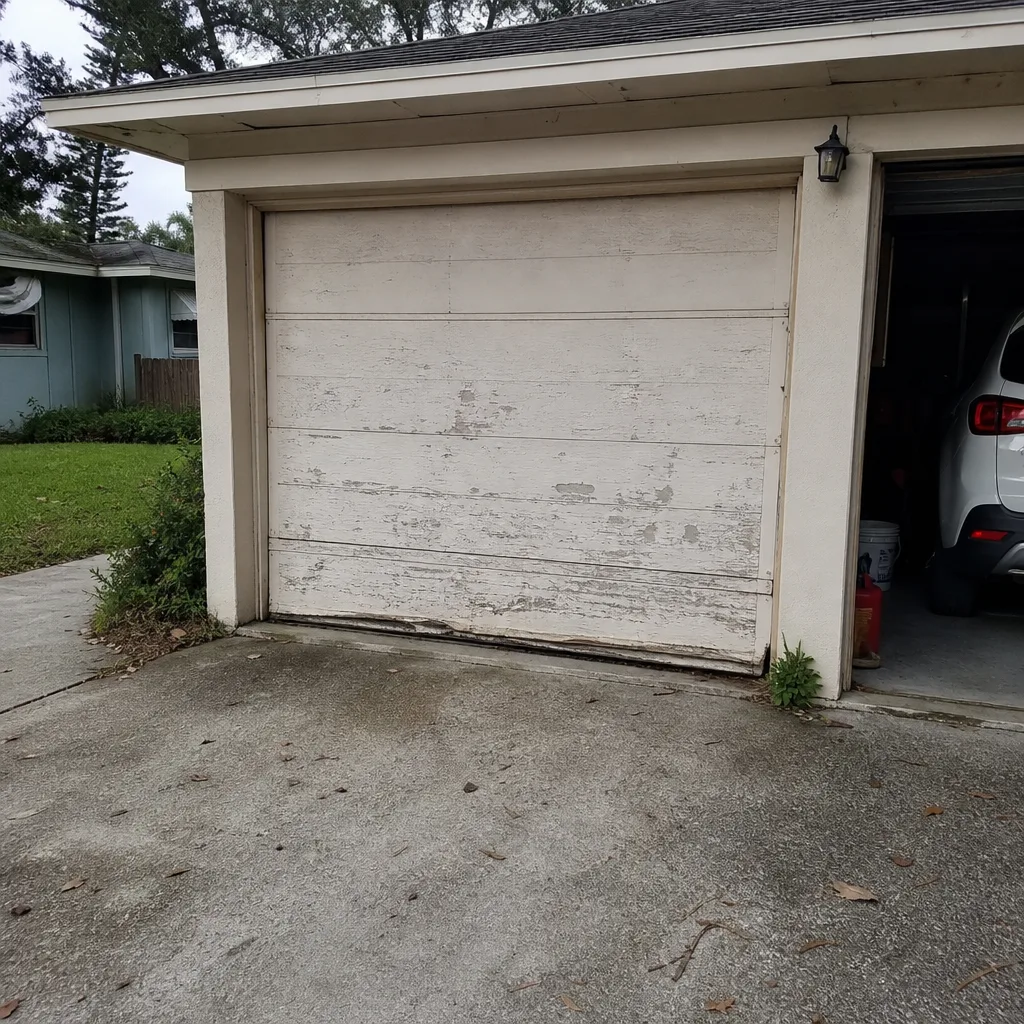 Before
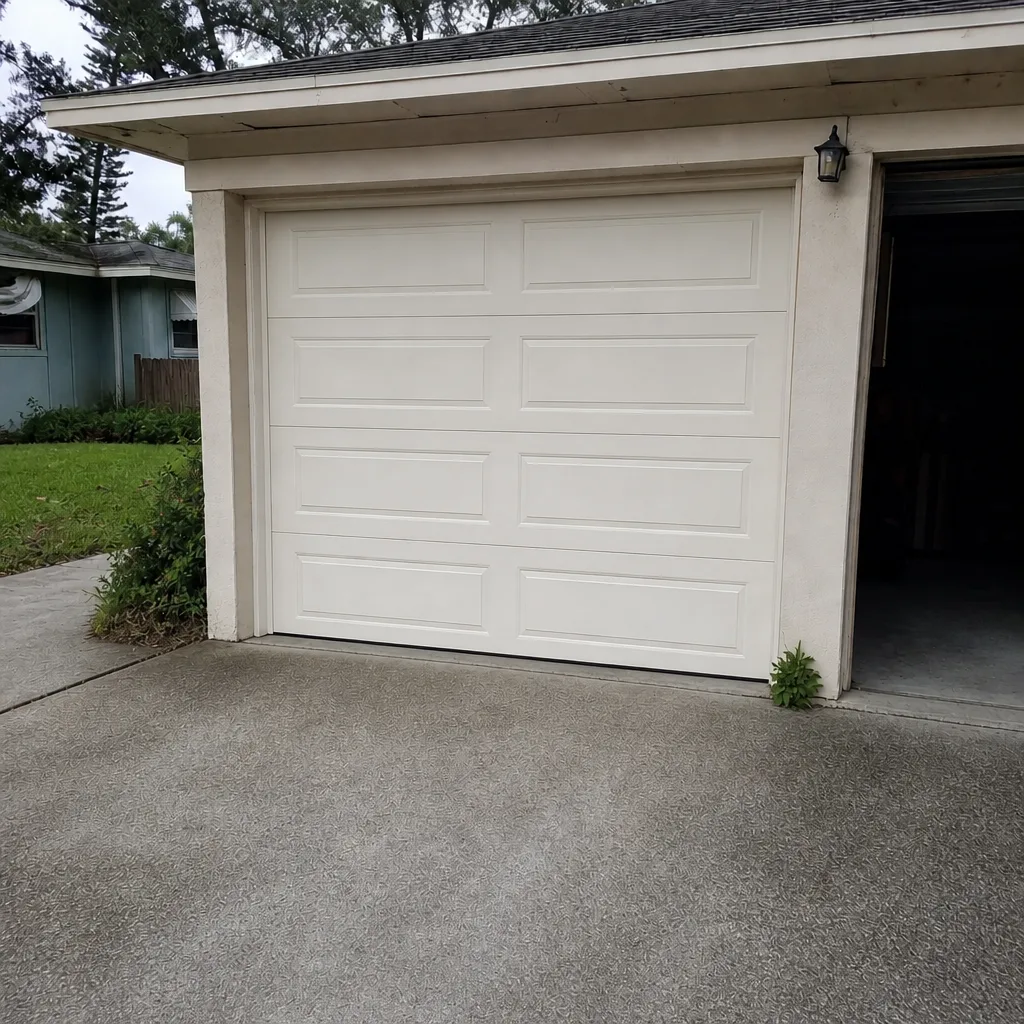 After
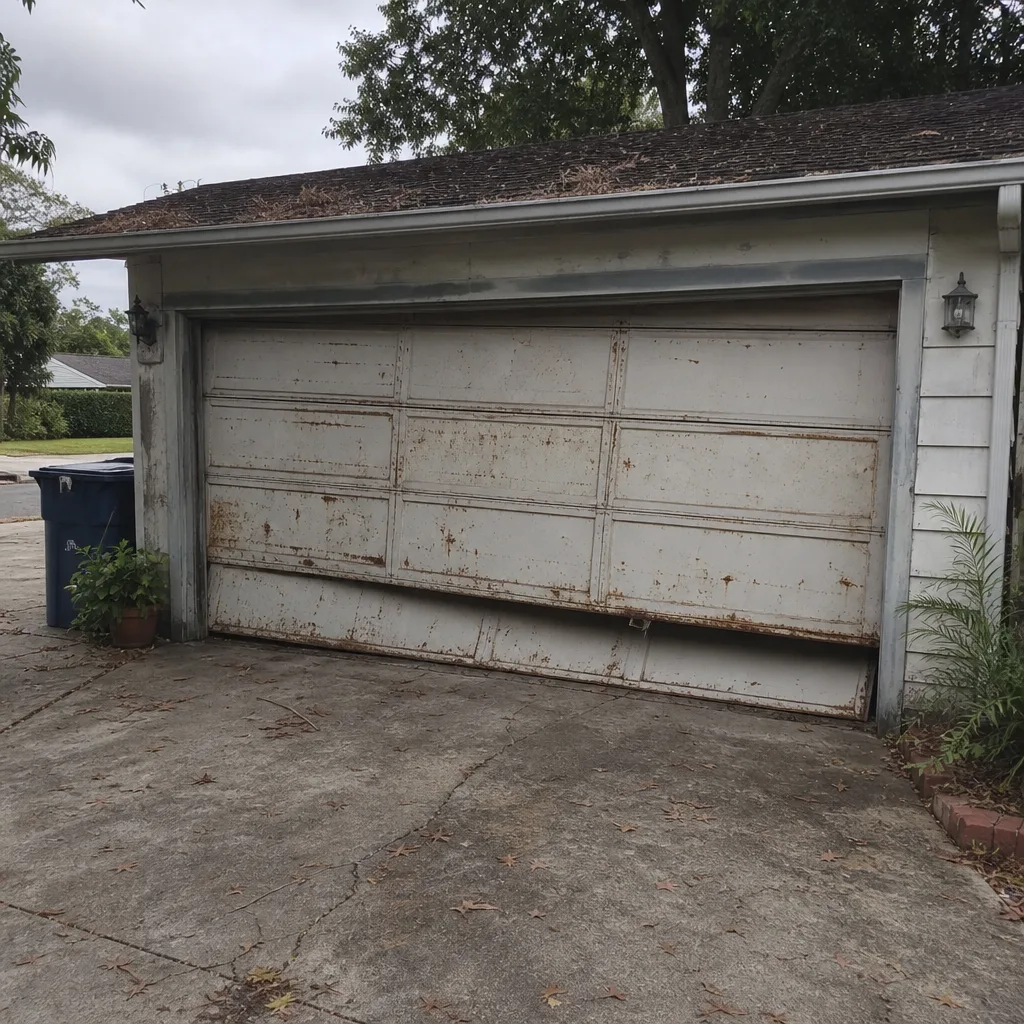 Before
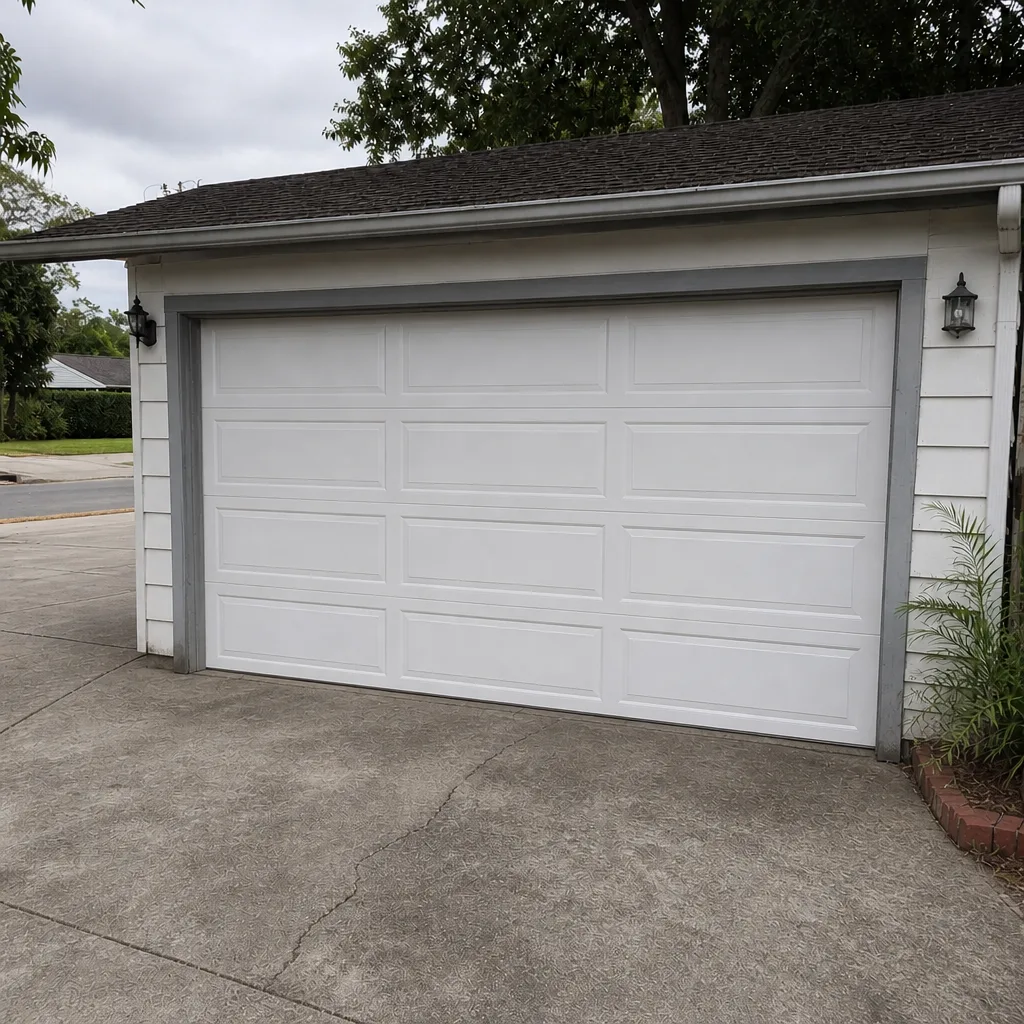 After
When to Call a Professional
Some of this guide is homeowner-safe: checking seals, testing sensors, documenting the door and cleaning tracks. Other parts are not. Call a professional if you see a broken spring, a frayed or loose cable, a bent track, a door that won’t stay up, a door that moves unevenly, a door that makes new popping or grinding noises, or any sign that the outer limits of the door have shifted. Also call if a storm has passed and you’re unsure whether the door is sound. Those are not homeowner diagnostics. Garage Door Repair Old Northeast offers free estimates in Old Northeast. Call (877) 492-1990.
Frequently Asked Questions
Before June 1. That’s when Florida’s hurricane season begins, and the pre-season window is the right time to inspect tracks and anchor bolts, check the bottom seal and weatherstripping, test the safety sensors and auto-reverse, and document the door. Doing it before the season starts means any needed repairs can be handled without a rush. Call (877) 492-1990 for a pre-season inspection.
Heat cycling changes torsion spring tension. In Old Northeast’s summer, the door may open or close dozens of times a day through hot stretches, and a spring balanced in the dry season can feel slightly off by mid-summer. A door that moves unevenly or starts sluggishly is showing early signs of tension drift. Have it checked before the spring fatigues further. Call (877) 492-1990 to schedule a spring check.
Late fall. In this climate, a spring lubrication job degrades through the summer humidity, so by fall the moving parts need a fresh application. Late fall, after the humidity has broken, is the window where lubricant stays put and gives the best protection through the dry months. Call (877) 492-1990 to book a lubrication and inspection visit.
Don’t force the door if it won’t move smoothly. Check the tracks for bends, inspect the panels for dents and separations, do a visual check of the springs and cables (no touching), test the safety sensors, look for water intrusion at the bottom seal, and then run the door once carefully if everything looks sound. Any grinding, popping or uneven motion means calling a specialist. Call (877) 492-1990 if you’re unsure.
Yes, mainly through your seals. Prolonged dry heat hardens and cracks rubber and vinyl weatherstripping, so the bottom seal and perimeter strips can shrink and fail before the summer rain arrives. The dry season is the right time to inspect and replace those seals. Call (877) 492-1990 if you’re not sure whether your weatherstripping needs replacing.
Yes. We work on Clopay, Amarr, Wayne Dalton, Craftsman and other major brands, including LiftMaster, Chamberlain, Genie and Raynor openers. Seasonal maintenance, spring repair and weatherstripping replacement are all done on the brand you already own. Call (877) 492-1990 to schedule service.
The Bottom Line
Old Northeast’s garage doors need care on a different calendar than the rest of the country uses. The dry season, hurricane season and humidity spike each stress the door in their own way, and each needs its own attention at the right time. The single most important thing you can do is the pre-June 1 hurricane prep. After that, keep an eye on spring tension through summer, replace failing seals in the dry season, and book your lubrication in late fall. Get those four windows right and most garage door failures are avoidable. When something goes wrong, Garage Door Repair Old Northeast is one call away at (877) 492-1990.
Written by the team at Garage Door Repair Old Northeast.