Last updated November 22, 2026
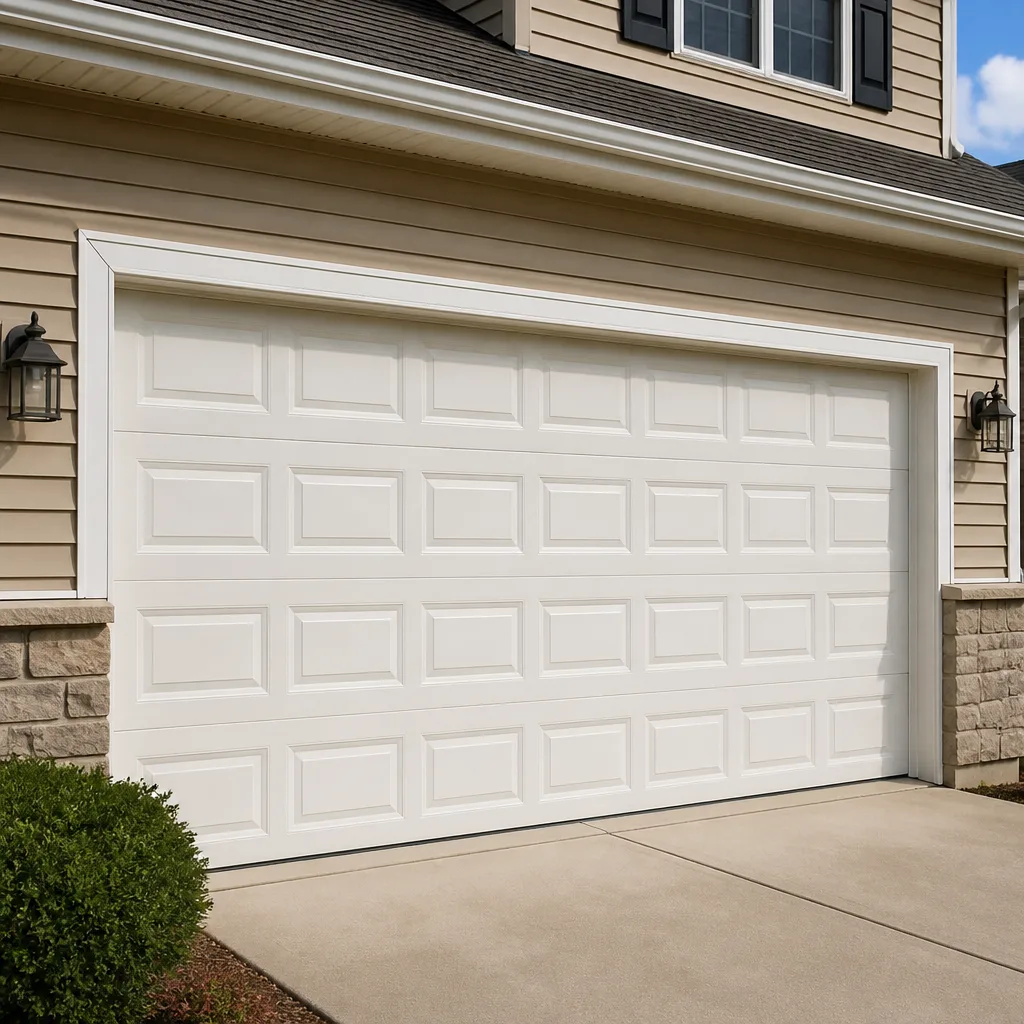 Raised-panel steel
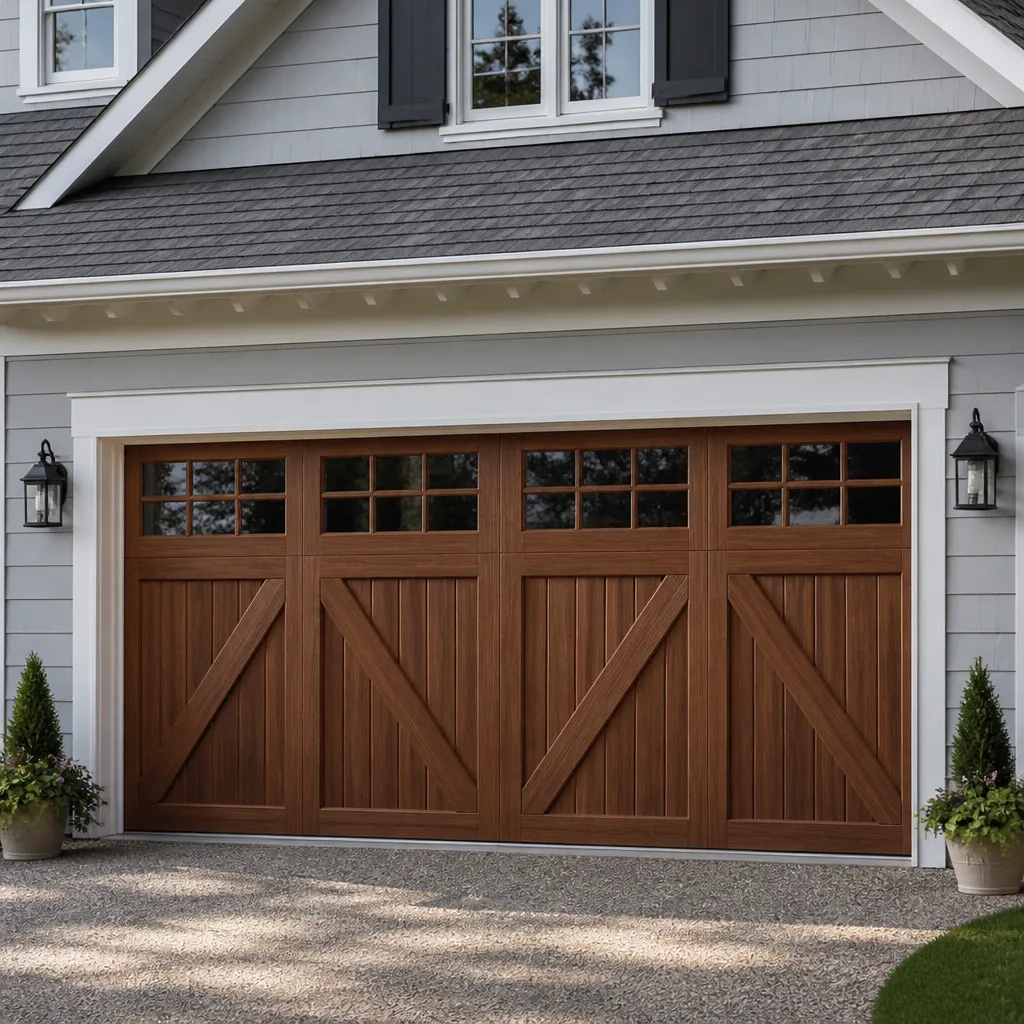 Carriage house
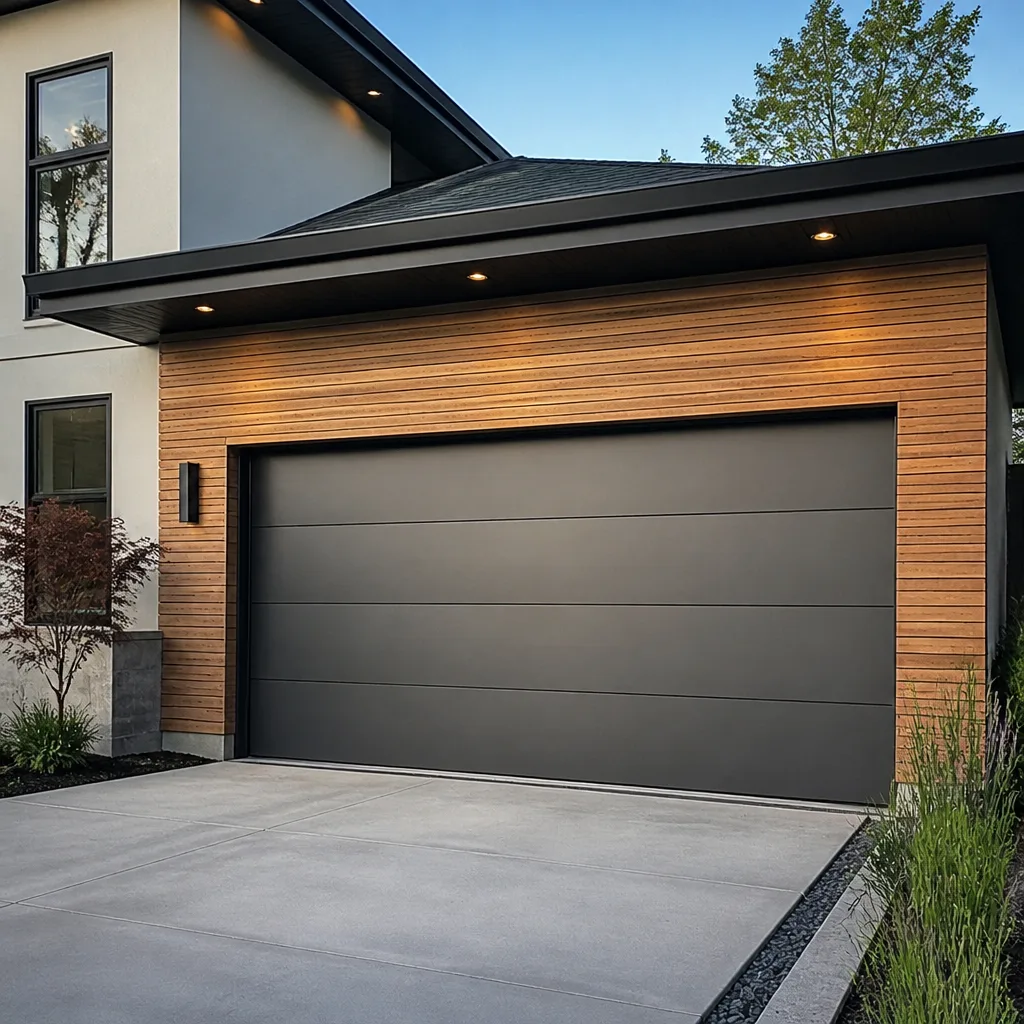 Modern flush
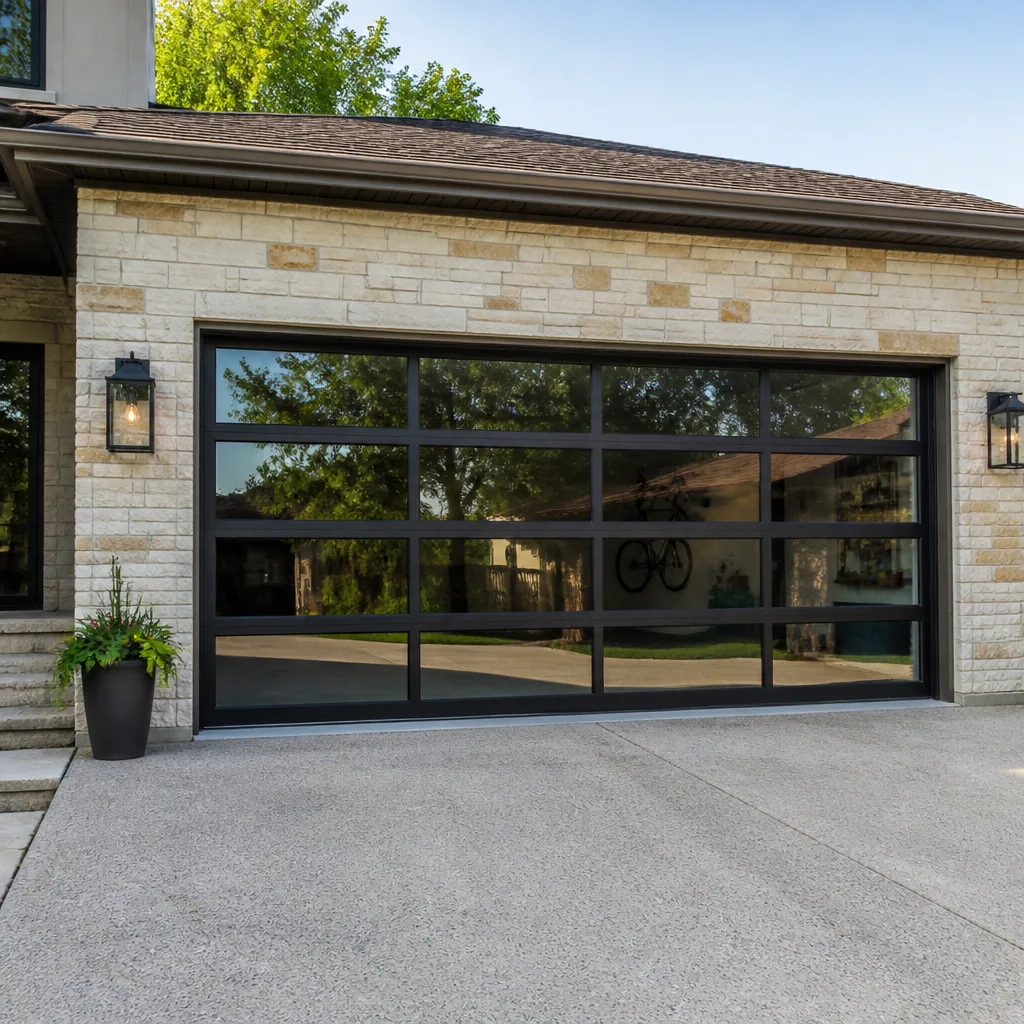 Full-view glass
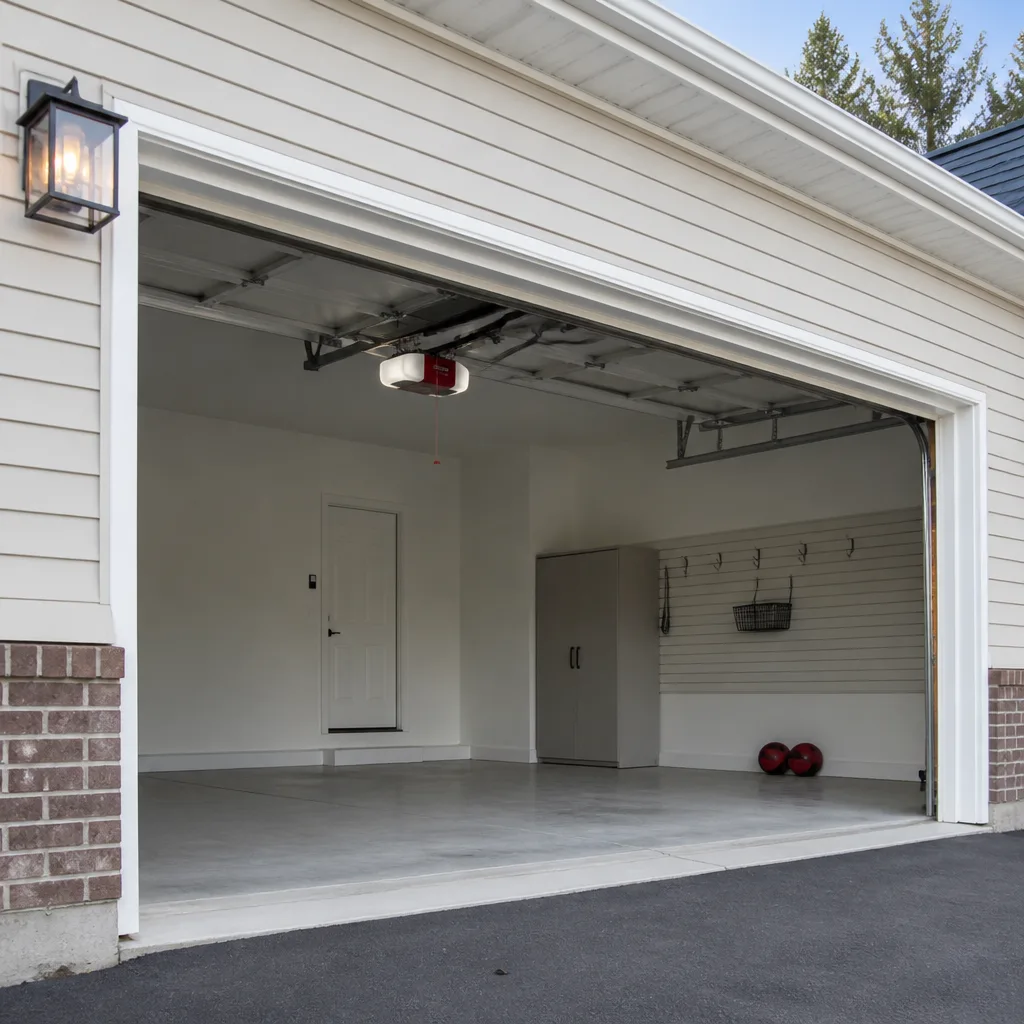 LiftMaster openers
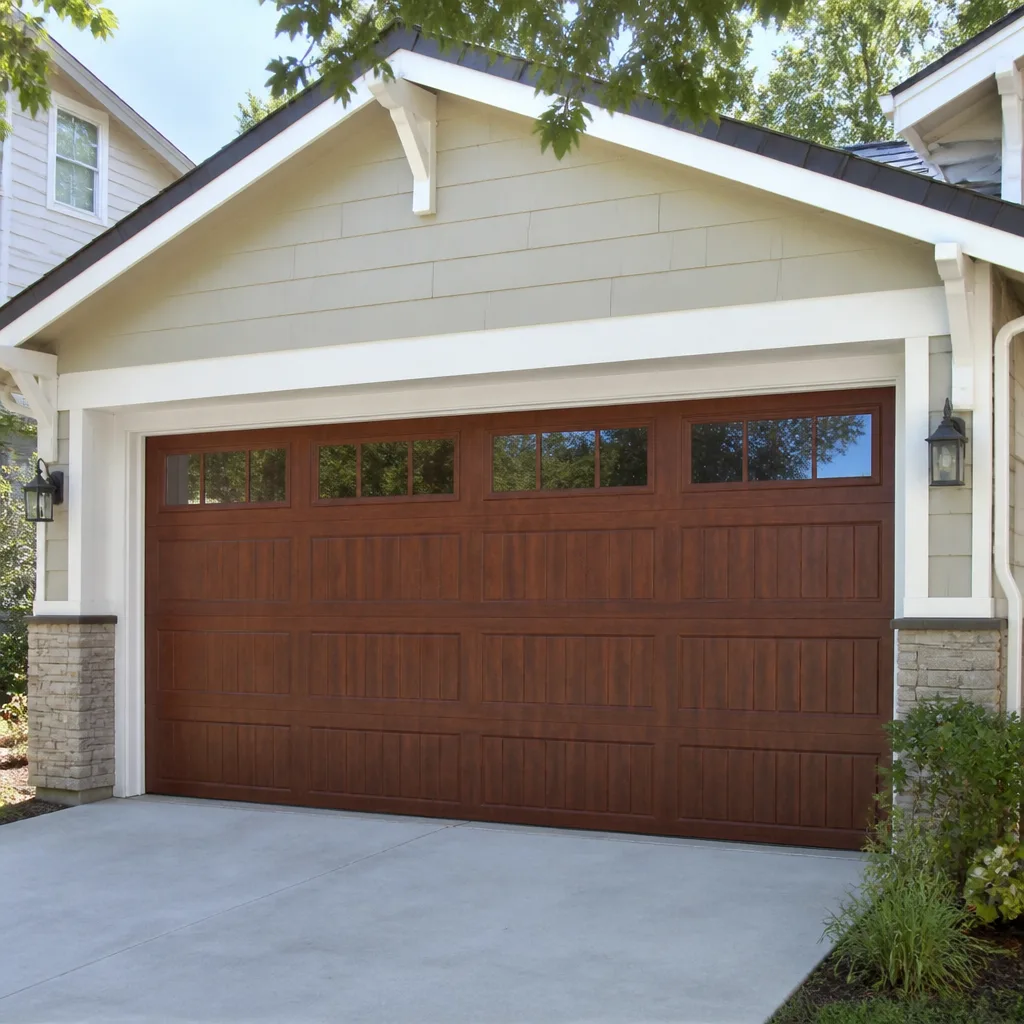 Chamberlain openers
Full 25-point door and opener safety check with every visit - springs, cables, rollers, tracks, and your LiftMaster or Chamberlain opener included
You get a price before we start. It does not change when the pro arrives.
Get your free estimateHow to Hire a Garage Door Contractor in Old Northeast: A Step-by-Step Guide
Three of the most common garage door complaints we see in Old Northeast started with a contractor who also does fencing, pressure washing, and drywall. That isn’t a knock on handymen – it’s an observation about what happens when a door gets installed or repaired by someone who does four other things all week. Garage doors are a system of calibrated springs, cables, tracks, and a motor that all have to agree with each other, and the gap between “it opens now” and “it’s set up right” is where money disappears. This guide walks you through how to tell a garage door specialist from a generalist, what paperwork to demand before anyone touches your door, and the exact questions that separate installers from technicians. We’ll cover it all below for Old Northeast.
Quick Answer
To hire a garage door contractor in Old Northeast, verify the contractor’s state license and insurance in Florida’s contractor database, ask for brand-specific experience with the door or opener you actually own, and insist on a written itemized estimate that separate parts from labor before any work begins. Specialization matters more than the lowest bid: a company that only does garage doors will catch spring cycle ratings, track alignment, and opener compatibility issues that a generalist misses. The written quote should be the price, and you should have it in hand before the first bolt turns.
Styles & brands we work with
- Raised-panel steel
- Carriage house
- Modern flush
- Full-view glass
- LiftMaster openers
- Chamberlain openers
Table of Contents
- Why specialization matters in Old Northeast
- What documents to request before any work starts
- How to verify a contractor in Florida’s database
- Five interview questions that reveal real expertise
- Spring cycle ratings: the spec most homeowners never see
- How to read a garage door quote (and spot upsells)
- Is that repair recommendation honest, or is replacement being pushed?
- Old Northeast housing realities that affect your door
Why Specialization Matters in Old Northeast
A garage door is not a wall. It’s a moving assembly under constant spring tension, carrying a weight measured in hundreds of pounds, traveling on steel tracks, and driven by a motor that has to match that weight within a fairly narrow tolerance. Generalists usually learn this the hard way, on a customer’s door.
When a contractor’s business card lists fencing, pressure washing, drywall, and garage doors, you’re usually getting a competent tradesperson who has installed a handful of doors, not someone who has diagnosed hundreds of spring failures or chased a Genie logic board fault. That difference shows up in small things: whether they check the door’s balance before selling you an opener, whether they match the new spring’s cycle rating to the door’s actual weight, whether they notice a frayed cable while they’re already there.
In Old Northeast, the housing stock makes this more important than it might be elsewhere. Many homes have garages that were built or reworked decades apart from the rest of the house, with aftermarket doors and openers of varying vintages. A Wayne Dalton door paired with a LiftMaster opener is a common combination, and getting that pair to behave requires knowing both. We work on the brand you have, because in Old Northeast the brand you have is usually whatever was installed before you moved in.
Specialization isn’t a marketing line. It’s the difference between a company that has its service focus on garage door repair and nothing else, and one where the door is Thursday afternoon between two fence jobs. The work, not the phone script, tells you which you hired.
What Documents to Request Before Anyone Touches Your Door
Before a contractor steps onto your property, ask for three things. A legitimate garage door company will provide all of them without hesitation; hesitation is itself an answer.
- Proof of state licensure. In Florida, the contractor’s license number should appear on the estimate and on the company’s written materials. Ask for it in writing, not verbally.
- Certificate of insurance. Ask specifically for general liability and workers’ compensation coverage. The certificate should name the company and show an active policy period. If a crew member is injured on your property and the company isn’t covered, that exposure lands on your homeowner’s policy.
- A written, itemized estimate. Not a text message with a number on it. A document that breaks down parts, labor, and any disposal fees, and that states clearly what is and isn’t included.
Beyond the paperwork, note what the technician actually does before quoting. A specialist will check door balance, look at cable condition, cycle the door manually, and listen to the opener. A generalist will often quote straight from the driveway without touching the door at all.
If you’re comparing three bids, compare the line items. A quote that says “garage door repair – $X” gives you nothing to evaluate. A quote that says “replace two torsion springs, size X, cycle rating Y, includes cable inspection and balance test – $X” tells you what you’re buying. If you’re not sure what the itemization should include, ask. Free estimates mean you can ask as many questions as you need.
How to Verify a Contractor in Florida’s Database
Florida maintains a public database of licensed contractors through the Department of Business and Professional Regulation (DBPR). You can look up any license number there and see its status, its type, and whether it has been the subject of disciplinary action. Every homeowner should spend five minutes there before signing anything.
Here’s the process:
- Ask the contractor for their license number in writing.
- Go to the DBPR license search and enter the number.
- Confirm the license is active and that the name on the license matches the company on your quote.
- Check whether the license type covers the work being performed – a general contractor’s license and a specialty license aren’t interchangeable.
- Read any disciplinary history. One complaint isn’t automatically disqualifying, but a pattern is.
You should also confirm the company’s insurance is active, not just that they have a certificate. The certificate shows the policy term. If the term is expired, call and ask for the current one.
The reason this matters for garage doors specifically is that a spring failure or a door coming off its tracks is a genuine hazard. Springs under tension can cause serious injury when they fail under an unqualified hand, and a door that falls off a track can hit a person or a vehicle. Verifying credentials isn’t paranoia; it’s the minimum bar for work that involves stored mechanical energy.
Five Interview Questions That Reveal Real Expertise
Anyone can say they know garage doors. These five questions cut through the sales talk. Ask them on the phone before you book, and listen for specific answers rather than confident ones.
- “What spring cycle rating will you install on my door, and why?” This is the big one. A specialist will ask about your usage pattern (how many times a day the door opens), look at the door weight, and recommend a cycle rating. A generalist will shrug. More on this in the next section.
- “Can you work on my brand of opener?” If they say yes to everything without asking which brand, they’re guessing. Ask directly about the opener you own – Craftsman, Chamberlain, LiftMaster, whichever it is – and see whether they describe the specific quirks. A Clopay door with an older Craftsman opener has its own diagnostic path, and an experienced technician knows it.
- “How do you check the door’s balance before installing a new opener?” A garage door that isn’t balanced will kill a new opener prematurely. The right answer describes disconnecting the opener and moving the door by hand to see whether it stays put mid-travel.
- “Do you ever recommend a repair that requires re-tensioning a spring?” Follow up with: “What’s your process?” Safety-conscious technicians will describe their procedure carefully and will not offer to walk a homeowner through DIY spring work over the phone. If they suggest you “just give it a try,” hang up.
- “What’s typically included in your written estimate, and what’s extra?” The answer should be concrete. Disposal fees, hardware, adjustment of the door after installation, and any warranty should all be named.
If you’re getting a door installed or replaced, add one more: “What’s the lead time between measure and install?” Installation is a measured, ordered, scheduled job. Any company promising same-day install on a new door without a measure is telling you something about how they operate. You can find more on how that process should look on our garage door installation page.
Spring Cycle Ratings: The Spec Most Homeowners Never See
Garage door springs are rated in cycles, and a cycle is one full open-and-close. The spring has a finite life: it will eventually break, and the cycle rating tells you roughly how long you have. This is the single specification where cheap bids quietly save money, and where the cost lands on you a few years later.
Standard builder-grade springs are often rated for around 10,000 cycles. Higher-rated springs run substantially longer, cost more up front, and are the right choice for a household that cycles the door several times a day. If you use your garage as your primary entry and exit, the difference between a low and high cycle rating is years of service life.
Here’s what to ask and check:
- Ask the technician to state the cycle rating on the springs they’re proposing.
- Ask why they chose that rating. The answer should reference your usage pattern, not just what’s in the case.
- Ask what the cycle rating is on any quote that seems unusually low. It’s often the difference.
- Confirm the spring size matches the door weight. An undersized spring will fail sooner regardless of its cycle rating.
When a low-bid national chain installer puts a door in, they’ll often use the cheapest spring that gets the door working on the day of install. That’s a legitimate business decision for them; it may not be the right decision for your household. In Old Northeast, where many homes have one garage door that does most of the daily traffic, the cycle rating matters more than most homeowners realize.
Spring replacement is also one of the most dangerous jobs in this trade, and it’s not a job for a homeowner with a YouTube video. Springs are under heavy tension and can release violently. We offer spring replacement as its own dedicated service for exactly this reason – it demands the right tools, the right technique, and a technician who has done it many times. If you suspect a spring is failing, don’t touch it; call a professional.
How to Read a Garage Door Quote (and Spot Upsells)
A legitimate garage door quote is boring in a good way. It lists parts by name, states the cycle rating on springs, breaks out labor, and names any disposal or haul-away fees. It also says clearly how long the price is good for and what happens if extra work turns up mid-job. Here’s what separates an honest estimate from one hiding upsells:
- Itemized parts. Springs named by size and cycle rating. Cables named by gauge or type. Openers named by model. Rollers and hinges listed if they’re being replaced.
- Separated labor. A single line that says “installation” and nothing else is a guessing game. Labor should be its own line item.
- Clear scope. The document should say whether the price covers disposal of the old door, adjustment after install, and a test cycle.
- Written warranty terms. Whether the warranty is on the part, the labor, or both, and for how long.
- No urgency language. A quote that pressures you to sign “today” for a better price is a red flag. Garage doors don’t get cheaper because you decided fast – they get cheaper because the contractor is confident in the price.
Now the upsells. A quote that recommends replacing your entire door system when the issue is a broken spring is a problem. So is one that bundles in an opener when your opener works fine. So is one that includes “alignment” and “lubrication” as large separate charges when they should be part of the install.
The other upsell pattern to watch: a low headline price that gets revised upward once the technician is on site. That’s why the written estimate should state in writing that the quoted price is the price, with any change requiring your approval before work continues. The technician who finds a problem mid-job should stop, tell you, and ask before proceeding. If that’s not the process, it’s not the right contractor.
If you’re comparing quotes and one has an itemized spring cycle rating and the other doesn’t, you already have your answer. For more on what a fair repair estimate looks like, our garage door repair service in Old Northeast is a reasonable starting point for a free measure and quote.
Is That Repair Recommendation Honest, or Is Replacement Being Pushed?
The honest answer to “repair or replace” is almost always: it depends on what’s actually wrong. That said, a few patterns separate a real recommendation from a sales pitch.
Repair is usually the right call when:
- The problem is one component – a spring, a cable, a roller, a hinge, or an opener board.
- The door panels are structurally intact, straight, and not separating at the seams.
- The tracks are aligned and not bent.
- The opener is of a brand and model that still has parts support (most do, but a few older units hit end-of-life).
Replacement becomes reasonable when:
- Multiple panels are damaged or the door is out of square.
- The door is a single-piece tilt design that’s been retrofitted with a sectional opener in a way that never quite worked.
- The opener is beyond economic repair, and the door’s weight is outside its rated range.
- You’re facing a cascade of failures that add up to more than a new door’s value.
What to watch for: any recommendation to replace that comes without an itemized explanation, or one that declares a door “unrepairable” without touching it. In Old Northeast, we’ve seen both honest replacement recommendations and ones driven by the fact that a new door has a higher margin than a spring. Ask the technician to explain the failure in plain terms, and ask what the repair would cost as an alternative. If they can’t or won’t, get a second opinion.
A good contractor will walk you through both options and let you choose. A bad one will make the choice for you.
Old Northeast Housing Realities That Affect Your Door
Old Northeast isn’t a new build. Many of the homes here have garages that were added or modified at some point in their history, which means a contractor needs to read the structure before assuming standard dimensions. Here are the local factors that come up most:
- Mixed-vintage doors and openers. A door’s original opener was often replaced while the door stayed. That pairing needs to be checked before any new component is added.
- Tight clearances. Some Old Northeast garages have low headroom or narrow side clearance. That affects which spring system will fit and which opener style will work. A contractor who doesn’t measure before quoting is guessing.
- Alley-facing and rear-load garages. Access for a service vehicle isn’t always straightforward. Ask whether that affects scheduling.
- Mild winters, but not zero maintenance. Our climate is easy on doors overall, but the humidity means lubrication schedules still matter, and a neglected roller or hinge can seize rather than rust away. Annual checks are cheap; repairs after neglect are not.
If your home is in one of the older pockets of Old Northeast, or you’re not sure when the opener was last serviced, it’s worth a look before anything fails. The diagnostic cost is small, and catching a failing spring before it goes is cheaper and safer than dealing with the aftermath.
For a door that’s stuck, off track, or refusing to close, our garage door opener repair and emergency service are the right call – that’s work we can usually turn around fast, because it’s the kind of failure that can’t wait. When your door won’t move, we will.
Common Mistakes to Avoid
- Hiring the contractor who also does everything else. If the business card lists six trades, garage doors aren’t the specialty. The door will probably work when they leave; the question is how long it stays working.
- Accepting a verbal quote. A number on the phone or in a text isn’t a contract. Insist on a written itemized estimate before work begins, and compare it line by line against any other bids.
- Skipping the license and insurance check. Five minutes on the Florida DBPR site can save you a genuinely painful experience. A license number on a truck is not the same as an active license in the database.
- Not asking about spring cycle ratings. This is the single biggest “hidden” spec in garage door work, and it’s the one that determines how many years you get before the next replacement. Ask, and write the answer down.
- Letting an opener be replaced when the door isn’t balanced. A new opener on an unbalanced door will fail early. If the technician doesn’t test balance before installing an opener, stop the job.
- DIYing a spring repair. Springs are under heavy tension; a failure can break bones or worse. This is not a homeowner job, and any contractor who suggests otherwise isn’t one you want.
- Ignoring the warning signs. A door that’s getting harder to open, making new noises, or slowing down is telling you something. Waiting until it fails turns a small repair into an emergency.
See the difference
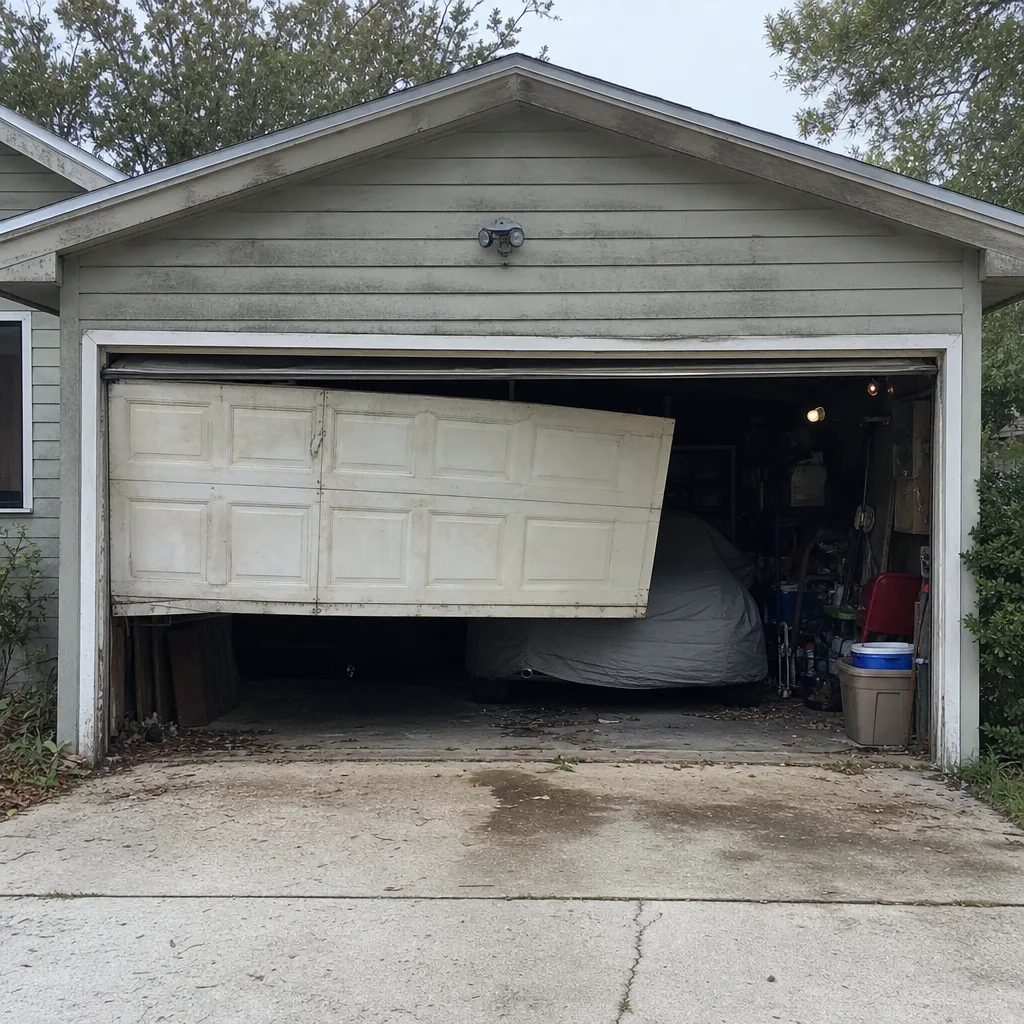 Before
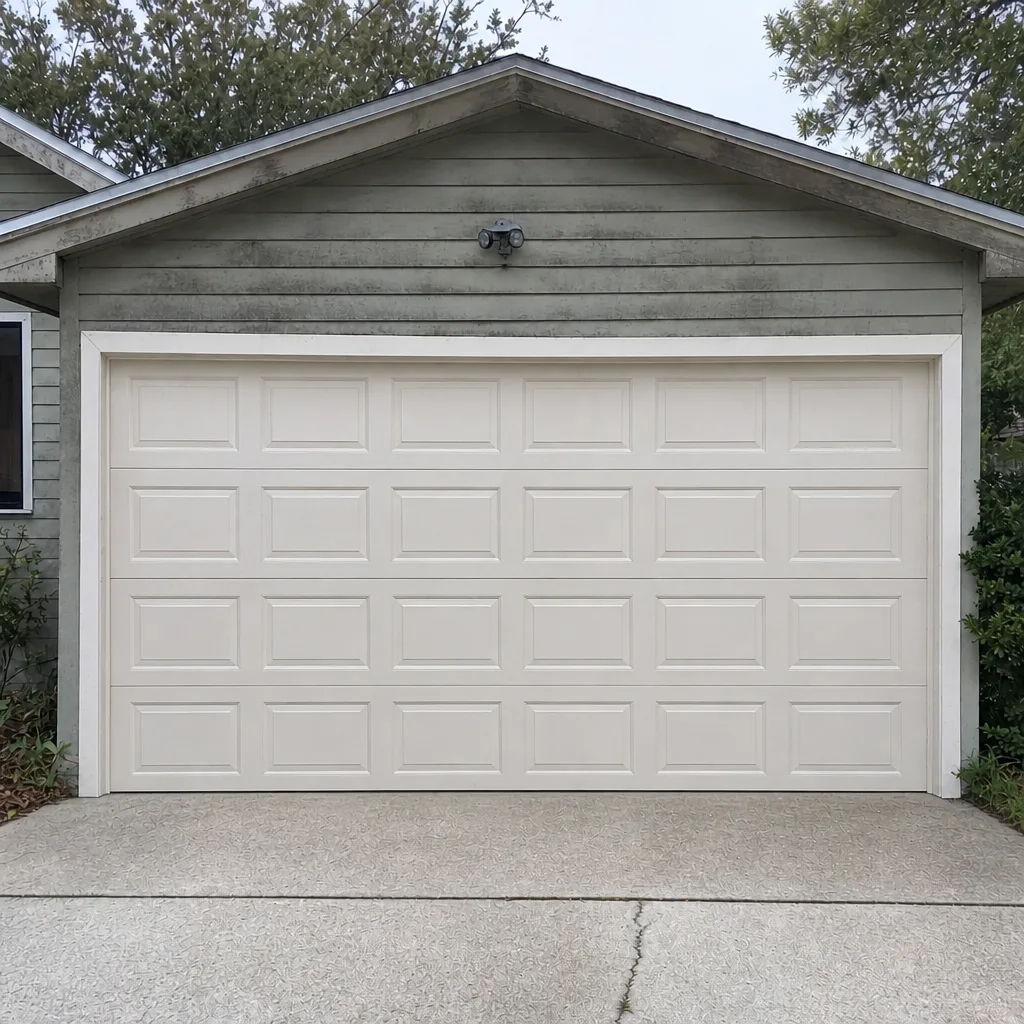 After
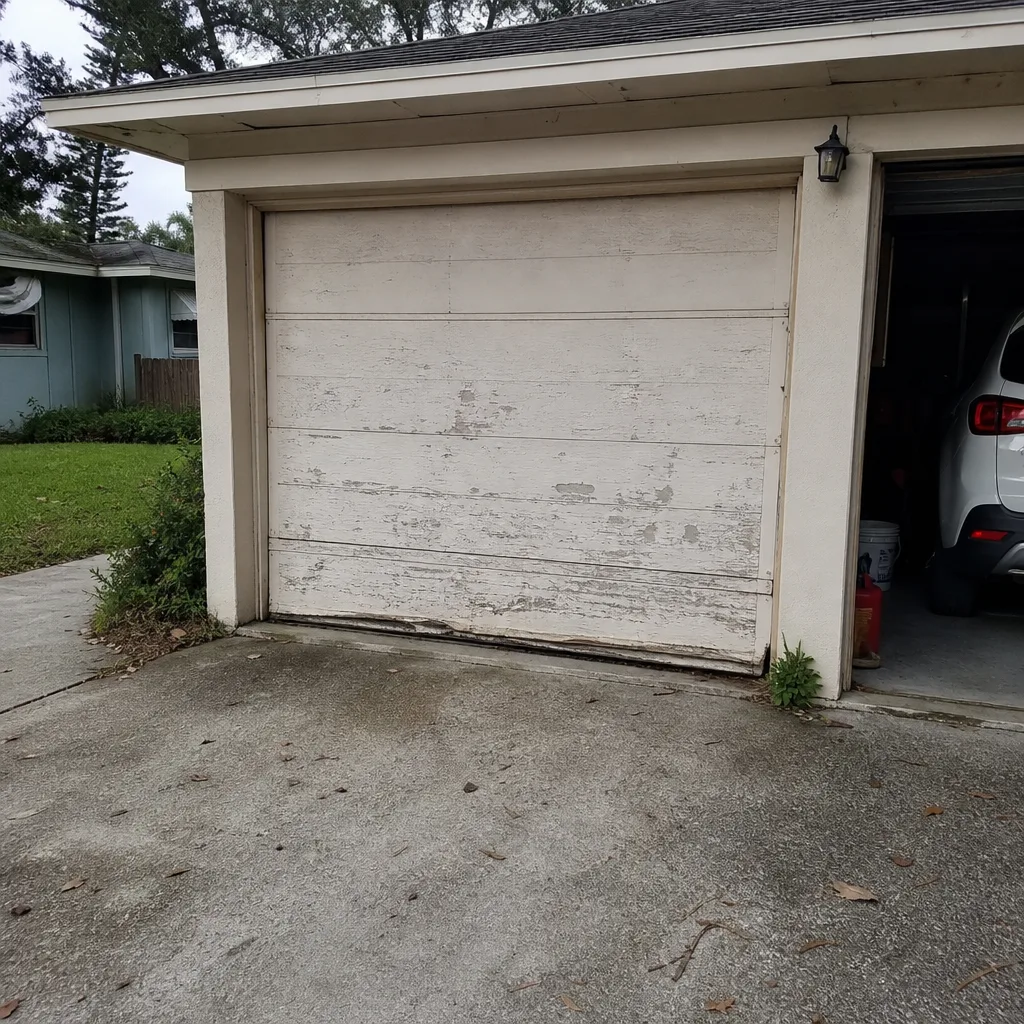 Before
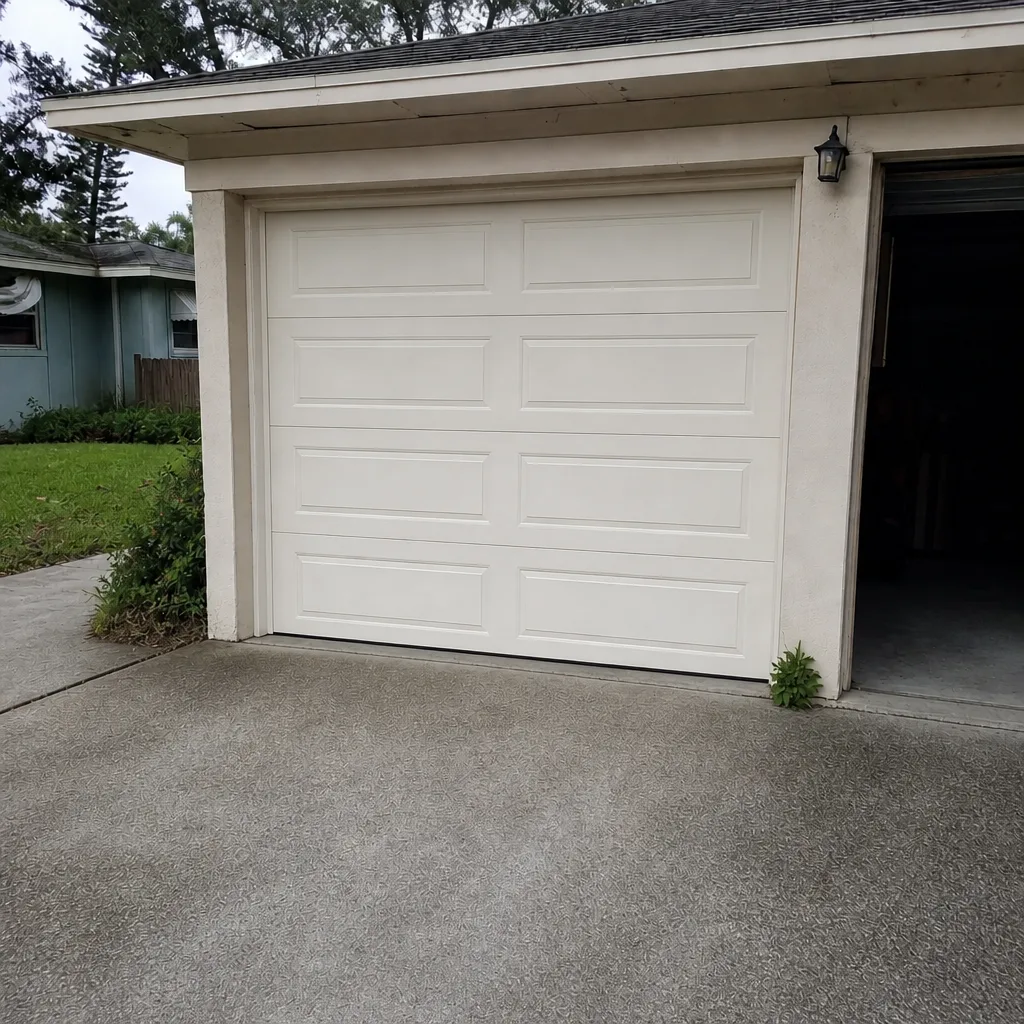 After
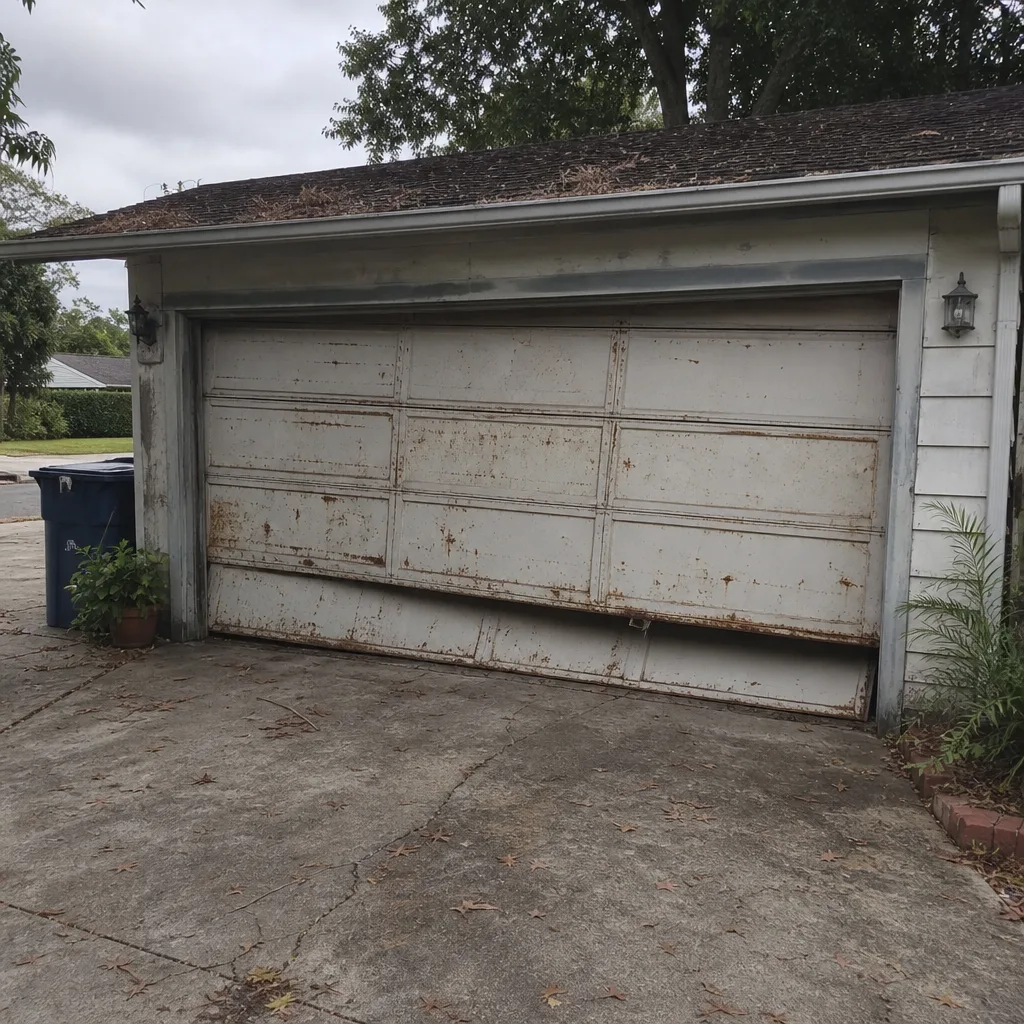 Before
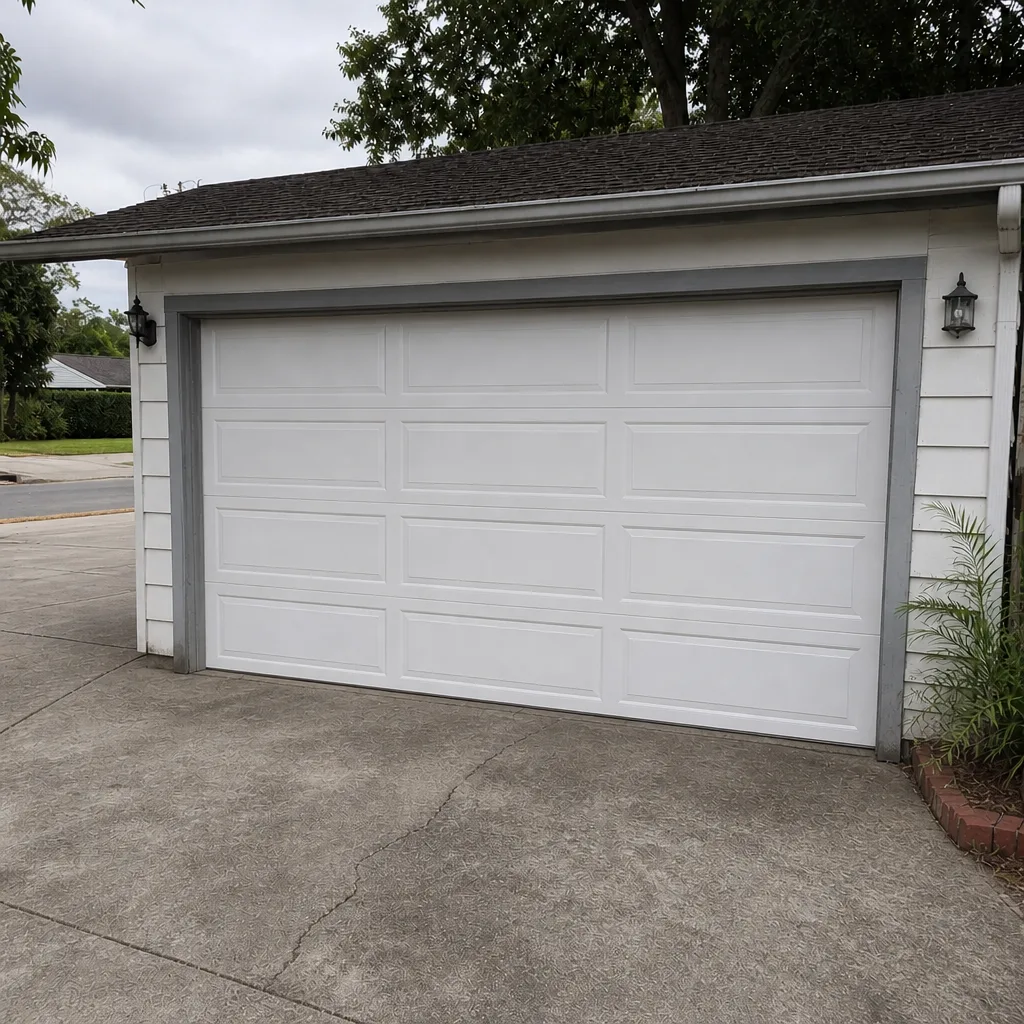 After
When to Call a Professional
Call a professional garage door contractor when: the door won’t open or won’t close at all; you see a broken spring or a visibly sagging door; the door comes off its tracks; the opener runs but the door doesn’t move; the door reverses on closing for no obvious reason; a cable is frayed, kinked, or loose; or the door is making new noises that weren’t there before. Spring and cable work is genuinely dangerous, and doors weighing hundreds of pounds falling on a person or vehicle is not a hypothetical. A trained professional is the right call for anything involving the spring, the cable, the track, or the opener’s electrical components. Garage Door Repair Old Northeast offers free estimates in Old Northeast – call (877) 492-1990.
Frequently Asked Questions
Most garage door repairs in Old Northeast fall into a range depending on the component: small fixes like rollers, hinges, and adjustments are typically on the low end, while spring replacement, cable replacement, and opener repair sit higher. The written estimate is the price, and it’s free to get one. Call (877) 492-1990 for an exact quote – estimates are free.
For emergency calls like a door that won’t close or is stuck off track, we prioritize scheduling with fast dispatch from 7am to 7pm. Emergency service is a core part of what we do, not an afterthought. Call (877) 492-1990 and we’ll book the earliest available slot.
No. The written quote you agree to before work starts is the price. If the technician finds something behind the door that wasn’t visible on the initial look, we stop, tell you, and get your approval before any additional work begins. You won’t get a surprise invoice after the job.
The local professionals we connect you with are licensed and insured as Florida requires, and you can verify their credentials through the state’s DBPR database before any work begins. Ask for the license number in writing and confirm it yourself – we encourage it. Our own technicians have up to 9 years of experience.
Yes – we’re factory-familiar with eight of the industry’s most widely installed brands, including Clopay, Amarr, Wayne Dalton, and Craftsman, along with LiftMaster, Chamberlain, Genie, and Raynor. We work on the brand you have, not just the brands we’d prefer to sell. Call (877) 492-1990 with your model details if you’d like to confirm before booking.
Installation is a measured, ordered, and scheduled job. It starts with a free on-site measure, then a written quote, then scheduling once the door is ordered. The install itself is usually a day, but the lead time between measure and install depends on the door being specified. You’ll have a written price and a schedule before anything is ordered.
The Bottom Line
Hiring a garage door contractor in Old Northeast comes down to a few things: verify the license and insurance before anyone touches the door; ask questions that only a specialist can answer – especially about spring cycle ratings and door balance; demand a written itemized estimate and treat it as the price. Specialization shows up in the small details, and those details are what keep your door opening for years instead of months. If the contractor’s business card lists six trades, keep looking. If you’d like a free estimate from a company where garage doors are all we do, call (877) 492-1990. You can also start with our main Garage Door Repair Old Northeast page for the full range of services.
Written by the team at Garage Door Repair Old Northeast.